The Fayoum Ecotravel Guide



A Sustainable Tourism Development Initiative
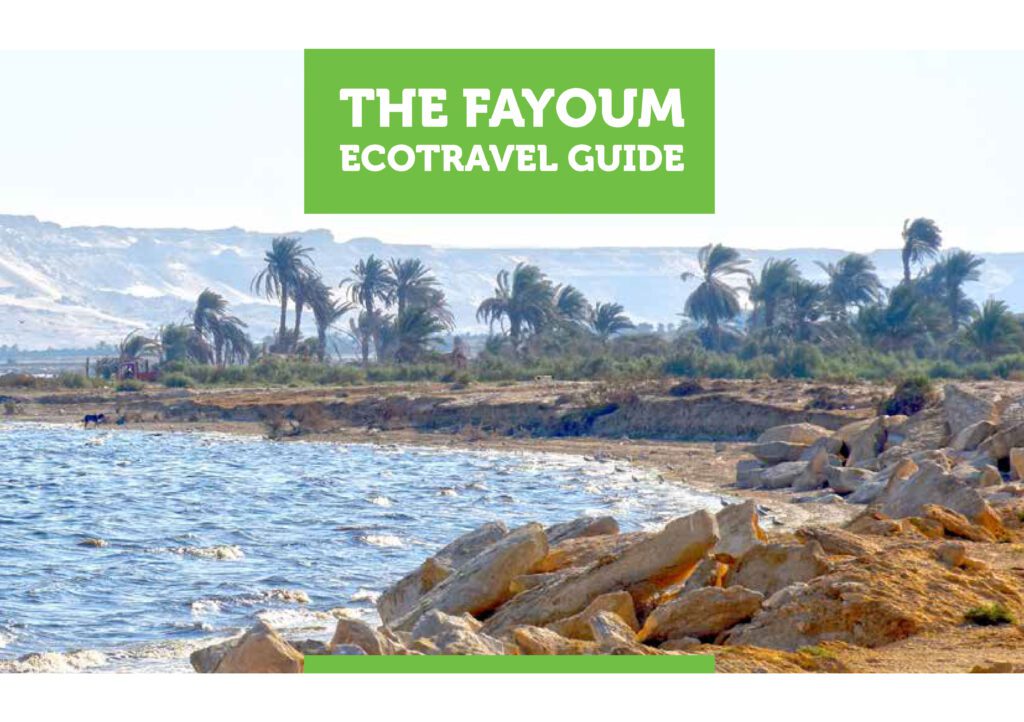
Only 90km away from Egypt’s capital, Cairo, Fayoum has become a popular weekend destination for local and foreign travelers. Beyond its long history spanning the Pharaonic, Greco-Roman, Coptic and Islamic eras still visible by a wealth of archaeological testimonies, Fayoum is also famous for its natural beauty with its lakes, palm trees, pristine desert areas, fossil remains, bird sanctuaries, and rural quietude. Fayoum has much to offer to visitors who like to explore one of Egypt’s richest rural areas, its surrounding desert and lakeshores of Wadi El Rayan and Lake Qarun.
Building Rural Assets with Valuable Opportunities (2013-2015)
Building Rural Assets with Valuable Opportunities (BRAVO) which is financed by the Italian-Egyptian Debt for Development Swap aims at tackling the challenges hindering the full development of Fayoum Governorate in its tourism sector. Sustainable tourism itinerary maps have been designed for the Fayoum villages Qarun, Tunis and Nazla to connect their natural, archaeological, cultural and rural heritage to an integrated and harmonized travel route. This newly created travel itinerary is linked to the archaeological site of Medinet Madi, one of Fayoum’s most frequently visited cultural visitation sites, to expand the official Fayoum tourism route with additional culture and nature based activities.
The BRAVO travel route offers a number of flexible itineraries that allow visitors to discover the cultural, natural and rural assets of Qarun, Tunis and Nazla and give detailed directions on how to reach them. The BRAVO trips promote sustainable tourism as a viable alternative to mass tourism and use professional local services to contribute to improving the livelihood of the local communities and enriching the experience and pleasure of travelers.
Project: Building Rural Assets with Valuable Opportunities (BRAVO)Ecotour Packages
Fayoum Ecotravel Guide has designed for you some optional ecotravel packages including various schedules of visits of 1- to 3- Days to the sites of Qarun, Tunis, Nazla and Medinet Madi. The ecotravel packages hugely facilitate your trip preparations and guarantee you get the most out of your visits. Local service providers listed under contacts will be more than happy to offer their services and coordinate your trips. Based on your wishes, they can organize lunch, sportive activities and all kinds of other services for you. Check out the maps to reach the sites easily.
Tourist Tours
Fayoum Ecotravel Guide provides 7 maps for Qarun, Tunis, Nazla and Medinet Madi. The maps help travelers to easily find their way to the cultural and natural attractions of these sites and give information on how to access them from different directions.
Destinations
NAZLA
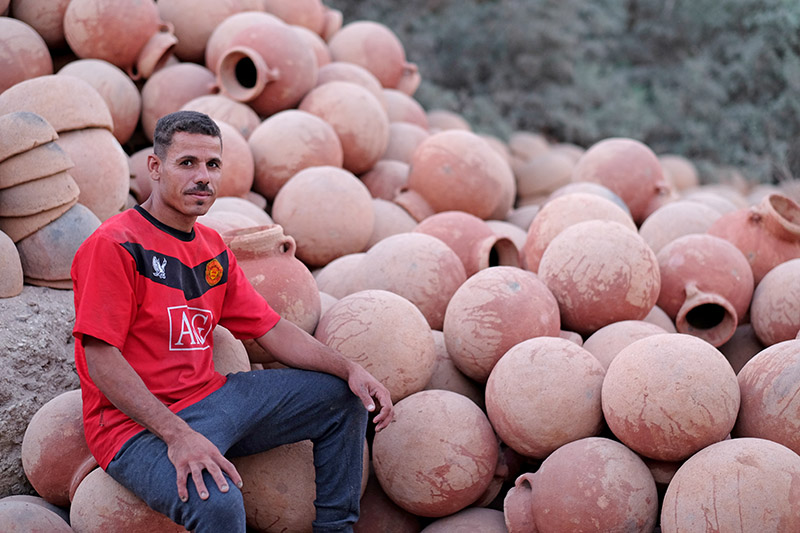
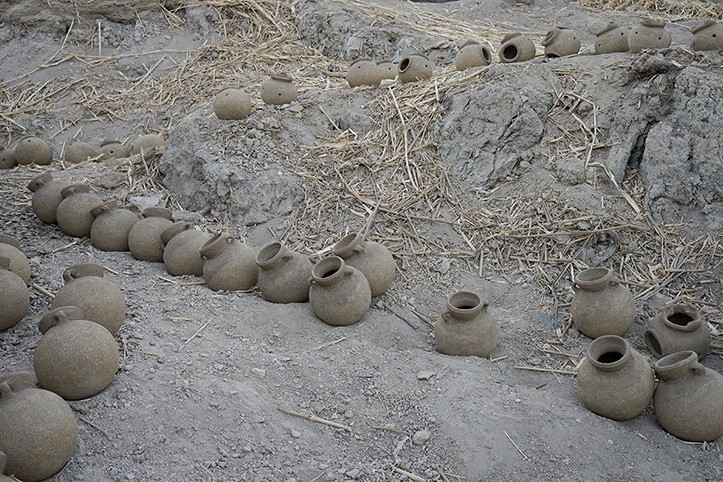
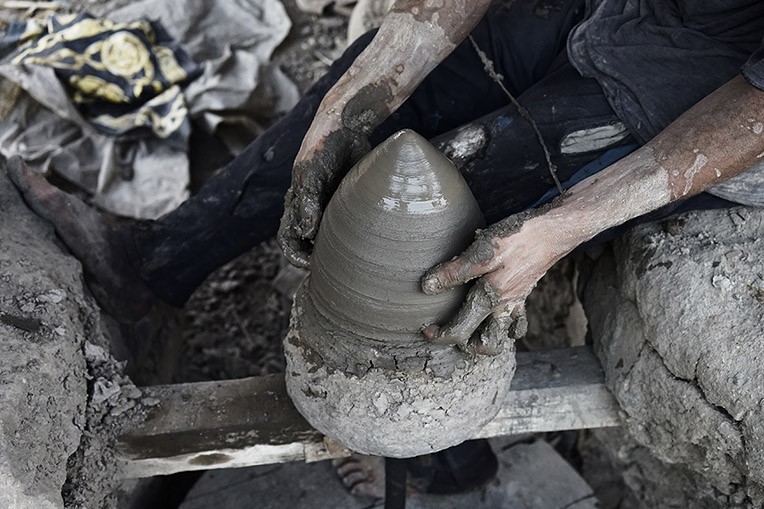
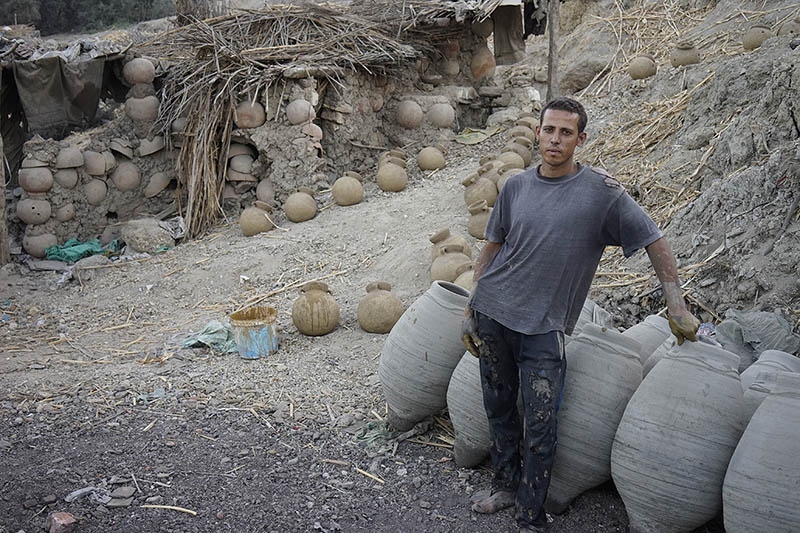
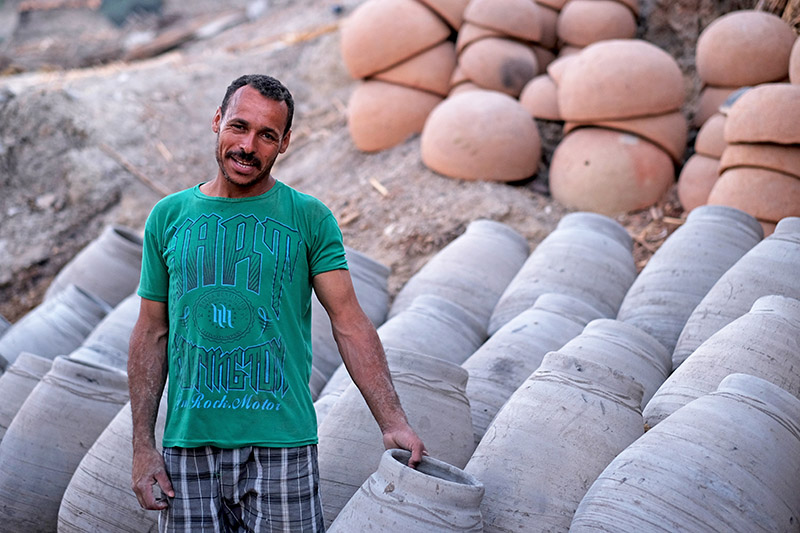
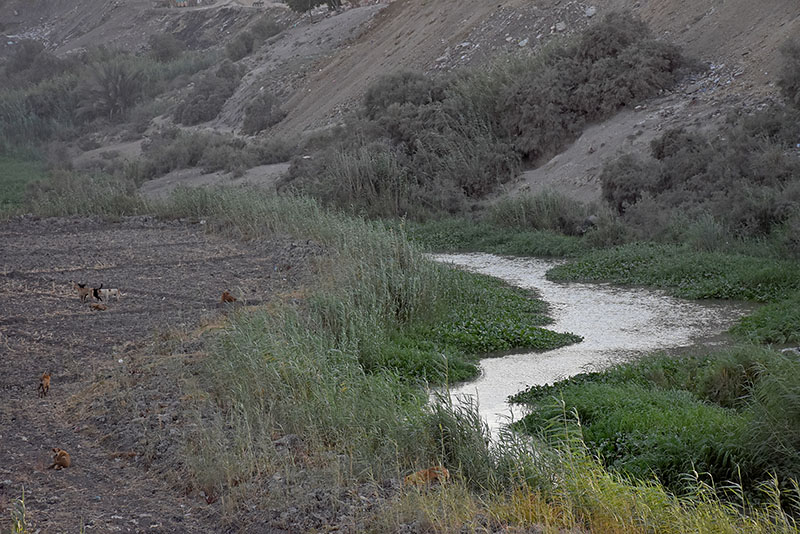
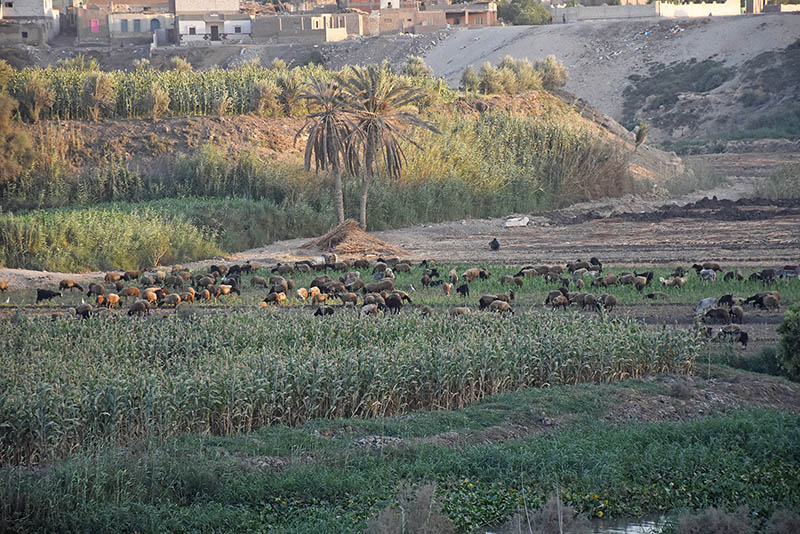
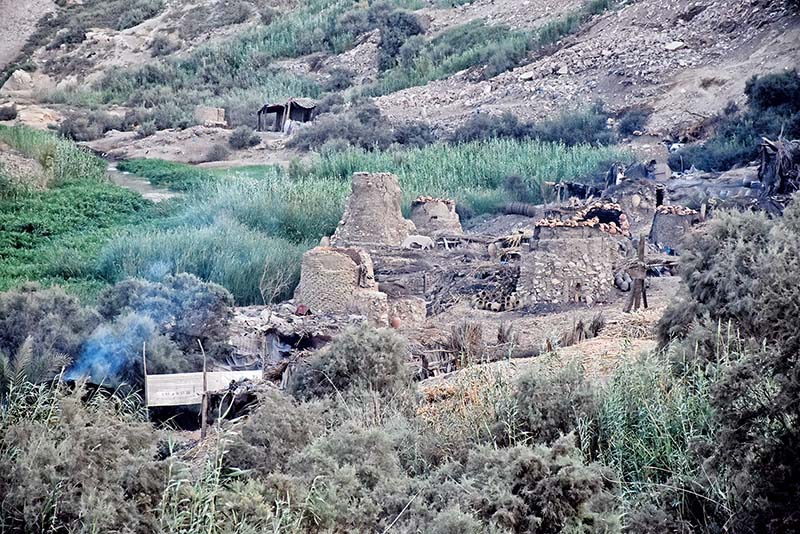
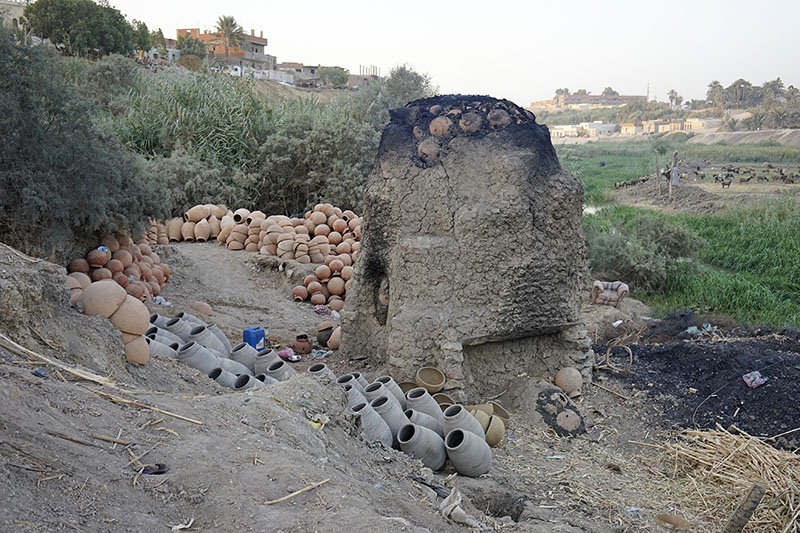
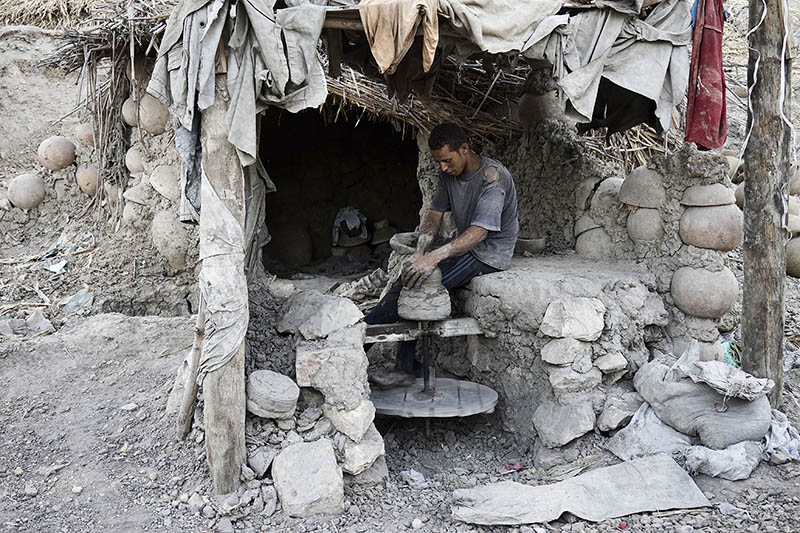
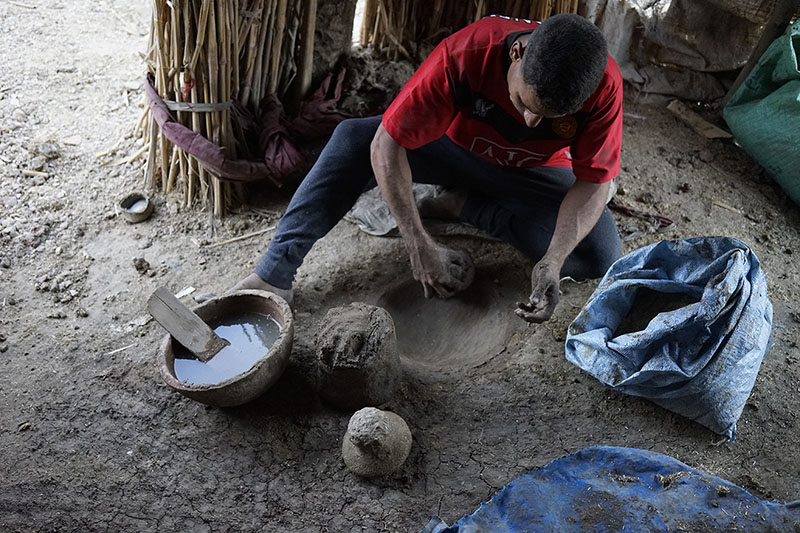
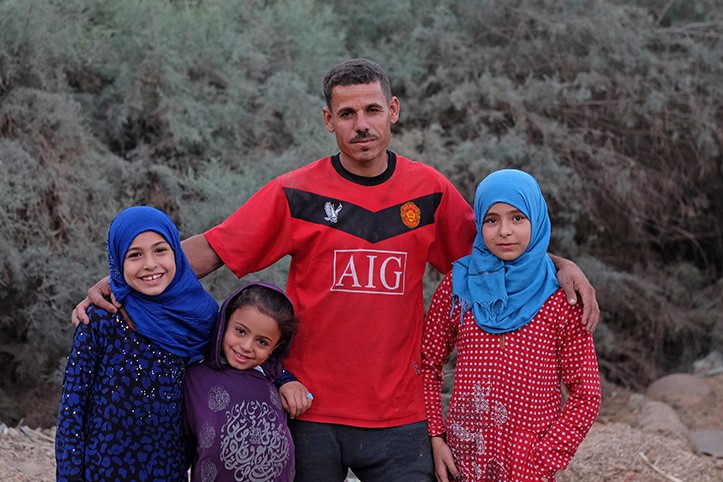
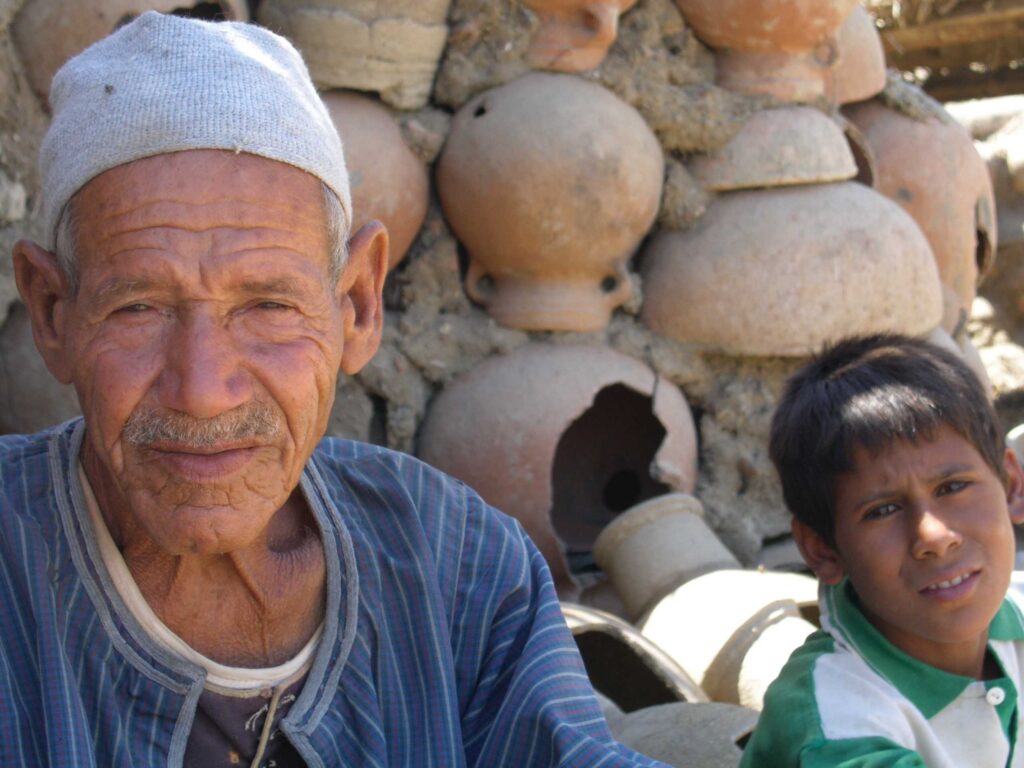
Nazla is situated about 35km northwest of Fayoum City and sits atop a picturesque valley. Cascading down the slopes towards the valley bottom are the famous open-air pottery workshops of Nazla. Their pottery making is distinguished by their remarkable and unique methods that follow the traditional techniques of the ancient Egyptian potters. Nazla products are plain, utilitarian pottery goods produced for the local market. With the appearance of cheaply priced goods, the local demand for Nazla pottery has become low. The number of workshops has dramatically decreased from more than 100 to only 12 workshops still in operation. The last remaining potters of Nazla are struggling to keep themselves and their ancient art alive.
MEDINET MADI
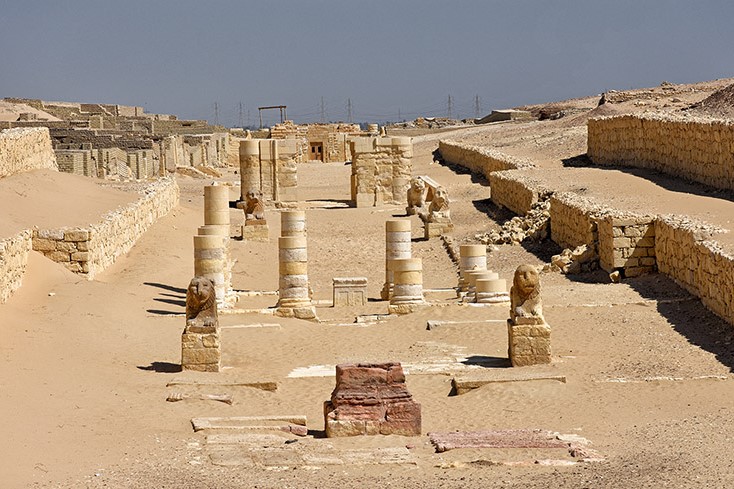
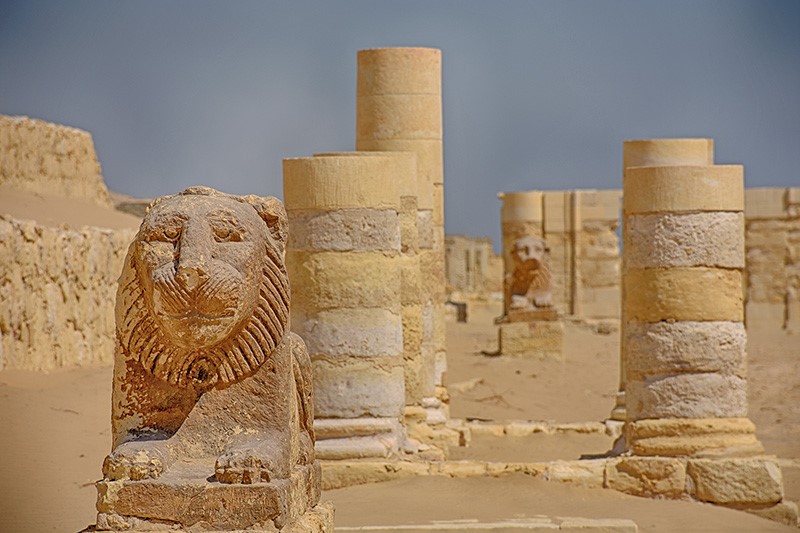
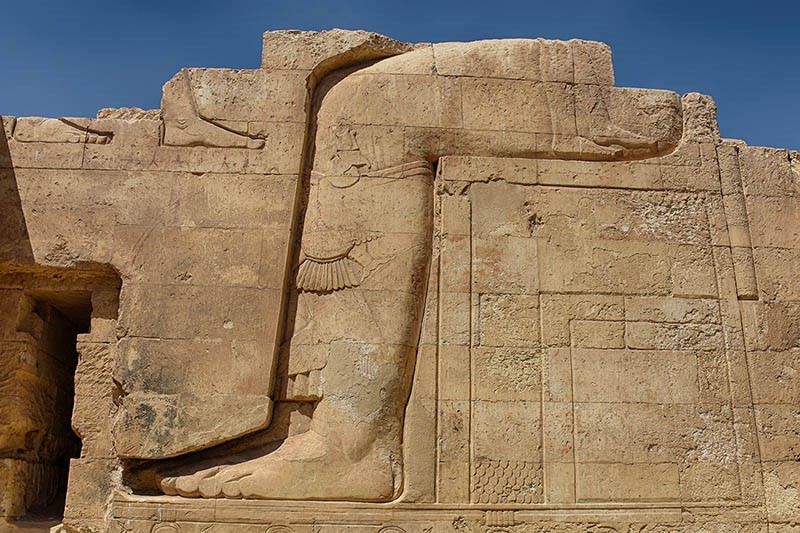
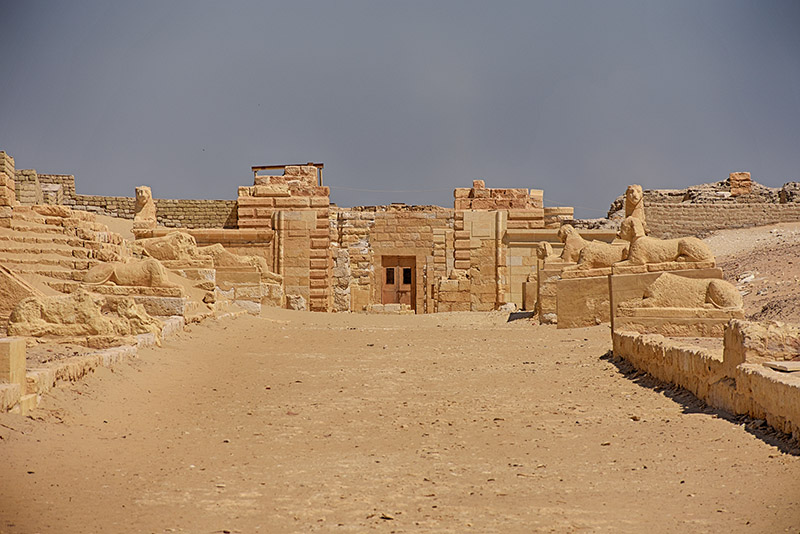
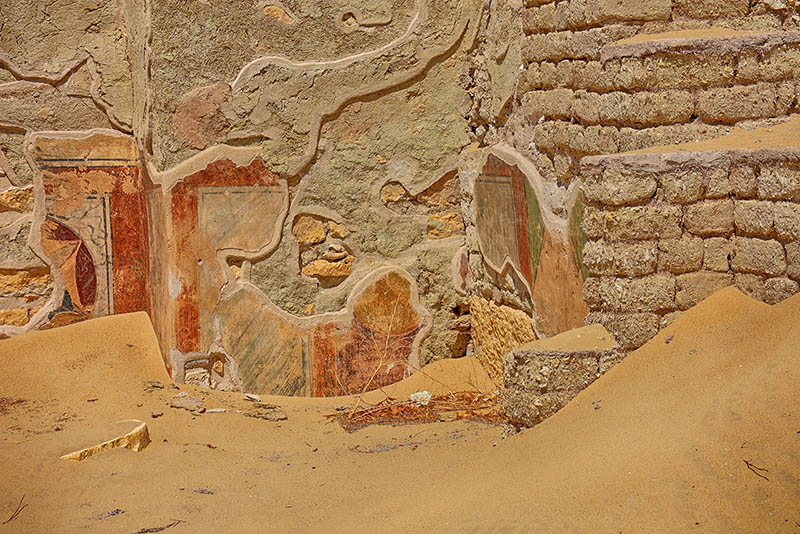
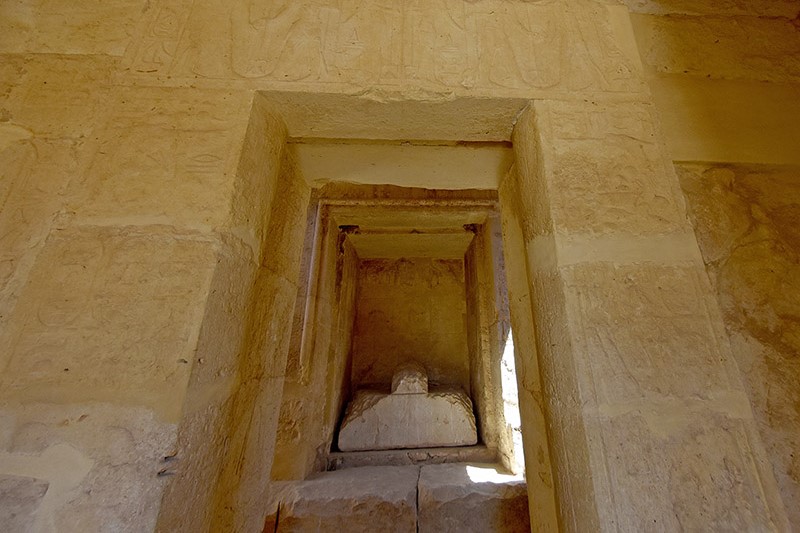
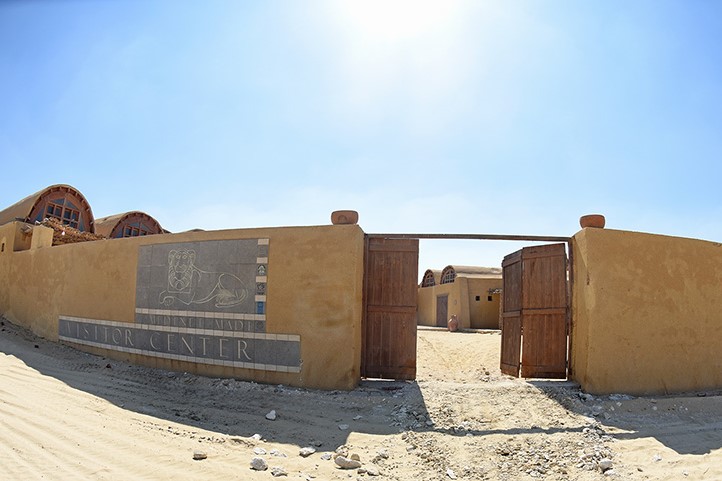
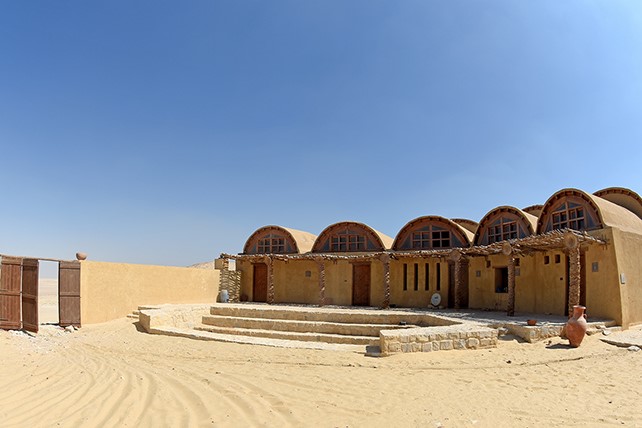
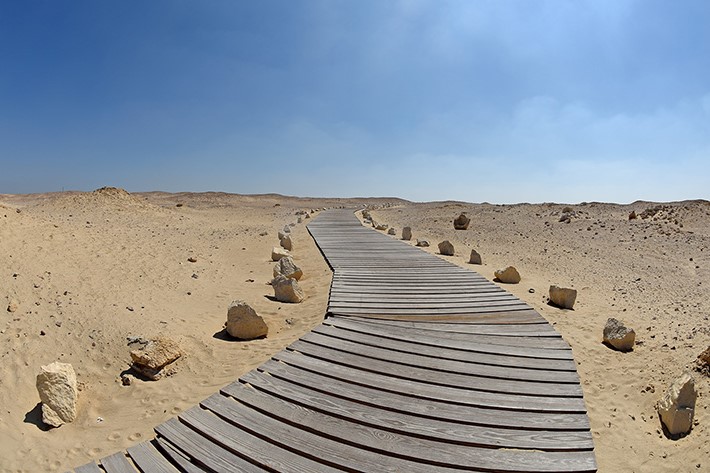
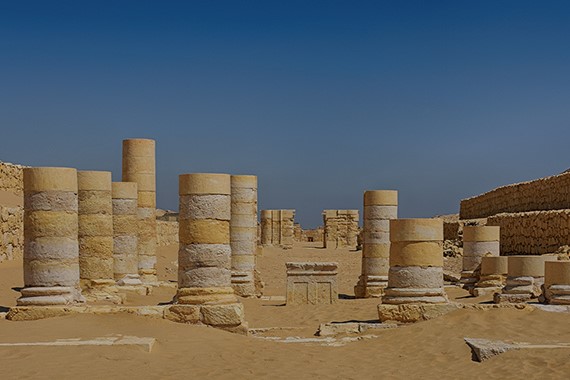
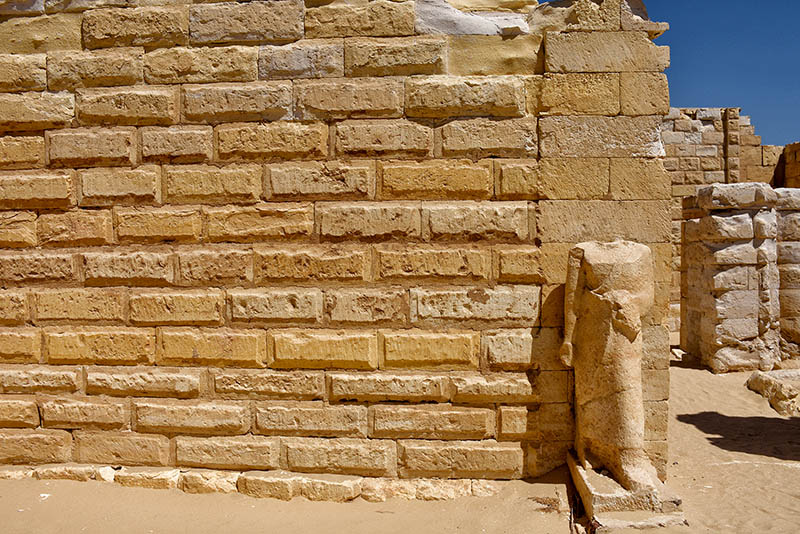
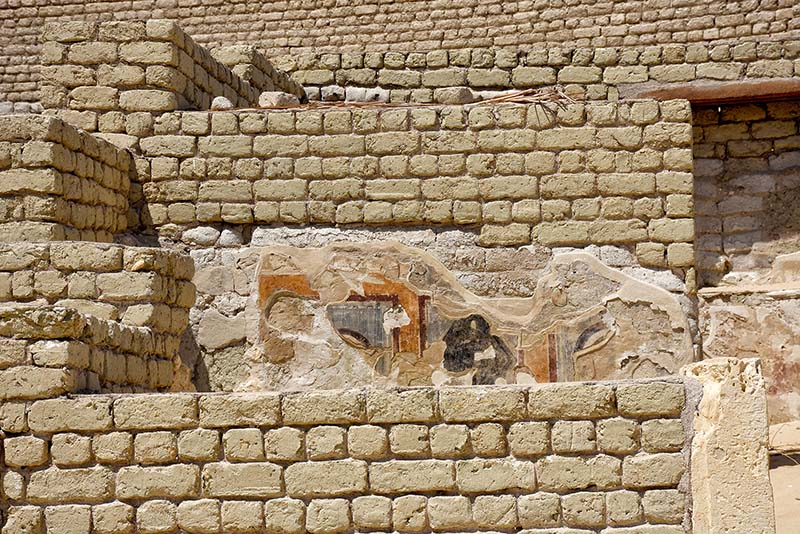
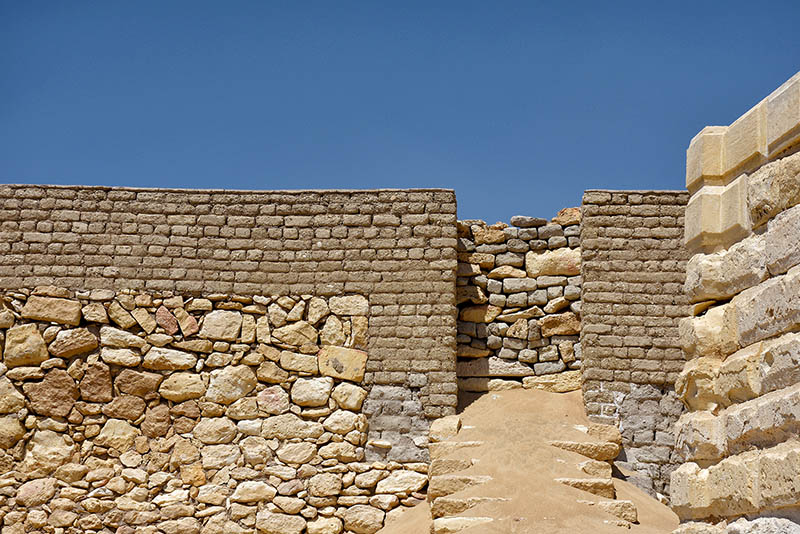
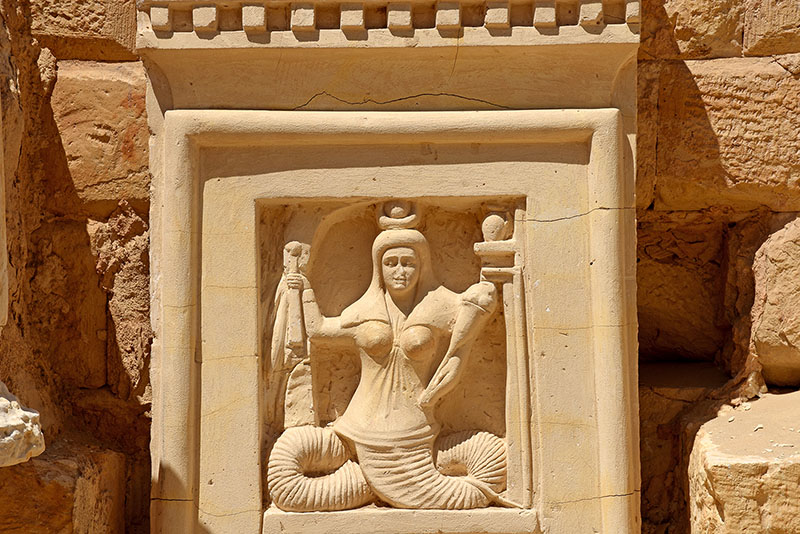
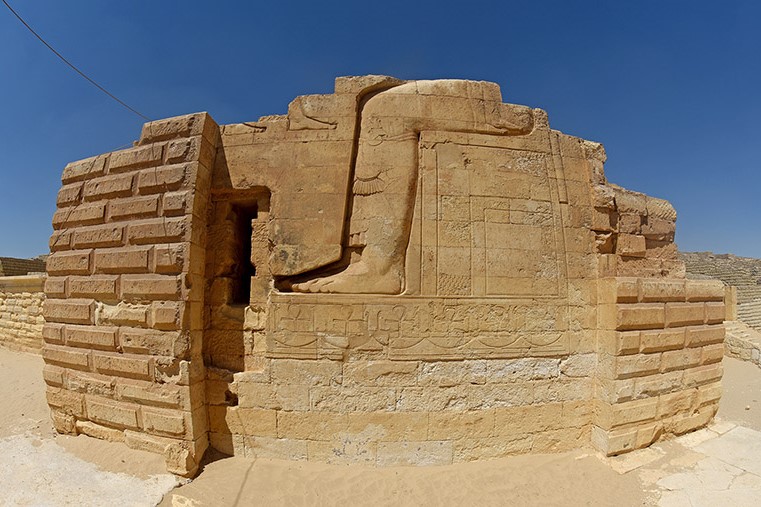
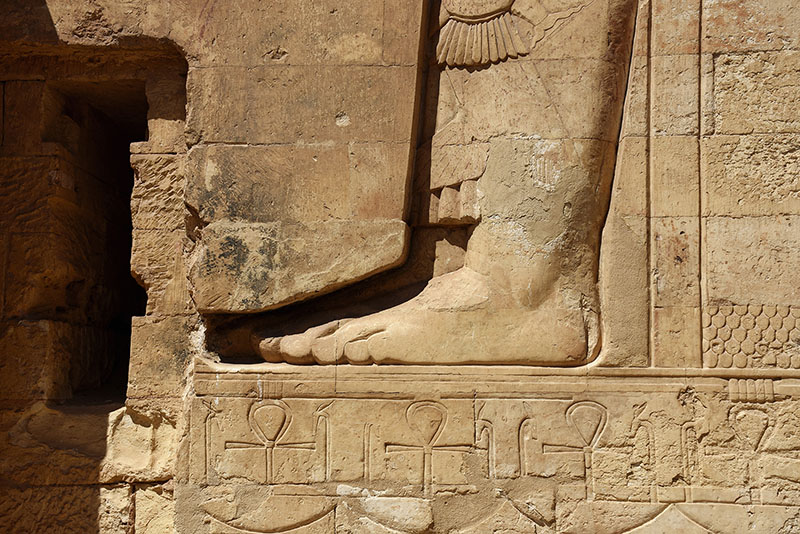
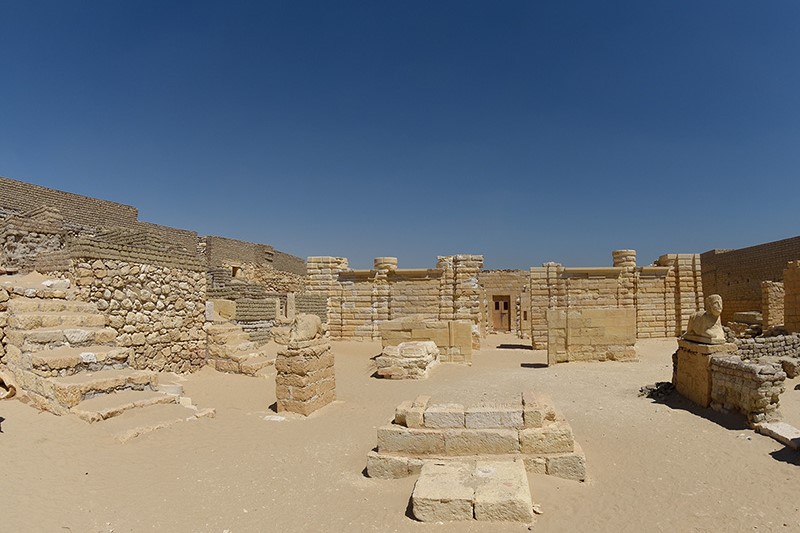
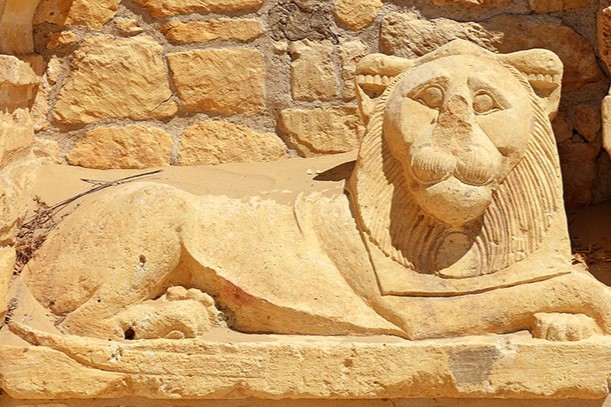
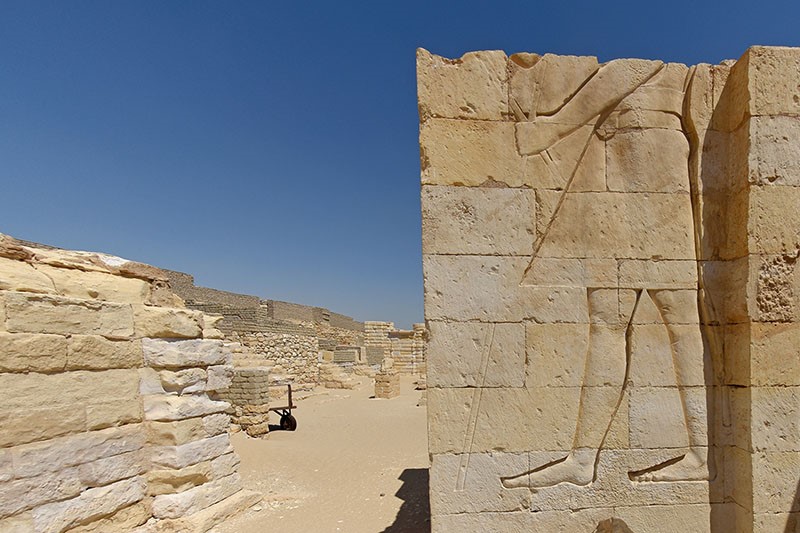
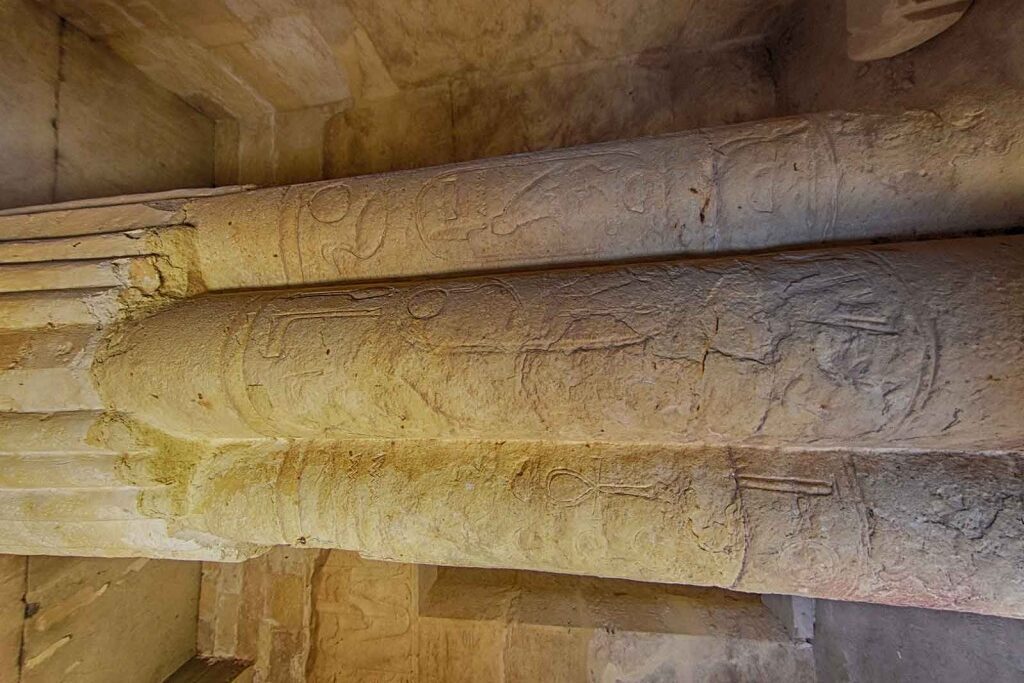
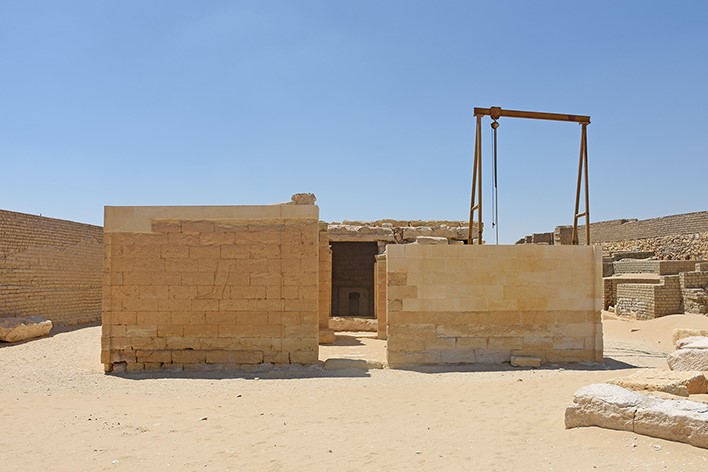
The history of the archaeological park of Medinet Madi (“Ancient City”) started in 2000 BC when the Pharaohs began to cultivate the Fayoum region. Its discovery was one of the greatest in Egypt in the 20th century. Medinet Madi is also known as the Luxor of Fayoum and closely connected to the protected area of Wadi El Rayyan. It is the only temple of the Middle Kingdom with inscriptions. The park and its visitor centre offer a unique visitor experience.

QARUN
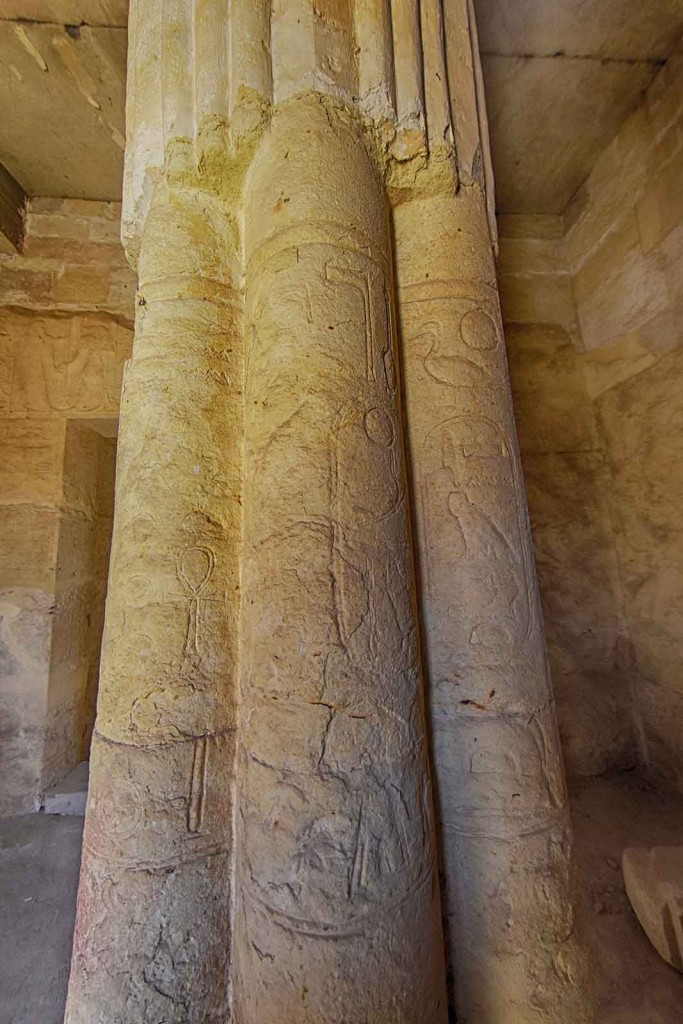
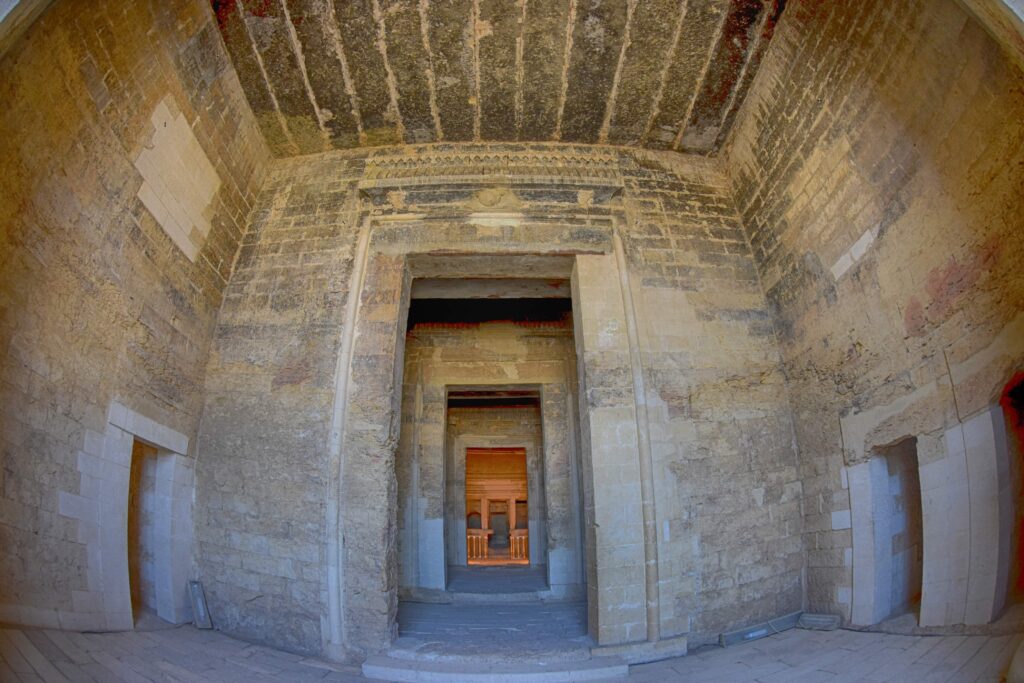
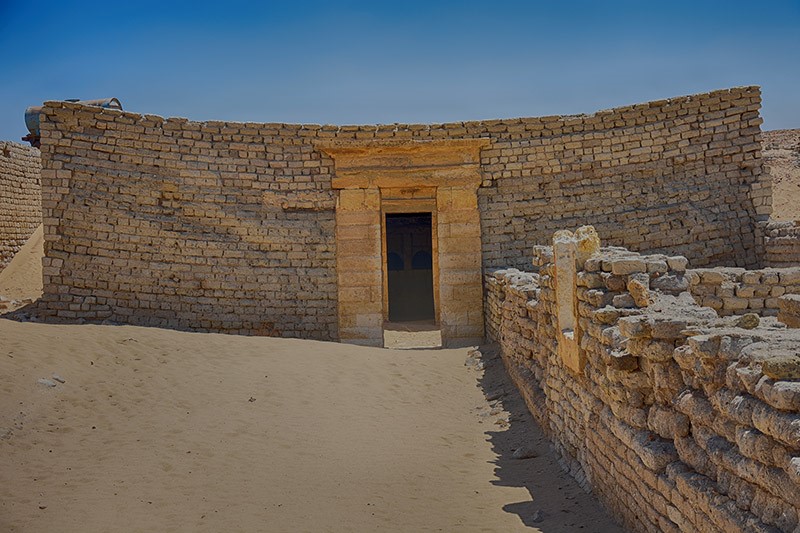
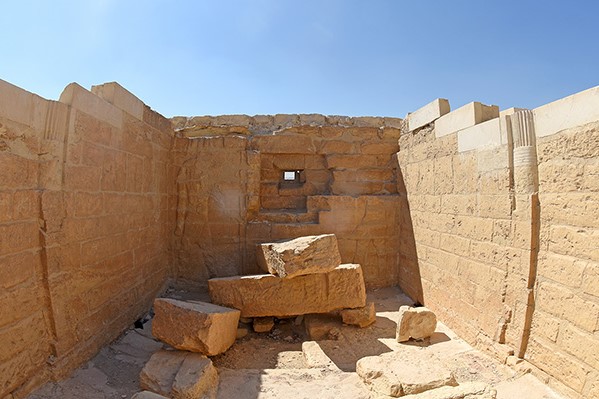
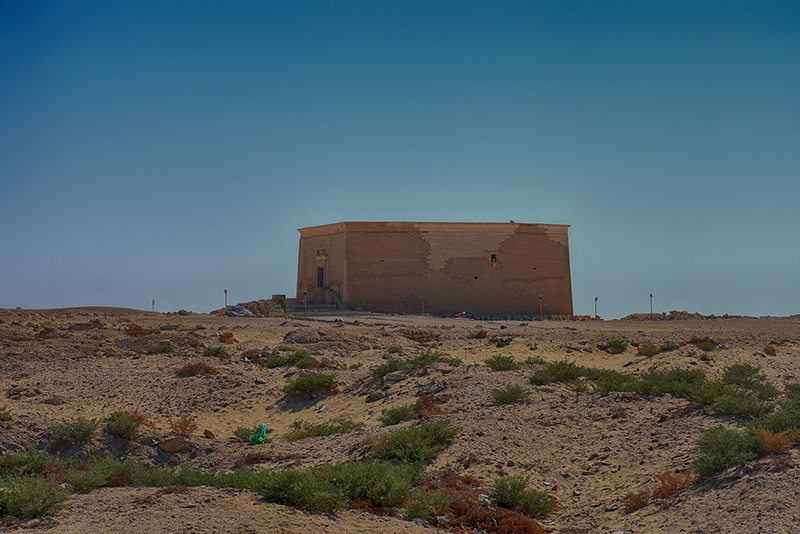
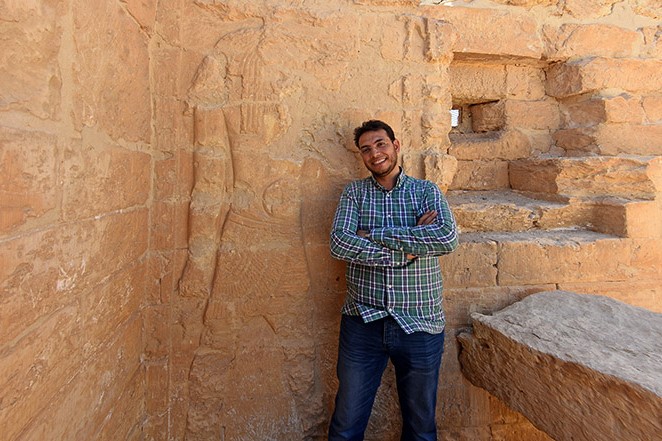
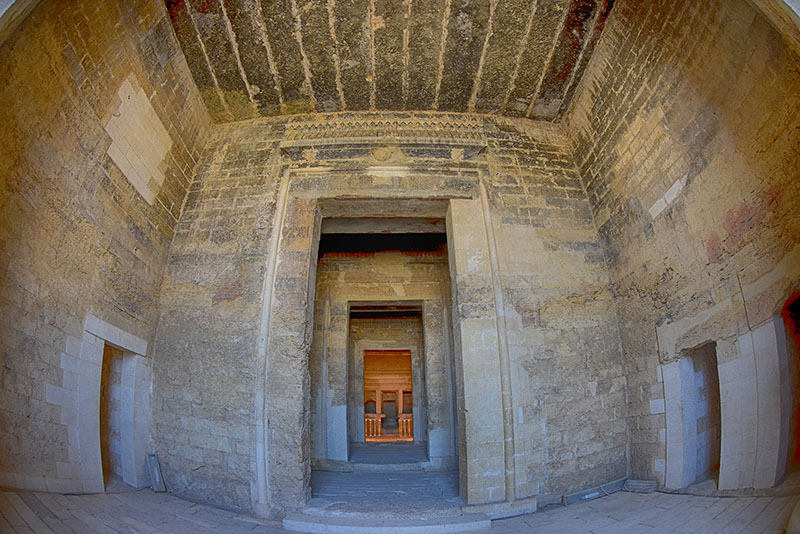
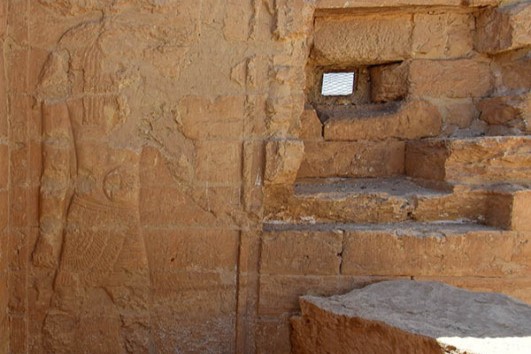
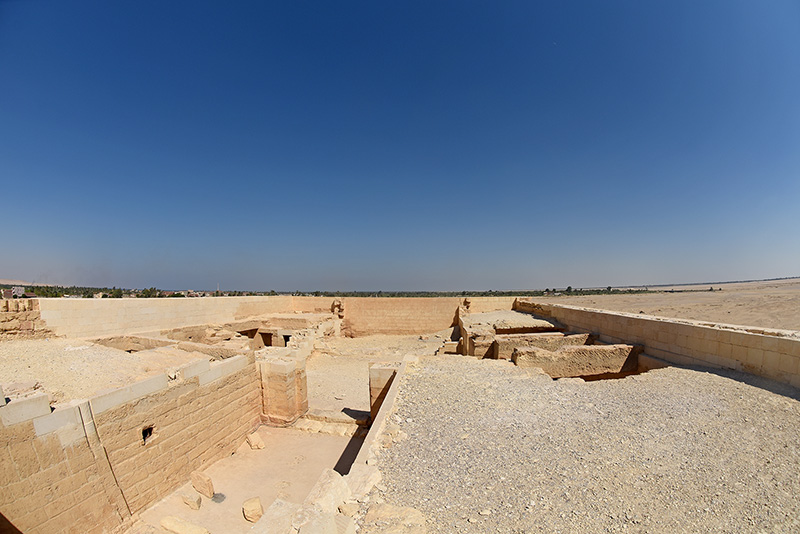
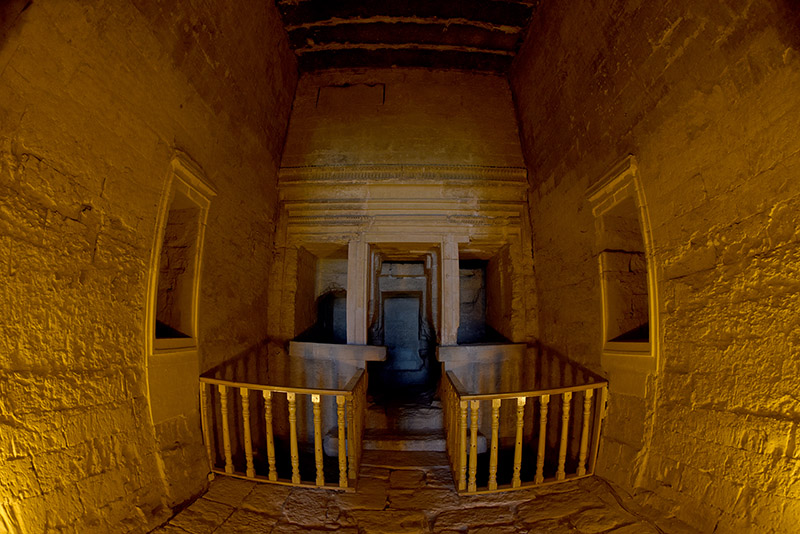
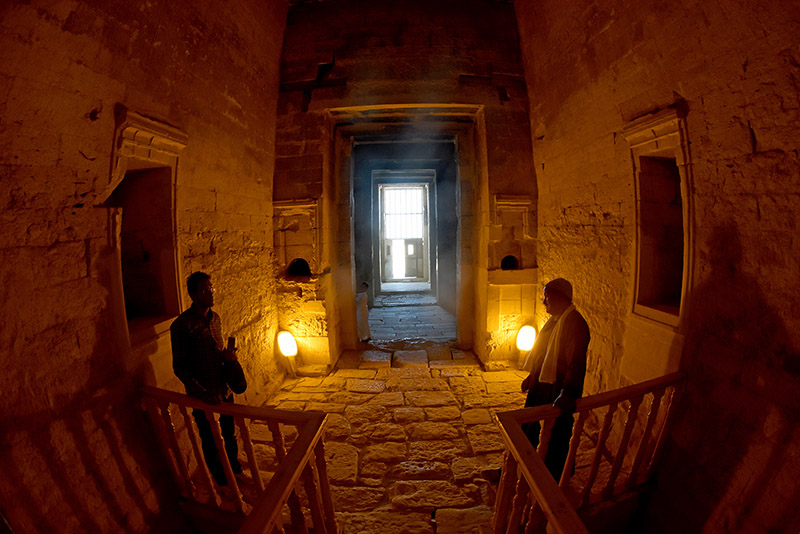
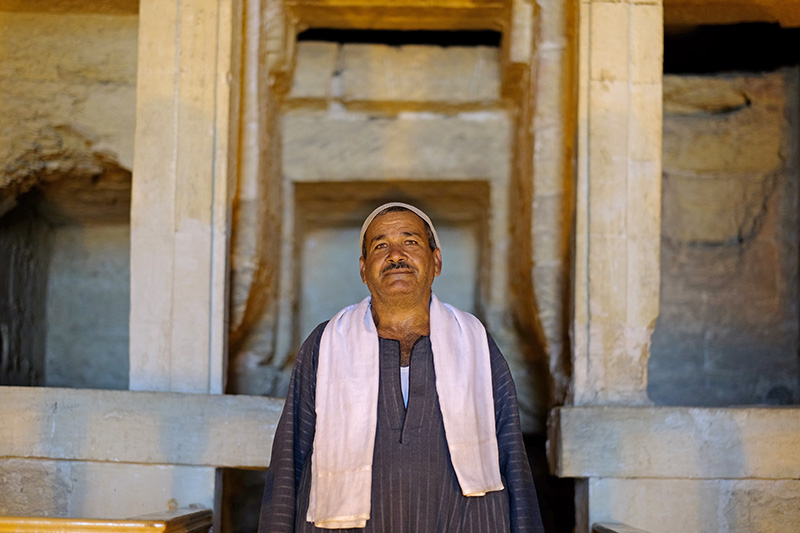
Qarun offers an archaeological highlight situated at the periphery of the village: the Greco-Roman Temple Qasr Qarun lying amidst the ancient town of Dionysias. Qasr Qarun is one of the most impressive ancient temples in Fayoum dedicated to Sobek, the principle Pharaonic god of the area. The temple is a marvelous and well-preserved piece of architecture with a mace of halls, staircases, corridors and hidden crypts. From the temple’s intact roof, visitors enjoy an overall view of the impressive dimensions of the entire archeological site and its surroundings. Every year, Qarun celebrates “The Qasr Qarun Sun Festival”, on December 21st, when the sunlight hits the temple’s innermost sanctuary. This spectacular event is unique to Qasr Qarun and Abu Simbel.
GRAPE ROAD
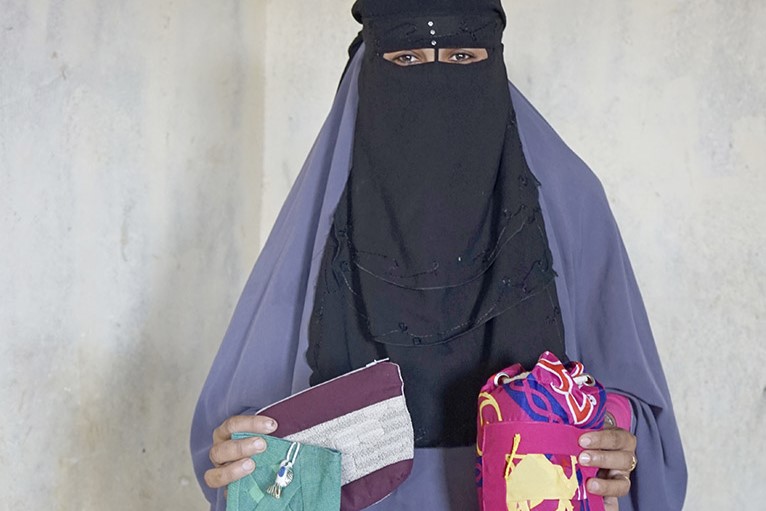
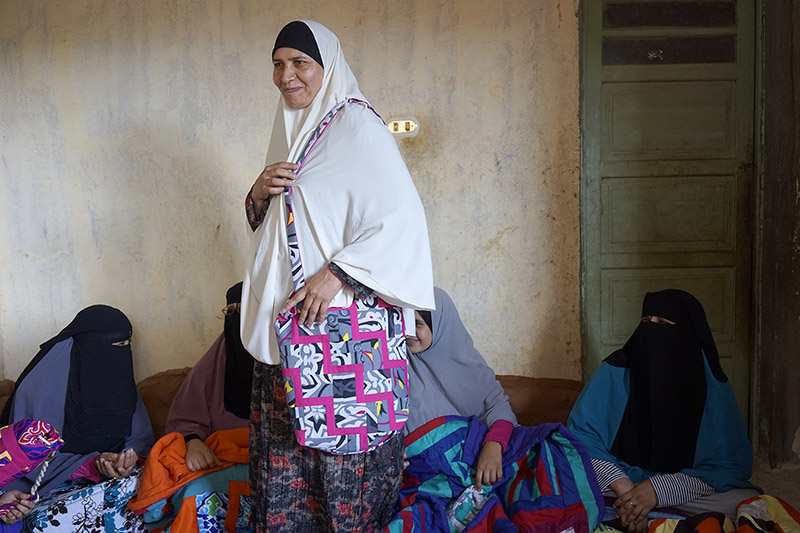
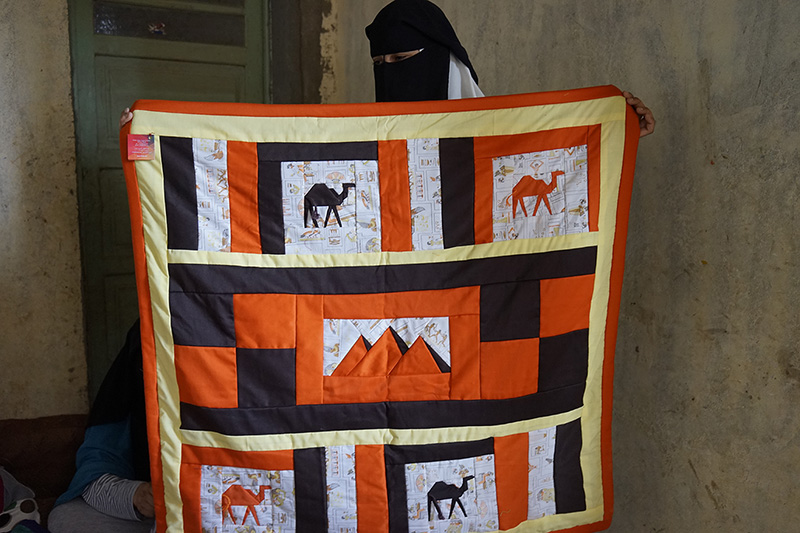
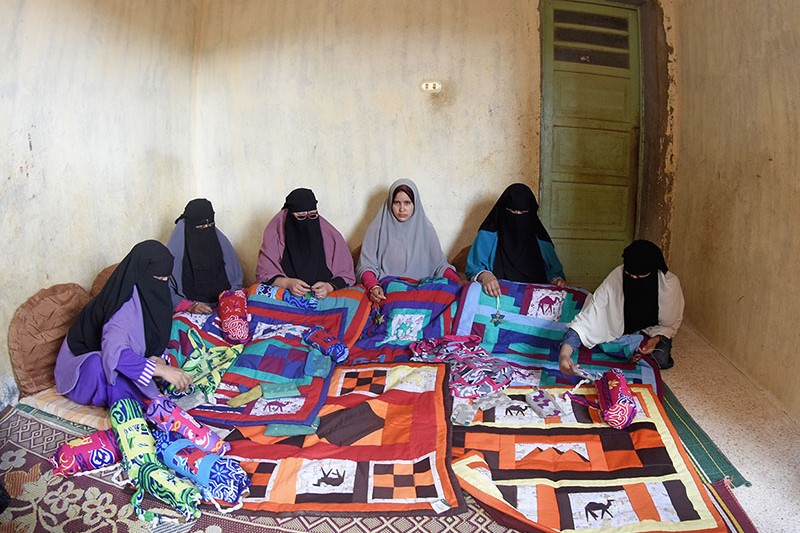
KHALTA HOME OF TEXTILES
QASR QARUN
TUNIS
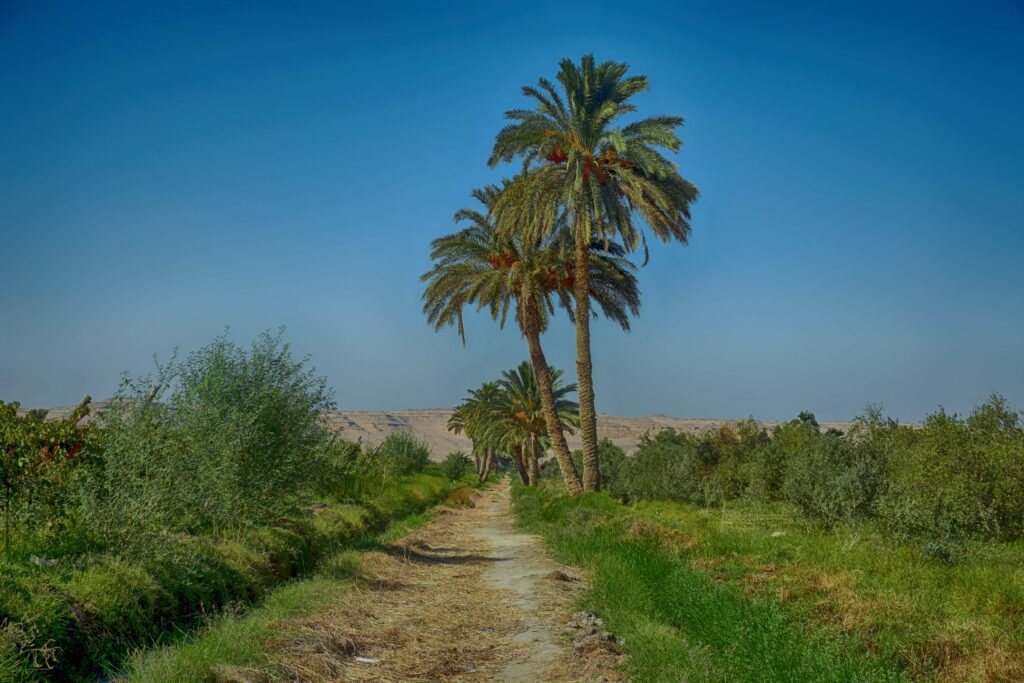
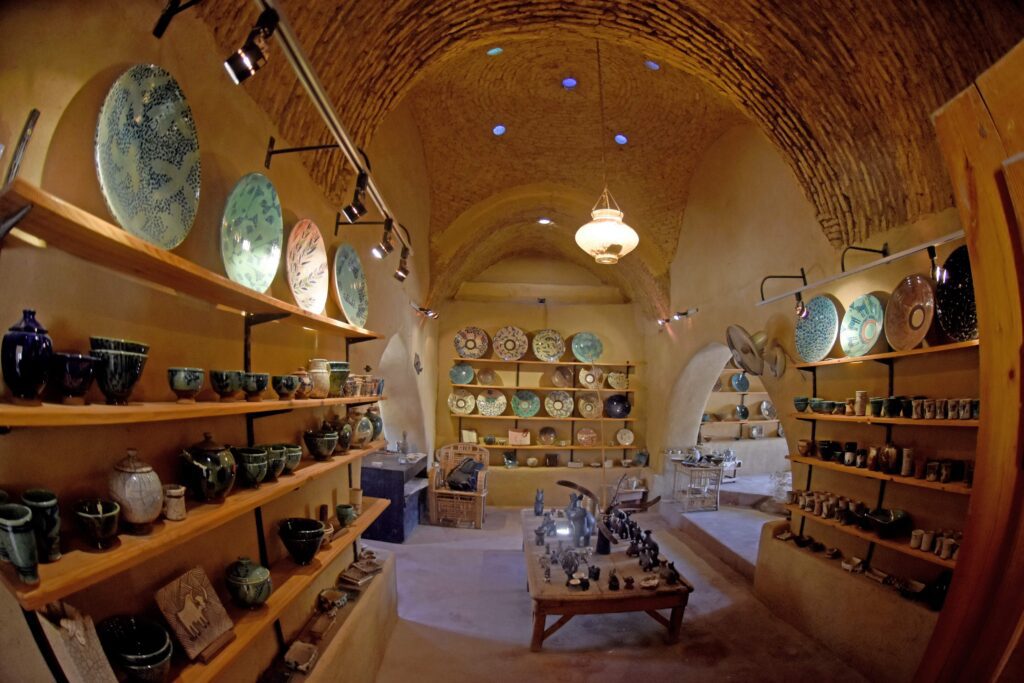
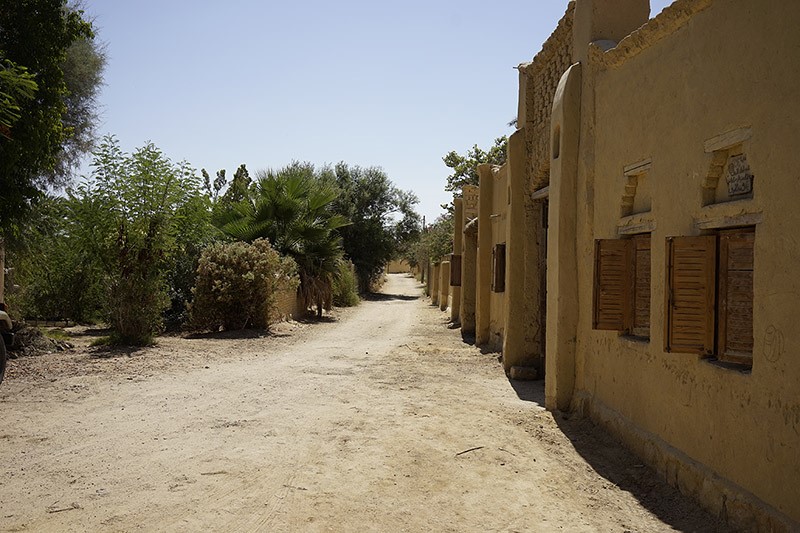
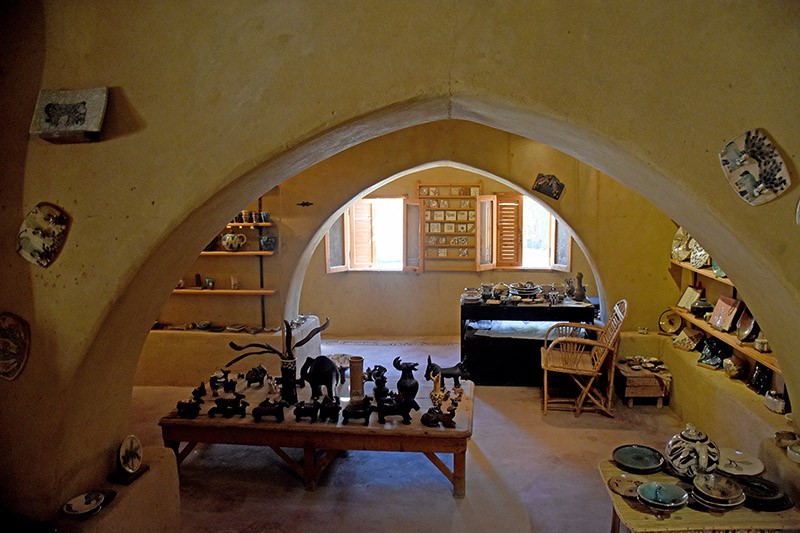
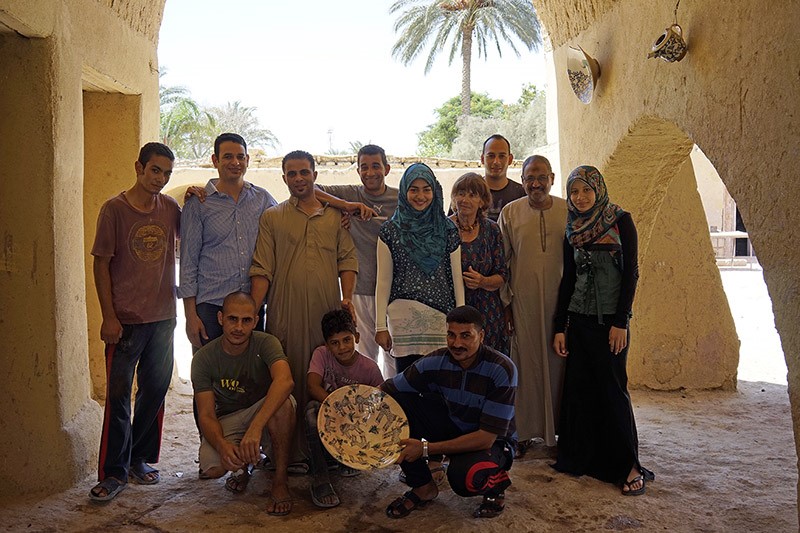
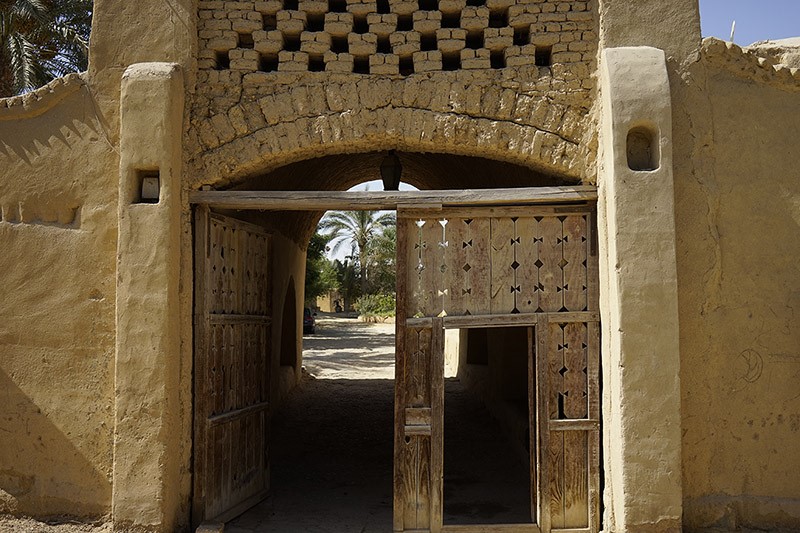
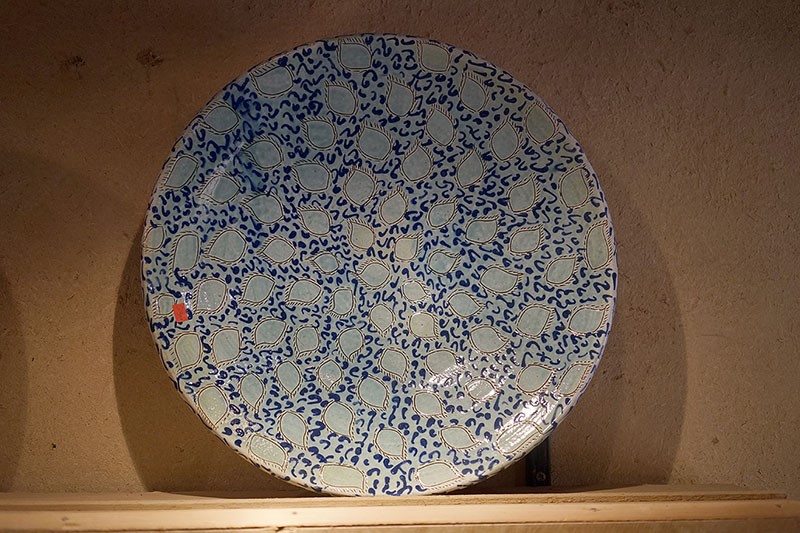
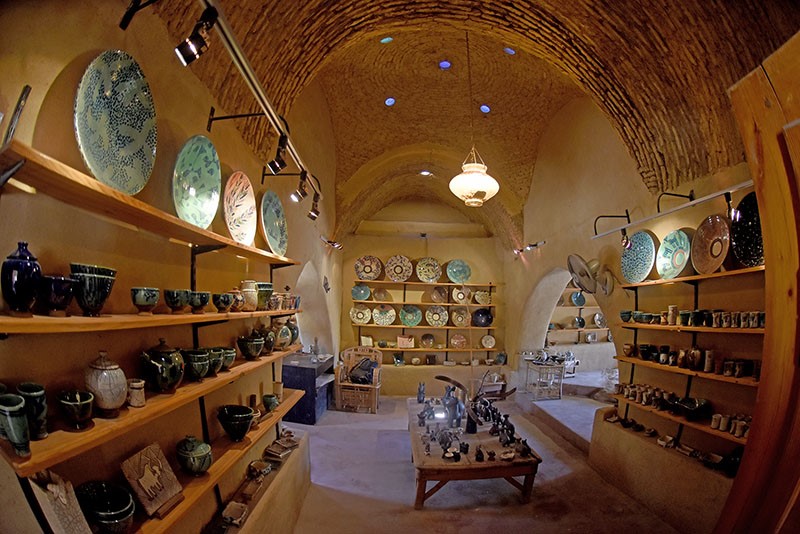
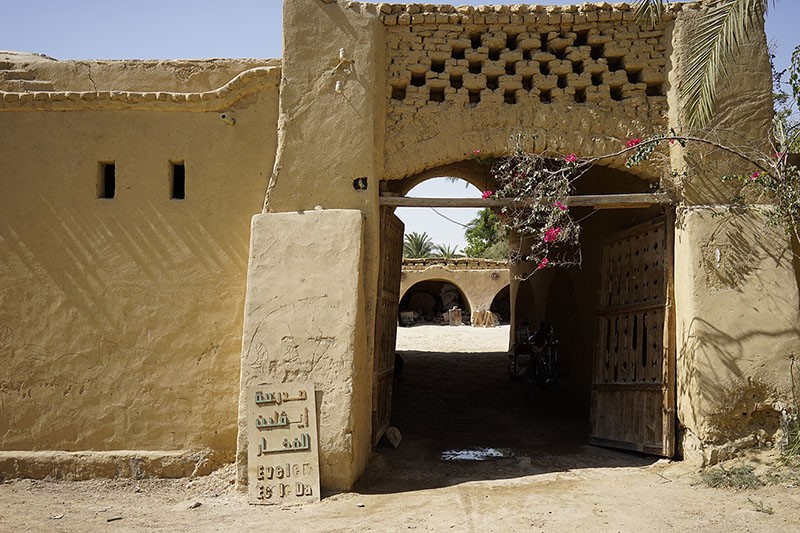
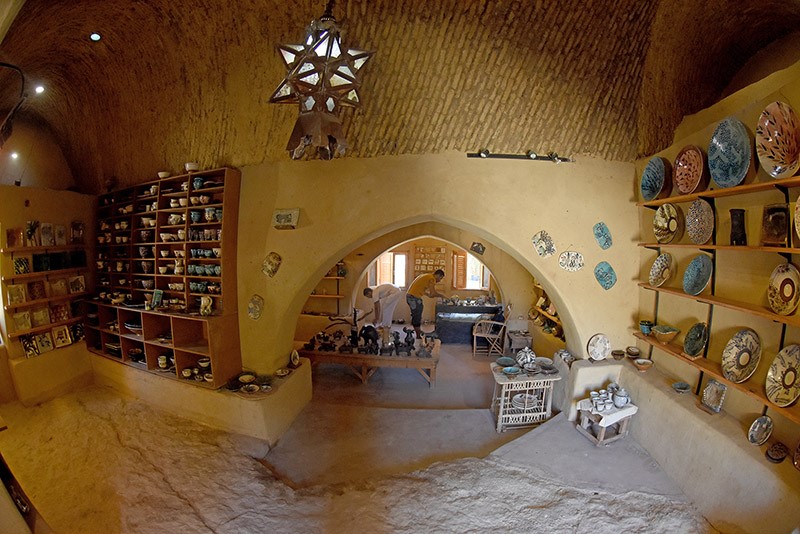
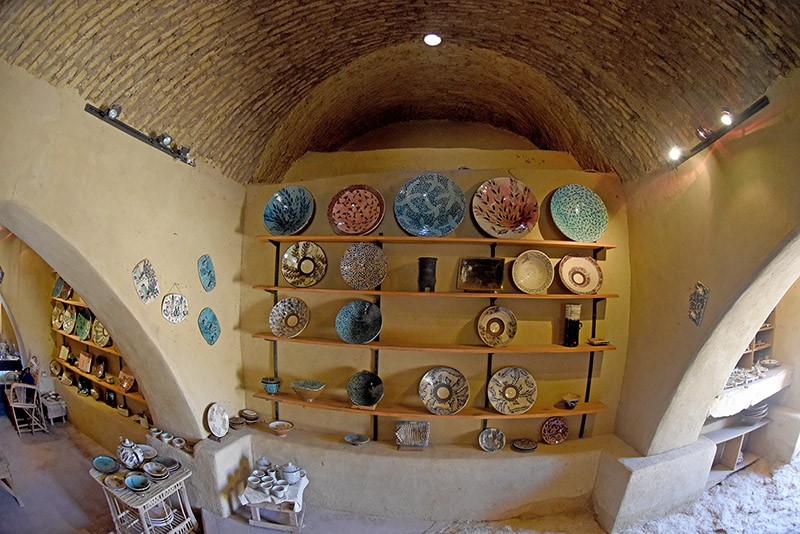
Tunis is located in the south-western part of Fayoum on Lake Qarun. The village is mostly populated by farmers that grow olives, onions, corn and animal feed. But Tunis is also famous as an artist’s residence. The village is presently home to 10 pottery workshops and Evelyne’s Pottery School that produce and sell artistic pottery. The colorful glazed Tunis pottery is inspired by Islamic art motifs. Tunis pottery is not mass-produced: Every single piece originates from the imagination and creativity of its producer. Some of the potters have participated in local and international pottery exhibitions and fairs. Their products are exhibited in local and international museums and are sold in Fayoum, Cairo and abroad. Yet, tours through Tunis offer much more. They take visitors to off the beaten tourism tracks through wonderful green areas with lush fruit gardens and fields, and provide them with a rare insight to rural traditions and life.
The annual “Tunis Pottery Festival” scheduled for the 3rd to 6th of December is a cultural highlight: Exhibits of ceramics, handicrafts and pottery works to bird watching, presentations of documentaries and recorded films as well as theatre and Bedouin group performances reflect the richness of Fayoum’s cultural heritage.
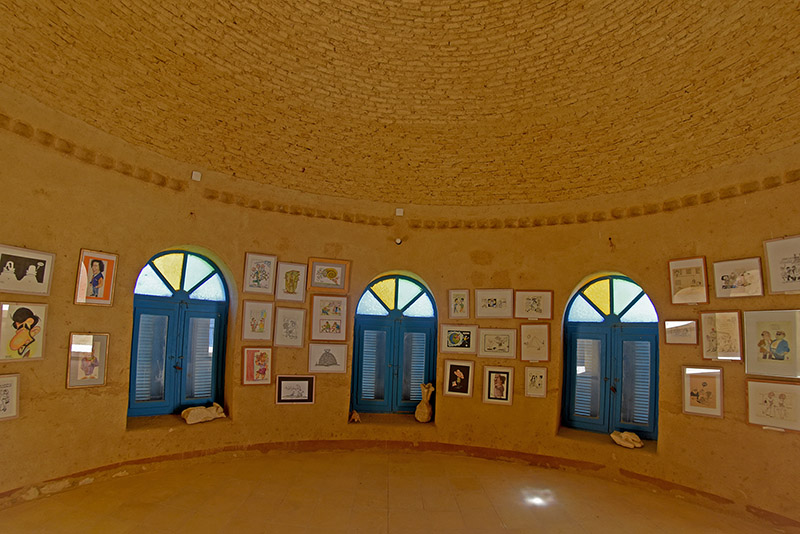
Caricature Museum

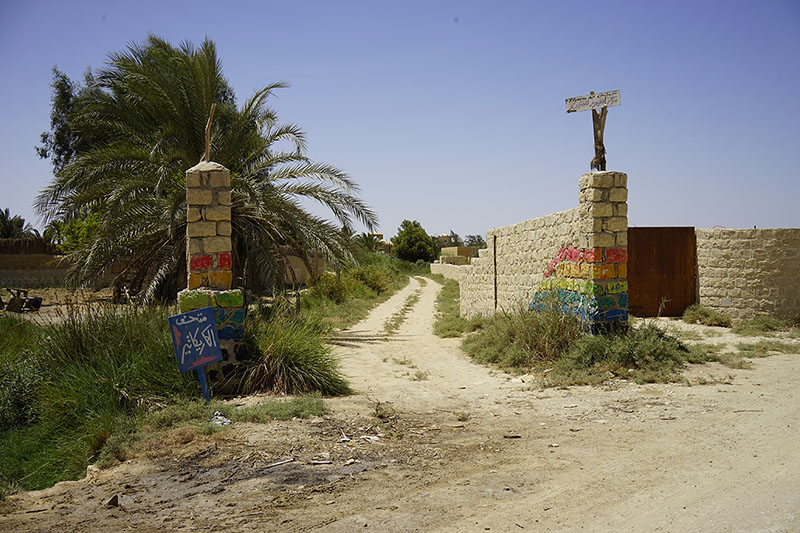
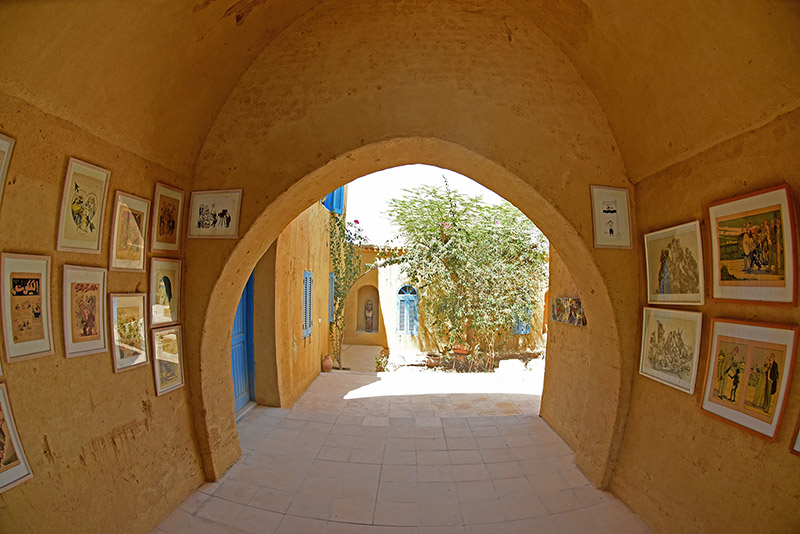
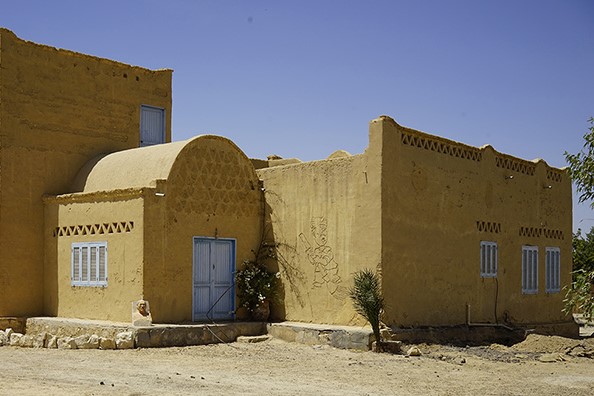
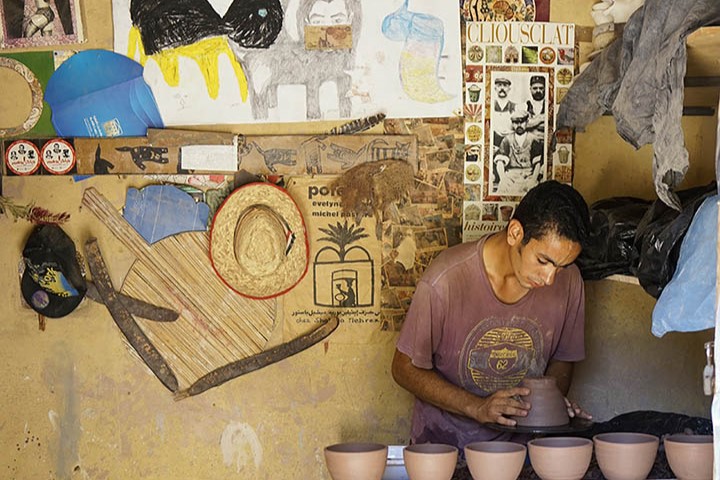
Evelyne Pottery School

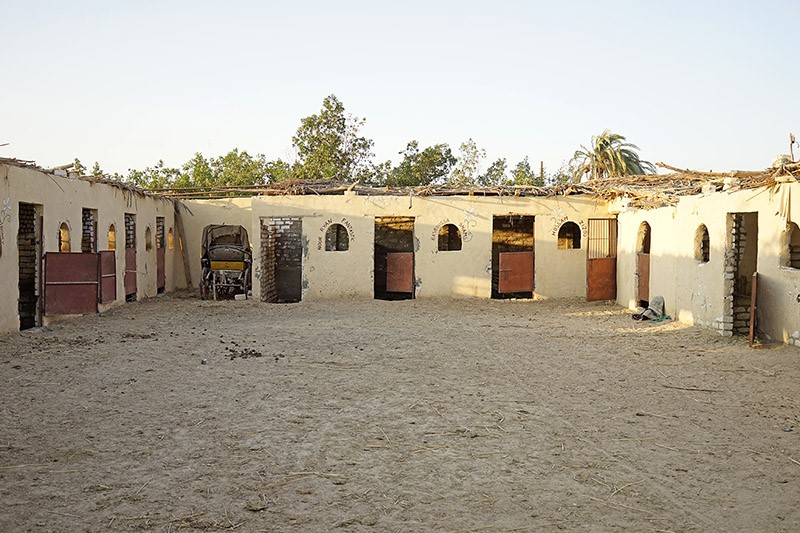
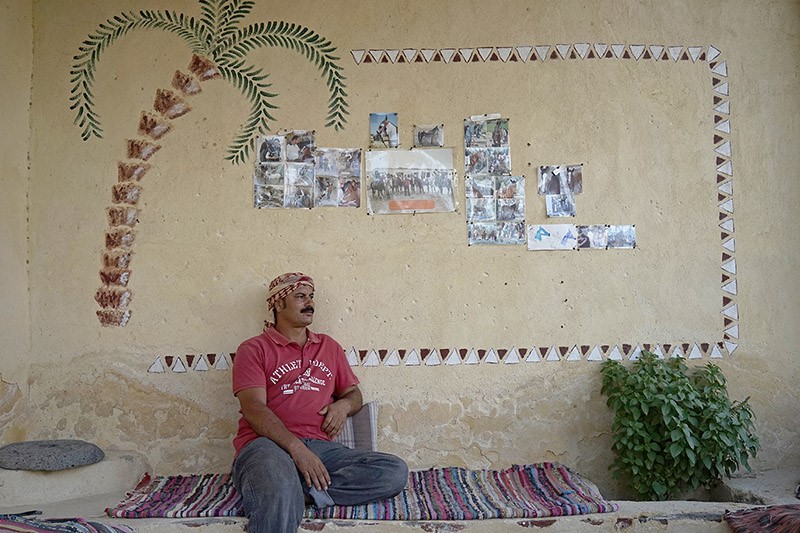
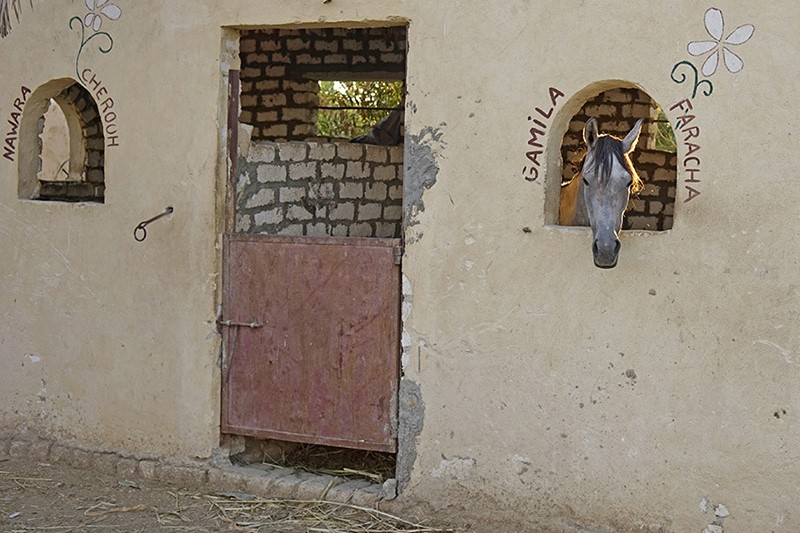
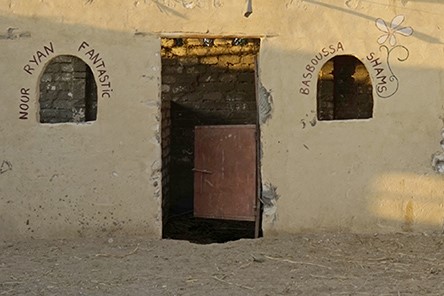
Mohamed’s Horses

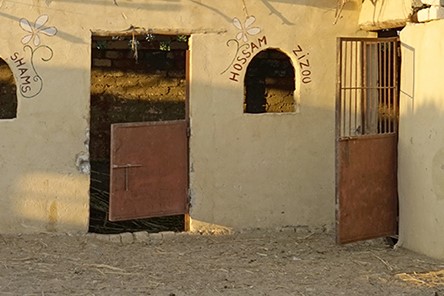
Meet the potters
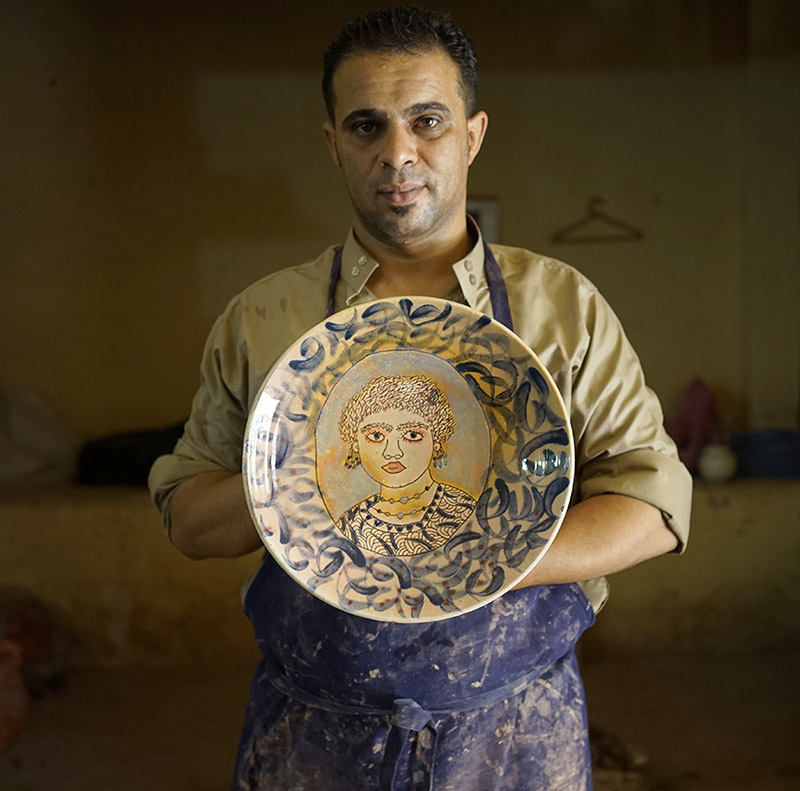
Samir Ibrahim
—

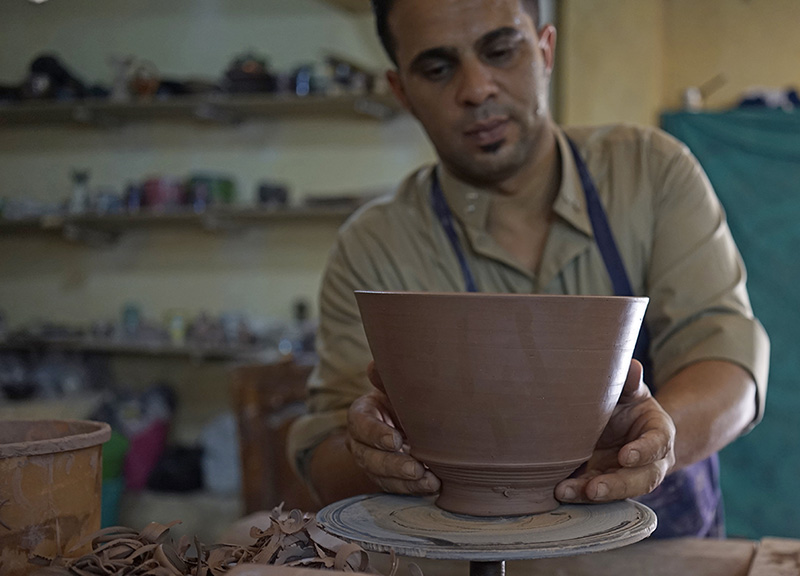
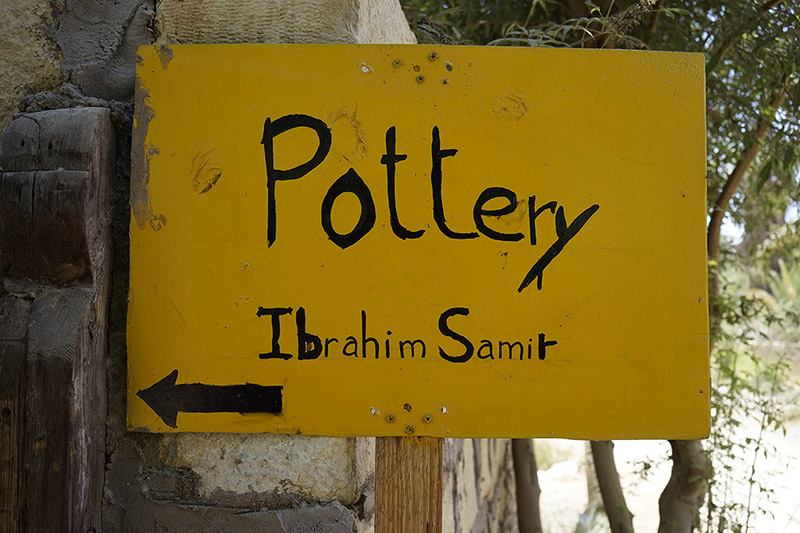
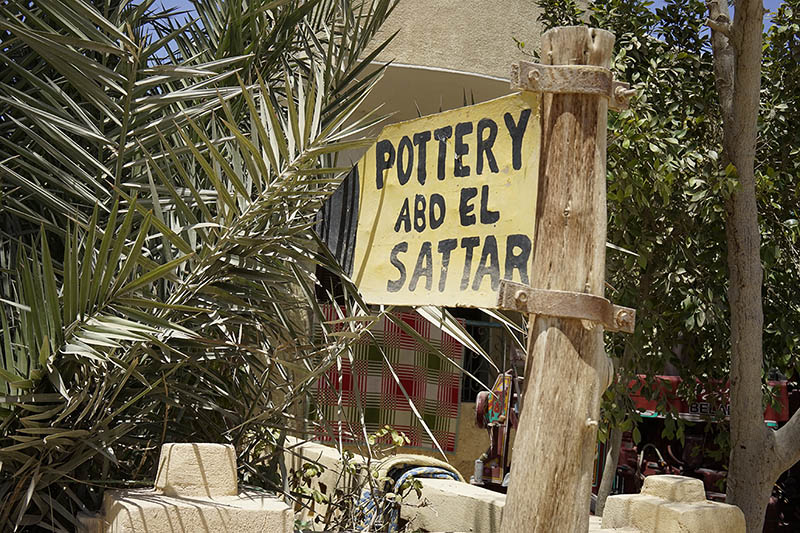
Abd El Sattar
—

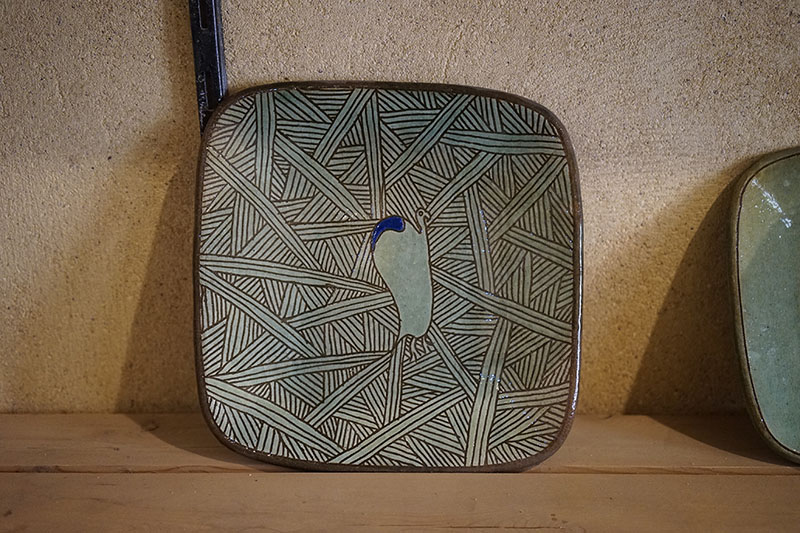
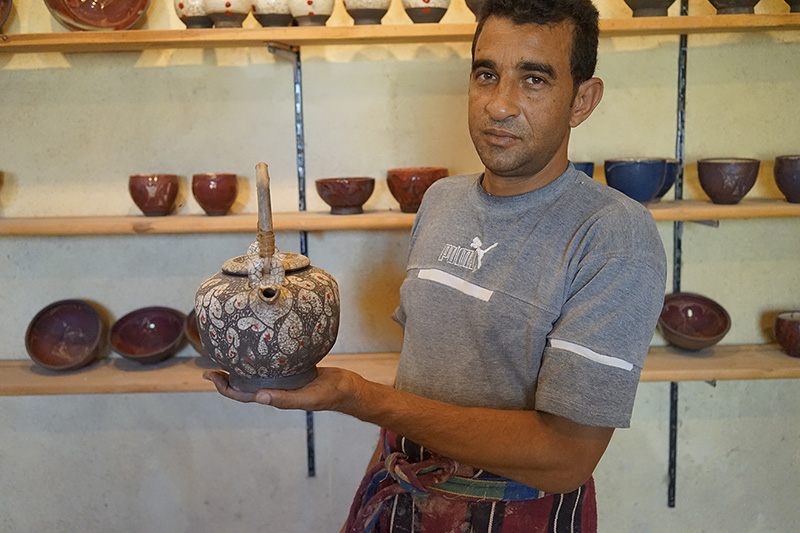


Mahmoud El Sherif
—
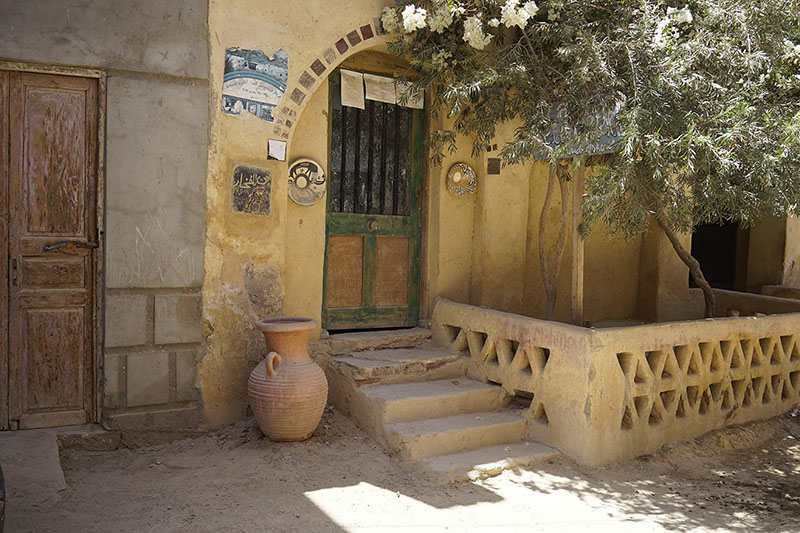


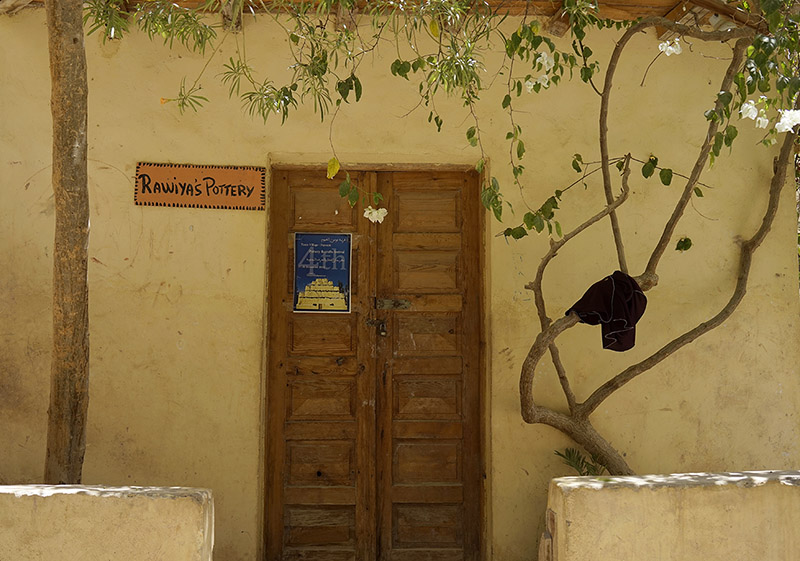
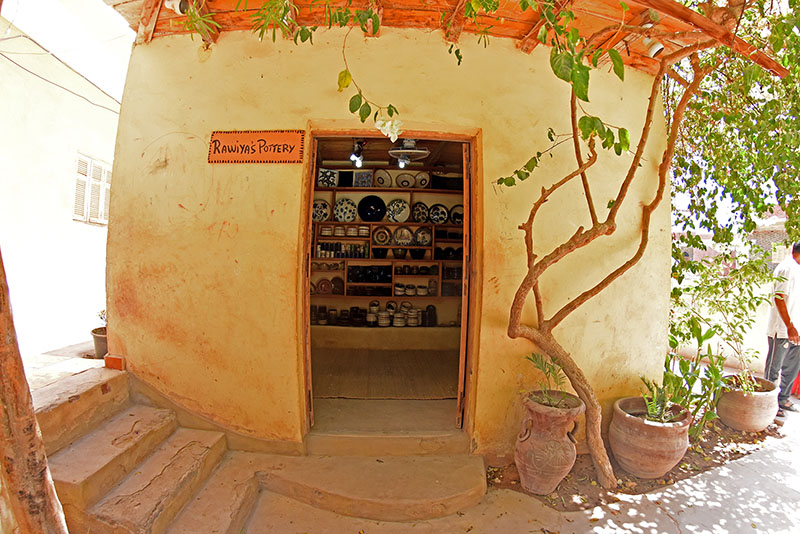
Rawiya
—
TUNIS HOTELS
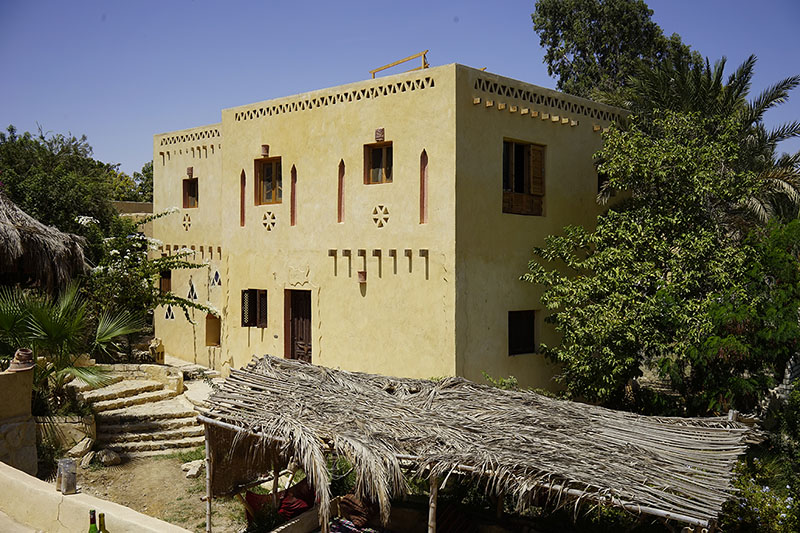
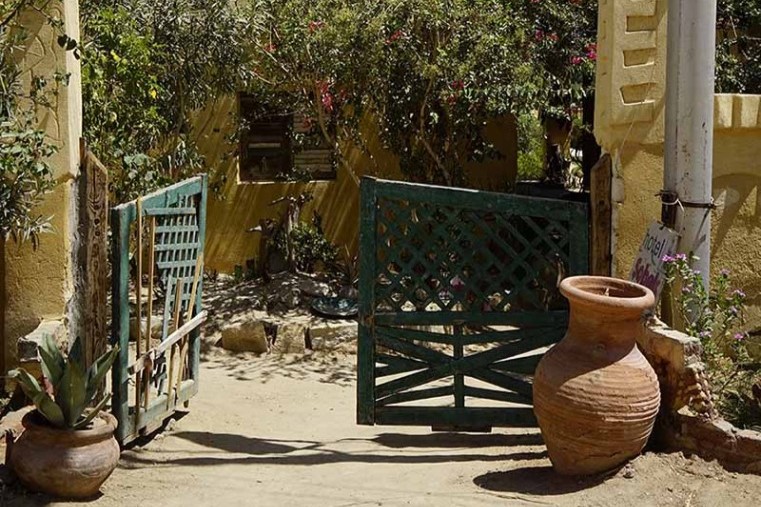
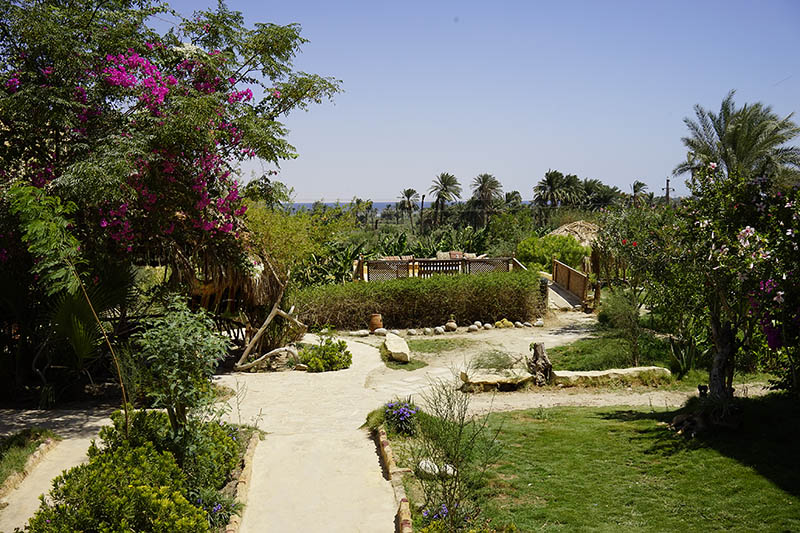
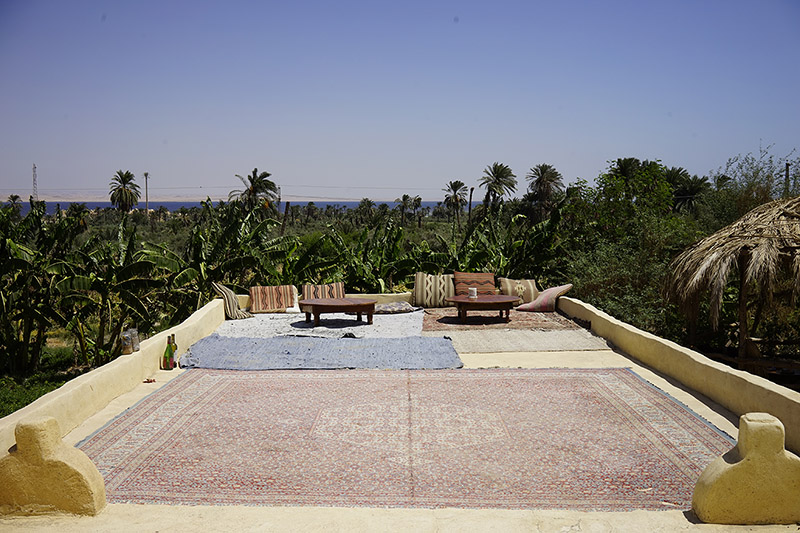
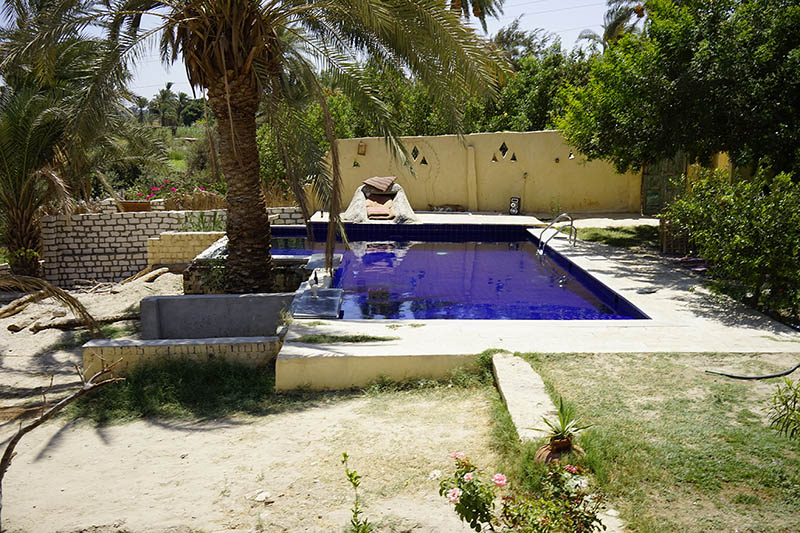
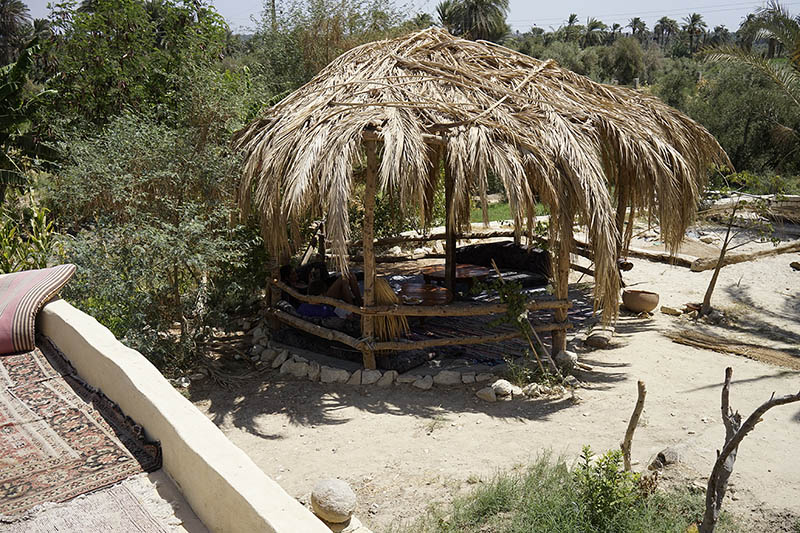

Sobek Hotel
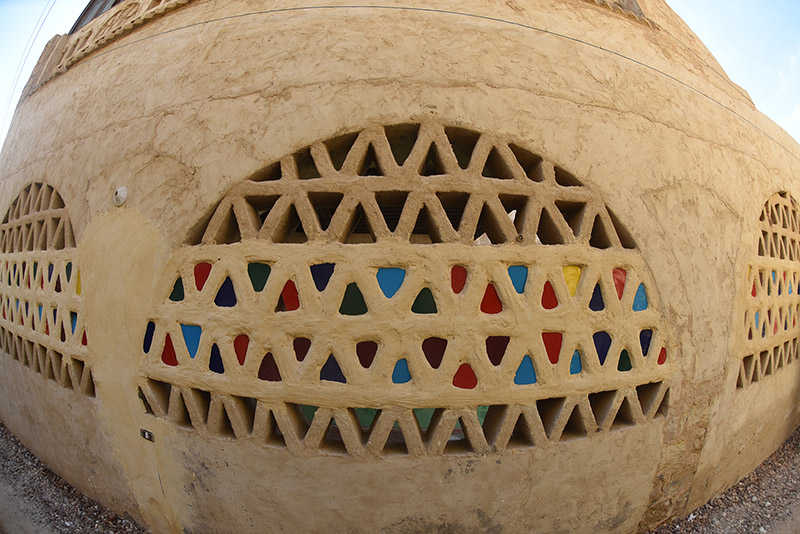
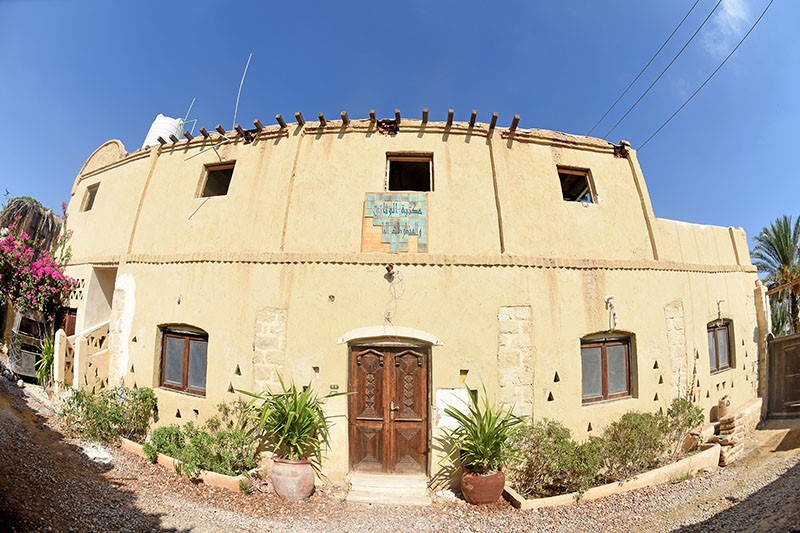
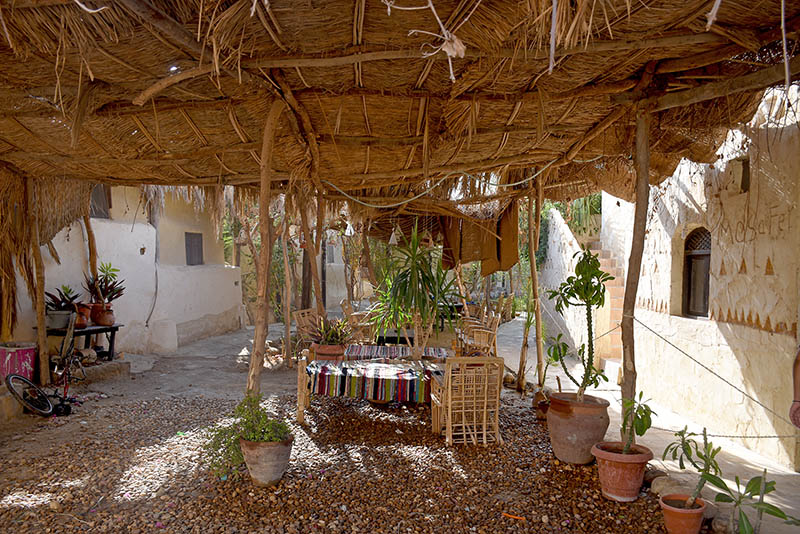

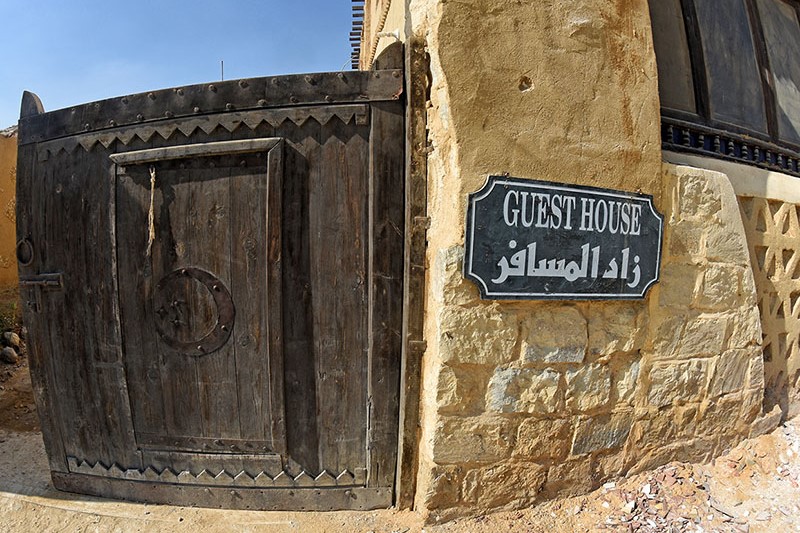
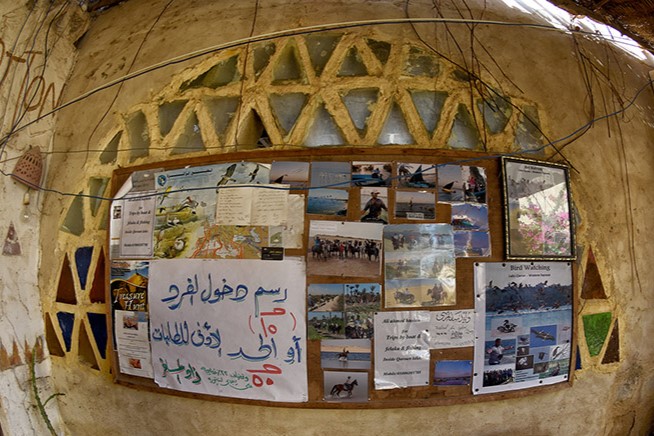

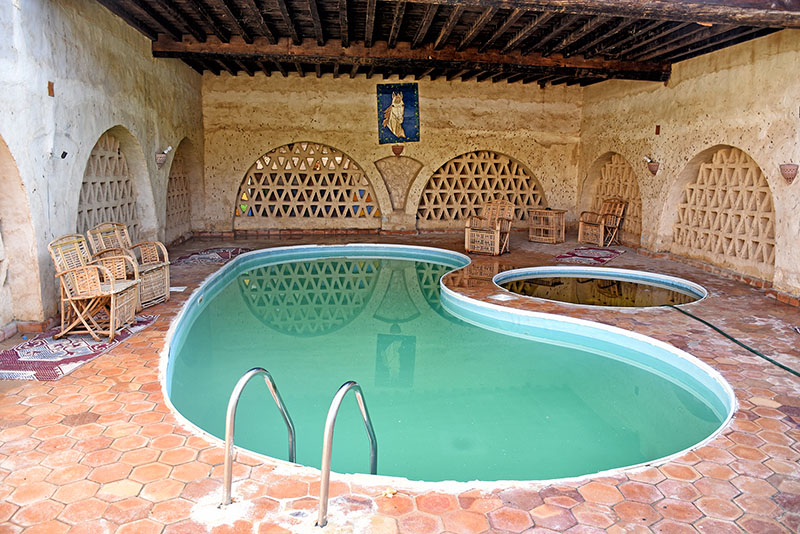
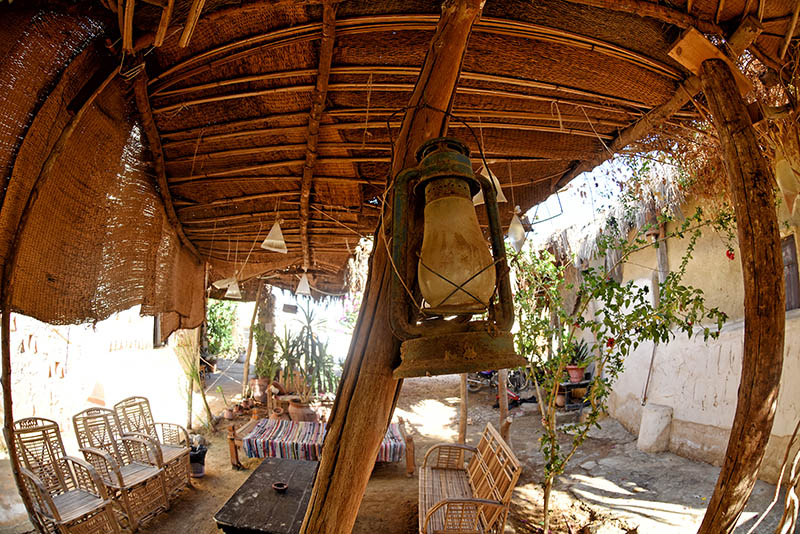
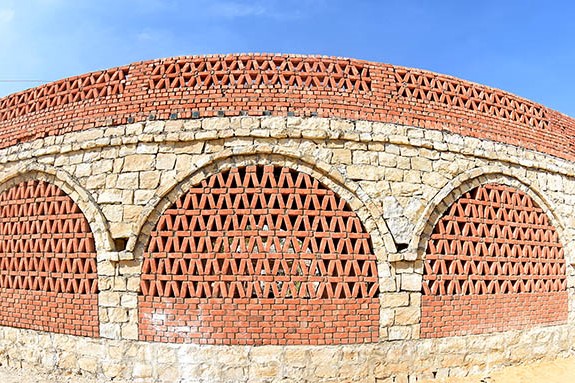
Zad El Musafer


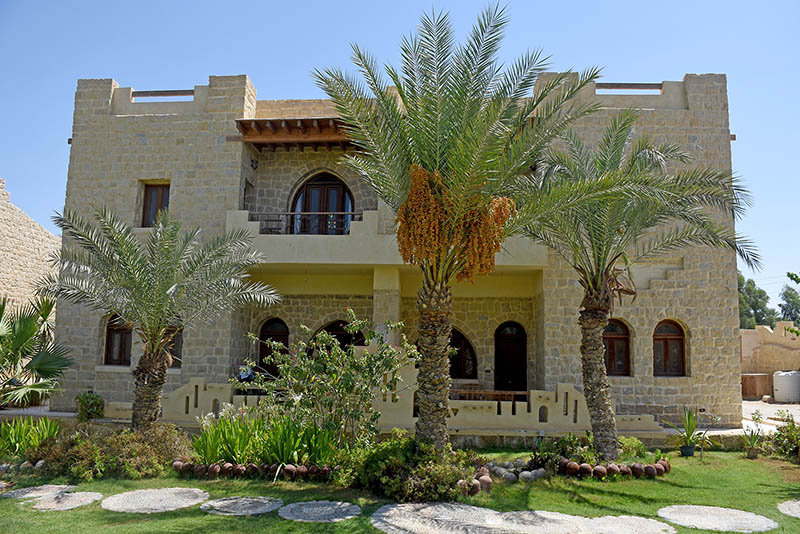
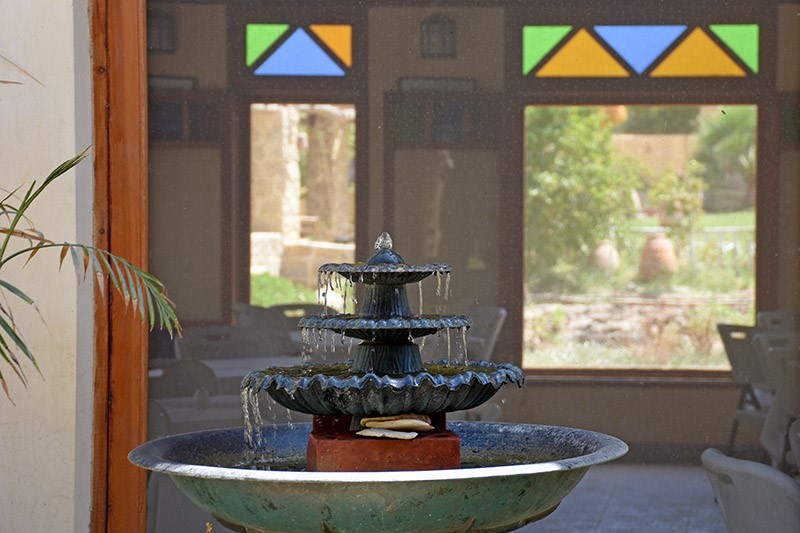
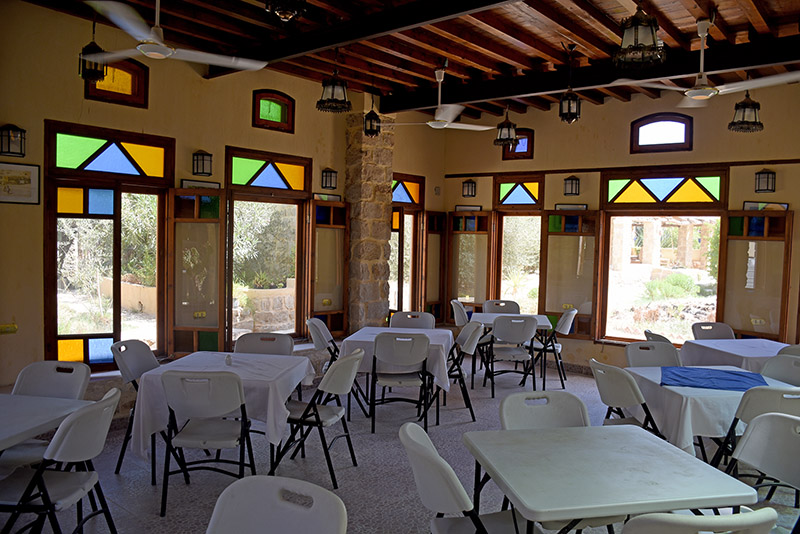
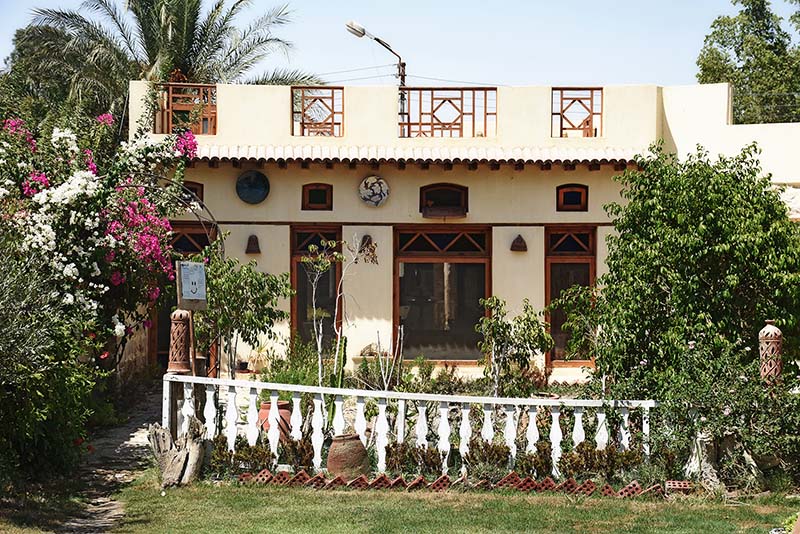
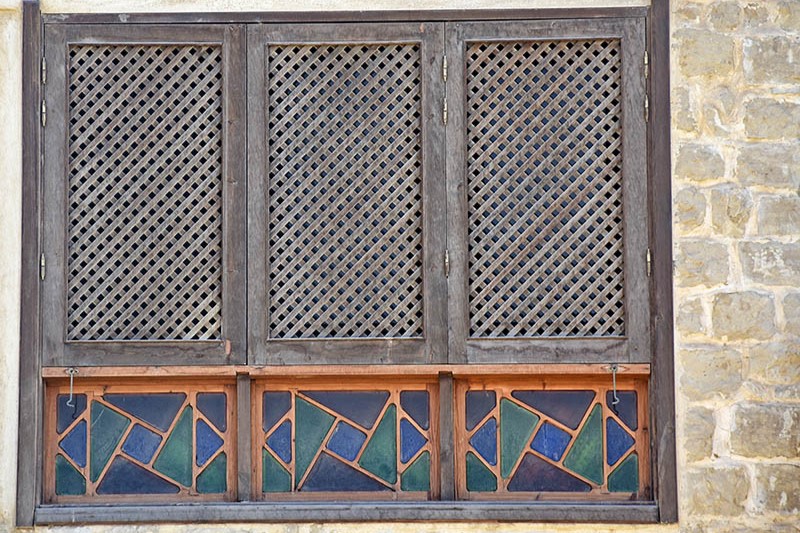
Zilal Al Nakhil
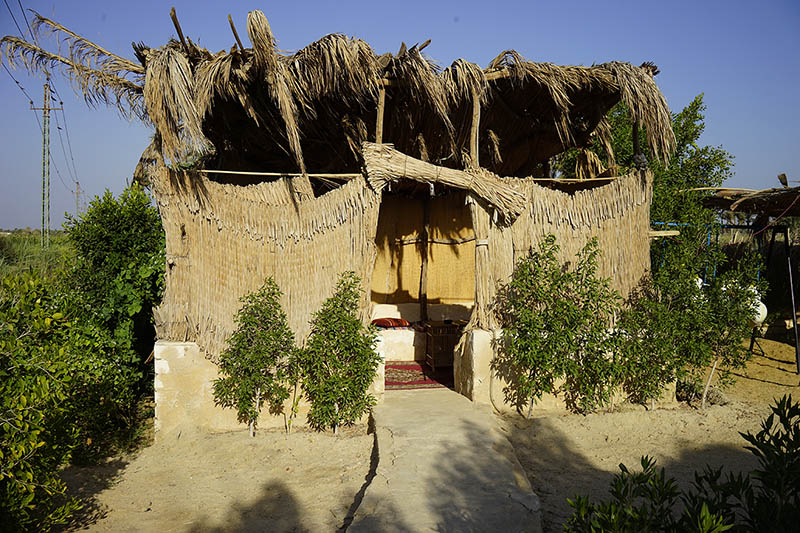
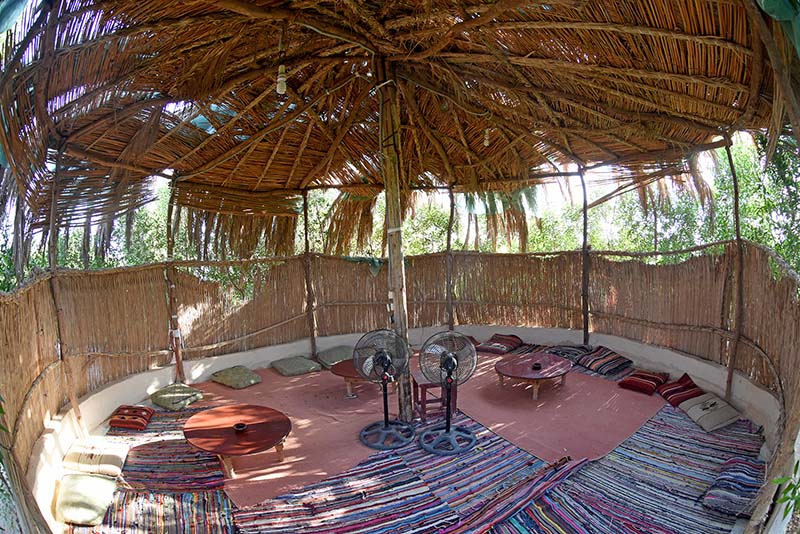


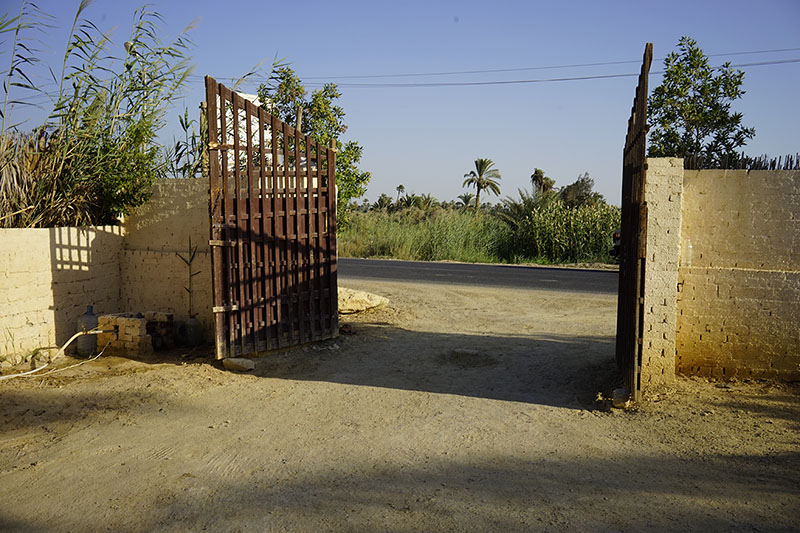
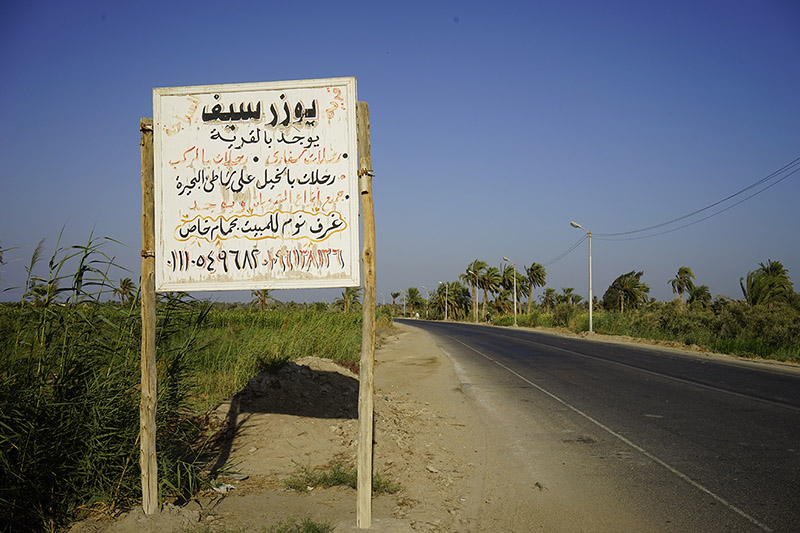
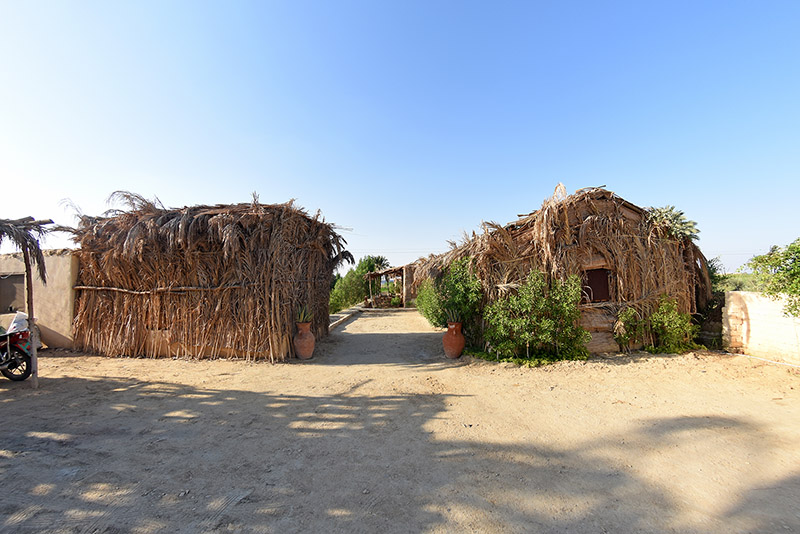
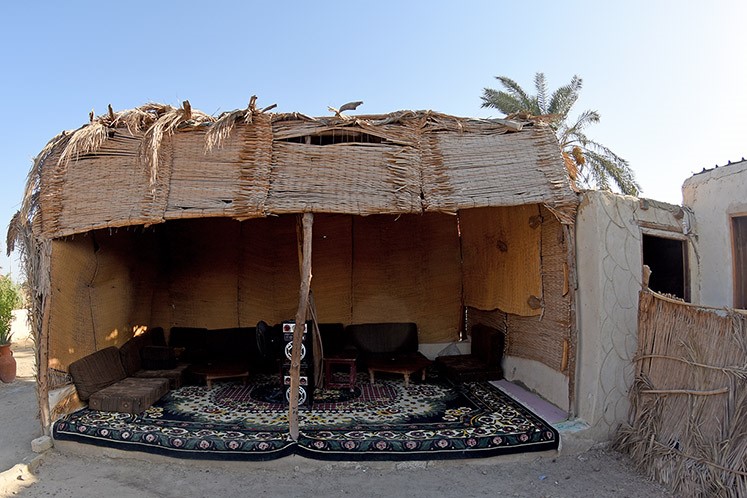
User Seif
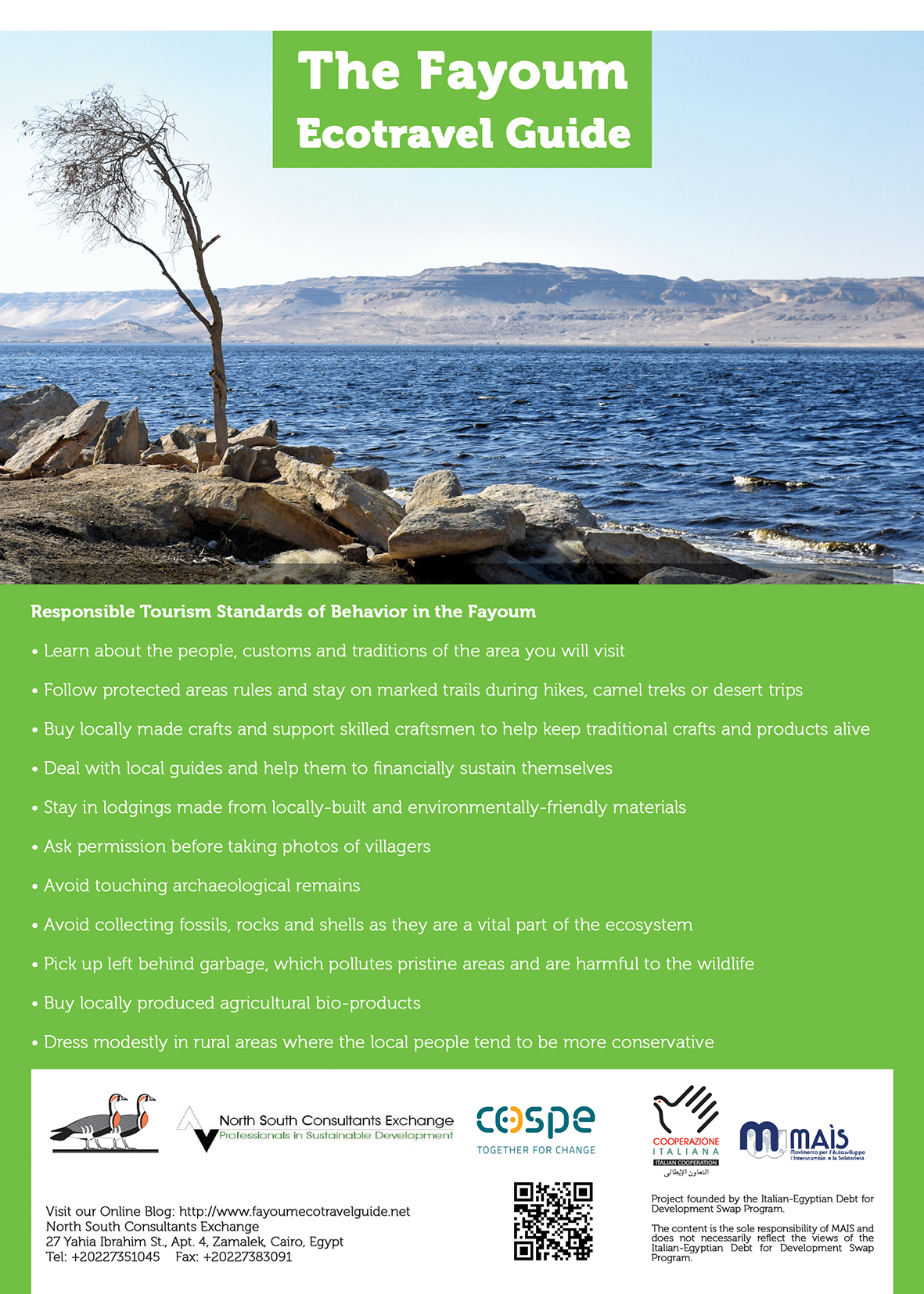
Responsible Tourism Standards
- Learn about the people, customs, and traditions of the area you will visit
- Follow protected areas rules and stay on marked trails during hikes, camel treks or destert trips
- Buy locally made crafts and support skilled craftsmen to help keep traditional crafts and products alive
- Deal with local guides and help them to financially sustain themselves
- Stay in lodgings made from locally-built and environmentally-friendly materials
- Ask permission before taking photos of villagers
- Avoid touching archaeological remains
- Avoid collecting fossils, rocks, and shells as they are a vital part of the ecosystem
- Pick up left behind garbage, which pollutes pristine areas and are harmful to wildlife
- Buy locally produced agricultural bio-products
- Dress modestly in rural areas where the local people tend to be more conservative

The above is only the tip of the iceberg as far for telling the story of NSCE fostering ecotourism in Fayoum. Let us delve into the records of the archive that spans over a decade:
Ecotourism for Sustainable Development in Fayoum

Research Phase (1999-2000)
The Ecotourism for Sustainable Development in Fayoum Project was executed by NSCE at the request of the Tourism Development Authority with the endorsement of the Governorate of Fayoum and under a grant from the Royal Netherlands Embassy in 1999. The grant was given to develop a study of the potential benefits of ecotourism in creating jobs and preventing environmental degradation.
The project brought together experts in the fields of small- and microenterprise training and credit provision, environmental planning, economy, crafts marketing, tourism development and marketing. Using primary field research and available literature the project assessed and analysed the potential economic, cultural, and social impact ecotourism might have on Fayoum.
Project: Ecotourism for Sustainable Development in Fayoum The research found that properly planned ecotourism has a great potential for success in the region. Though it was found that the local people of Fayoum were generally unaware of the benefits of ecotourism or strategies through which they could benefit from it, they were for the most part positive about learning.
The project concluded that ecotourism will:
- Help foster an alternative and more locally beneficial tourism by investing in the improvement of local human resources. Such investments include training to effectively market tourist services and products.
- Encourage the valuation and thus preservation of local cultural and environmental assets by demonstrating that natural and cultural environments can bring much needed revenue to the area.
- Stimulate the local economy through the development of ecotourism related entrepreneurship and credit facilities for local population.
The feasibly study clearly showed that the type of tourism that the Fayoum currently receives is not fulfilling its potential.
Most visitors tend to come for the day and do not make any use of overnight accommodation. The existing hotel capacity is therefore much higher than the demand. Most visitors do also either pick nick at the southern shore of the lake or camp out in the desert. In both cases, in general they bring with them all the food and drinks necessary and the local economy does hardly benefit from their presence. In addition and due to poor signage, interpretation and infrastructure facilities, the visitor number at cultural and archeological interesting sites is low. The benefit of tourism though is minimal as far as economic benefits for the local population and the governorate are concerned.
With 40% of the population considered as poor (the second highest rate in Egypt), 14% considered ultra-poor, and a per capita income half that of Cairo, Fayoum is in need of an economic revitalization. Most of the population lacks the appropriate training, experience or education to start or manage a small business. Only 20% of men and 14% of women have a secondary education or higher and the literacy rate stands at only 37.4%.
The small business and tourism training component of this project will help to diversify a labor force that is, at 46.8%, the most highly involved in agriculture of all the Egyptian governorates.
Environmental degradation due to unlicensed constructions, land filling, poorly planed construction work, intensive agriculture, fish farms and missing environmental awarness are threatening to ruin the touristic assets of the area. Unfortunately, there is widespread ignorance about the nature of pollution and environmental degradation and a lack of understanding of the economic and social benefits of preserving the lake, oasis, and surrounding deserts.
While the governorate of the Fayoum and the Tourist Development Authority are solidly behind the development of ecotourism, they are currently facing intense pressure from developers who want to build environmentally unsound tourist villages around the edges of the lake and abolish the status of protected area on the southern shore of the lake. Some within governorate lack the ammunition, knowledge of the value of ecotourism and environmental watchfulness, to fight back against economically based environmental degradation.
THE FAYOUM
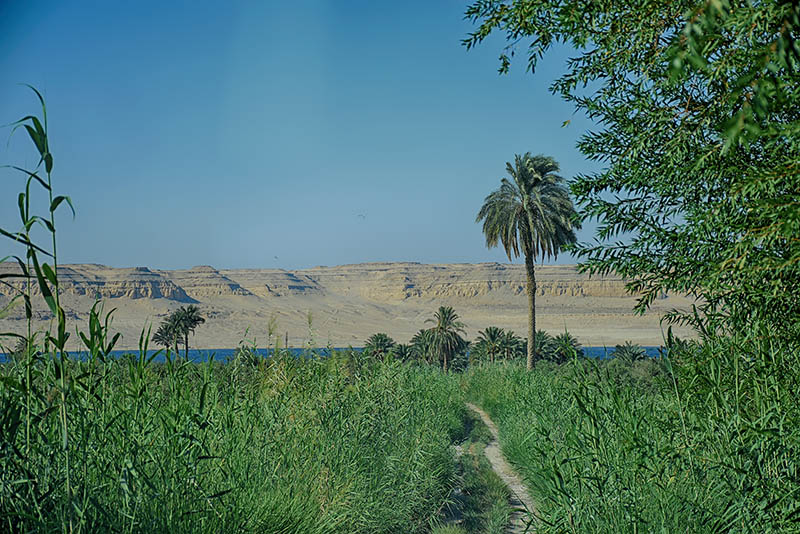
Only ninety km from Cairo, the Fayoum Oasis is a rural area covering 12,000 km². Fayoum owes its existence to the Bahr el Yussef Canal linking the Nile with the Fayoum depression. The water runs through an elaborate irrigation system ending in Lake Qarun in the north and in the more recently created overflow basin Wadi Rayan. The Fayoum governorate has three characteristic landscapes: the rural centre, the surrounding desert, and the lake shores of Wadi Rayan and Lake Qarun.
The Fayoum depression has played an integral part in every culture that has swept through Egypt from the Pharaohs to the Greeks and Romans to the Coptic Christians and finally the Muslim Arabs. Beyond its human history, the area has long been distinguished by its natural beauty which is rare to the settled lands of the Nile valley and Delta. With its lakes, palm trees, pristine desert areas, fossil remains, bird sanctuaries, and rural quietude, the area has much to
offer to visitors.
Economically the Fayoum has throughout the last century remained largely on the periphery of the social and economic developments that have taken place throughout the rest of country. Despite its proximity to Egypt’s economic heart, Cairo, and its physical link to the Nile irrigation network, the Fayoum remains poor with the fourth-lowest per capita income of the governorates in Egypt. Literacy and school enrollment rates are the lowest in the country. Additionally, the residents of the Fayoum suffer from a lack of awareness of environmental and cultural assets, overexploitation of limited natural resources, and low participation of local population in tourist development.
While the Fayoum currently suffers from deprivation, under-education and deteriorating economic and environmental conditions, its resources could become, if appropriately used, a major asset in combating some of the economic problems of the area. These resources include the oasis itself, the geological and paleontological wealth of Gebel Qattrani and Wadi Heitan, the numerous historical monuments that dot the area and Wadi Rayan Protected Area.
After concluding the initial assessment of the social, economic, environmental, cultural, and touristic infrastructural conditions in the Fayoum, a series of six ecotourism projects were designed. These projects, which are under the umbrella of the Ecotourism for Sustainable Development in Fayoum Project, were created to take advantage of the knowledge and experience gained in the first phase of the project. These proposed projects are as follows:
- Ecotourism with a Social Dimension: The objective is to develop the capacity of private and governmental organizations and individuals to plan and operate ecotourism services in the Fayoum governorate.
- Ecotourism and Job Creation: The objective is to create 500 jobs in Fayoum through the development of ecotourism-related small businesses, credit, and counseling facilities.
- Ecotourism and Environmental Protection: This project seeks to build the management and infrastructure of Qarun Protected Area to preserve the natural and cultural resources within the framework of environmentally sound and sustainable utilization.
- Ecotourism Coordination Unit: To coordinate and secure the input of private, international, and governmental organizations for the development of ecotourism activities in the Fayoum.
- Development of Local Environmental Guides: The objective is to train a minimum of 20 local people from the Lake Qarun area to provide background information on natural and geological assets of Fayoum and to lead nature-based visits of selected sites.
- Ecotourism Development and Archaeological Protection: The goal is to develop a comprehensive site protection for a selected number of sites, train local guides and conduct an awareness program for the population.
Upon the conclusion of the research in 1999, the NSCE Team has maintained regular lobbying and public awareness activities with both the Tourism Department of Fayoum Governorate and Egyptian Environmental Affairs Agency (EEAA) through regular discussions and contacts. In December 2001, an inter ministerial tourism development committee has been established by governorate decree in Fayoum and composed of representatives of TDA, Ministry of Tourism and Antiquities (MoTA), the governorate, EEAA, Fayoum University, the Businessmen Association and the Antiquities Department. Both EEAA and the Fayoum Tourism department have suggested including NSCE representatives as technical resources members. The creation of the committee is partially related to the impact of the earlier study and the subsequent lobbying for ecotourism development in Fayoum. It lays down more favorable conditions for the implementation of the proposed activities and represents a new and important asset for the sustainability and success of the preparatory phase.
WHAT IS ECOTOURISM
Ecotourism is responsible travel to natural areas which conserves the environment and improves the welfare of local people. Ecotourism thus has the objective and principal characteristic of being sustainable, by concentrating on three main themes of preservation of the natural heritage, preservation of cultural heritage, and participation of and direct benefit for the local population. Ecotourism differs from conventional tourism in that it requires ecological and cultural awareness from both tourist and host. The culture, traditions, and customs of the people in addition to the environment in which they live become the most important elements that bring visitors in ecotourism.
The research phase of the Ecotourism for Sustainable Development found the potential for developing ecotourism in the Fayoum, with its lakes, palm trees, pristine desert areas, fossil remains, bird sanctuaries, and rural quietude, very high. Likewise, it was found that ecotourism could present ample opportunities to local residents. These opportunities include jobs, extra income, and technical training in the field of tourism and small business management.
While not a panacea for all of the region’s environmental and economic ills, properly planned ecotourism offers to help develop and diversify the local economy and provide much needed business management training experiences. Ecotourism stands to arrest environmental degradation and explicitly shows local people the economic benefit of maintaining a clean and healthy environment. With a successful ecotourism project in the Fayoum the nation will have a chance to see a working example in how to diversify tourism offerings. Following the example of successful ecotourism, localities throughout the country would discover that the ecotourist’s dollar circulates in and benefits the local economy much more profoundly than the normal tourist dollar.
A workshop “Ecotourism Final Presentation Wokshop” held May 8, 2000, at the Cairo Agricultural Museum (Dokki, Giza) was well attended by key figures in the governorate of Fayoum, including the governor, and the Tourist Development Authority (TDA), and showed that institutional interest in brining ecotourism to the Fayoum is clearly high.
In order to take advantage of these opportunities the project has seized the moment. Time has been of the essence as conventional tourist developments in the area threaten to overwhelm the existing environmental resources, especially along the shores of lake Qarun.
Preparatory Phase for Ecotourism in Fayoum (2002-2004)
To mobilize resources and establish the proper conditions in the local public and private sector to initiate a planned series of ecotourism projects in the Fayoum, the Royal Dutch Embassy in Cairo has agreed to finance a follow up project called “Preparatory Phase for Ecotourism in Fayoum Project”. Objectives of this initiative were to secure the effective commitment of the Fayoum governorate, other governmental agencies, donors and the private sector in the long-term implementation of ecotourism in Fayoum, to mobilize new and additional resources, and to operate a series of demonstration ecotours, which would stimulate future ecotourism development in the Governorate.
Project: Preparatory Phase for Ecotourism in Fayoum Project implementation started in October 2002 and lasted until December 2003, with the final report written in February, 2004.
The Project has identified, selected, and documented 4 different ecotourism tour themes in the Governorate, namely:
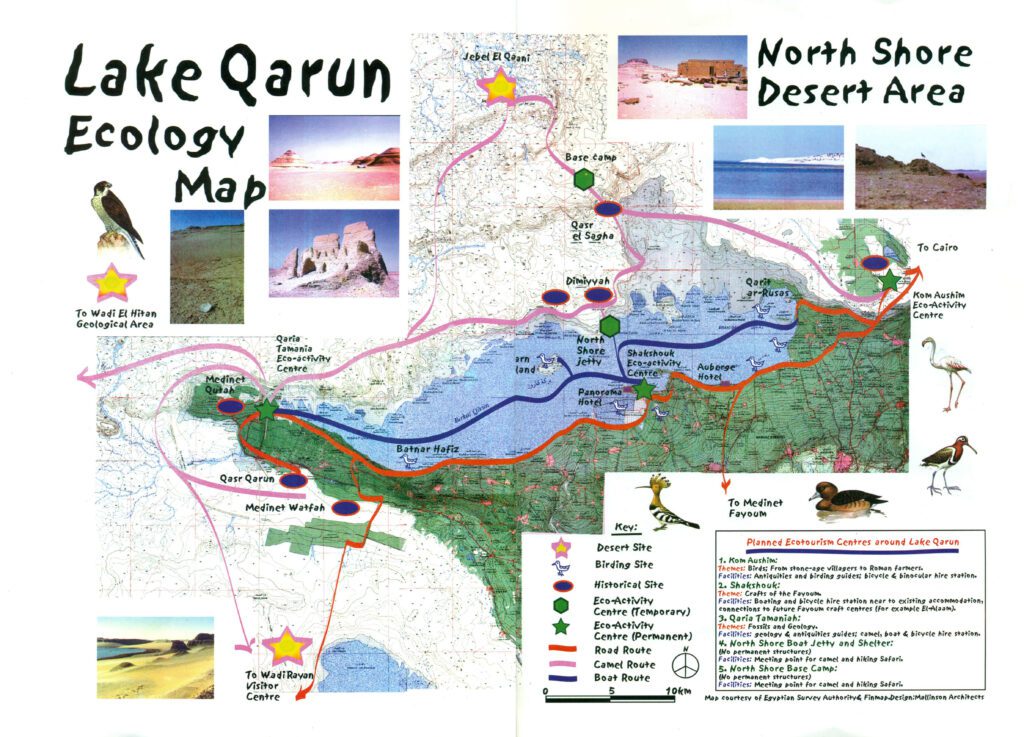
- Shores and islands of the lakes: Birdwatching in Fayoum.
- World class heritage sites: Interpretative tours to Gebel Qattrani and Wadi Heitan;
- Alternative Desert: Hiking and camel trekking in Wadi Rayan Protected Area;
- Living crafts and rural life: traditional and modern day pottery in Fayoum;
The Preparatory Phase for Ecotourism in Fayoum Project has been initiated to mobilize resources, start a planned series of ecotourism initatives and establish the proper conditions for ecotourism in Fayoum. The project has developed and operated a series of demonstration tours, which would stimulate the future ecotourism development in the governorate.
FAYOUM ASSETS
The flight of birds
Nature Tourism
The voice of the monuments
Culture Tourism
The hands of the craftsman
Rural Tourism
Sand, geology, world paleontology
Desert Tourism
Ancient irrigation, traditional agriculture
More Tourism
Birdwatching in Fayoum
The scenic oasis of El Fayoum is a popular destination for birdwatching among local birders and is included on the itineraries of most foreign birding tour companies visiting Egypt. El Fayoum has many attributes making it attractive for birdwatching and nature tourism, among them:
- Close to Cairo and easily accessible;
- Well-developed tourism infrastructure (extensive road network, good hotels and restaurants, etc…);
- Possesses a diversity of habitats (wetlands, farmlands and desert) where a wide representation of species can be seen, including Egyptian specialties and rarities.
- Attractive scenery;
- Occasionally encounter other wildlife;
- Has a variety of other attractions and sites of interest for tourists including traditional rural life, cultural heritage sites from prehistoric to modern times and spectacular geological formations, including internationally renowned fossil deposits.
El Fayoum is good for birdwatching throughout the year. However, winter, spring and autumn are the best seasons to visit when the highest number and variety of birds occur. During these seasons the 35 or so resident species are supplemented by upwards of 150 species of migrating and wintering birds.
While birds occur everywhere in El Fayoum, Lake Qarun is the top birdwatching location teeming with waterbirds in winter. Birds are also are found in the lush agricultural lands surrounding the lake. Wadi El Rayan, a man-made wetland formed in a desert depression is another good location to see birds. Both are Protected Areas. Due to their global importance for waterbirds, BirdLife International has listed Lake Qarun and Wadi El Rayan as Important Bird Areas (IBAs).
Half day, full-day and overnight visits can be arranged for birdwatching in El Fayoum. Trips can be organized just for birdwatching or can be combined with general sightseeing.
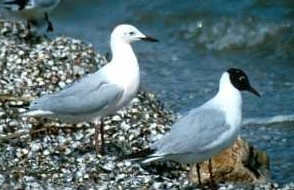
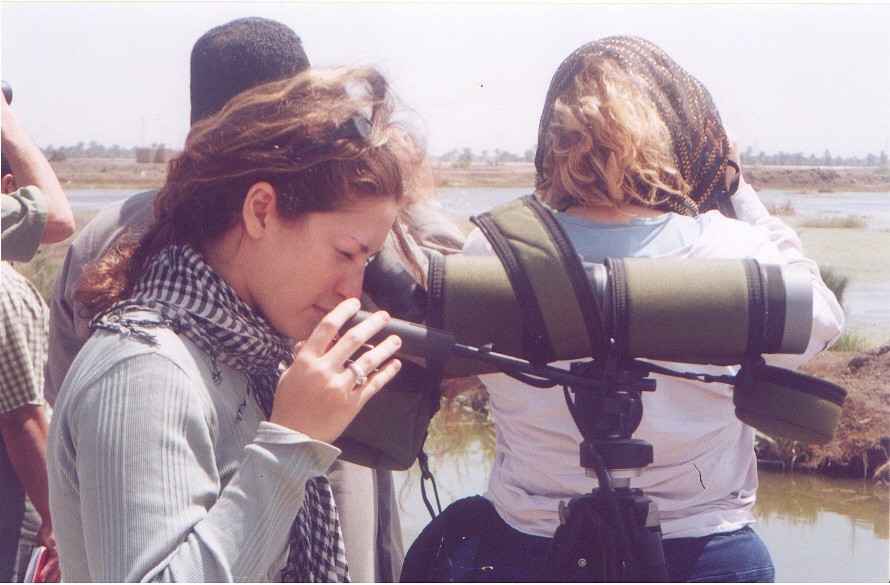
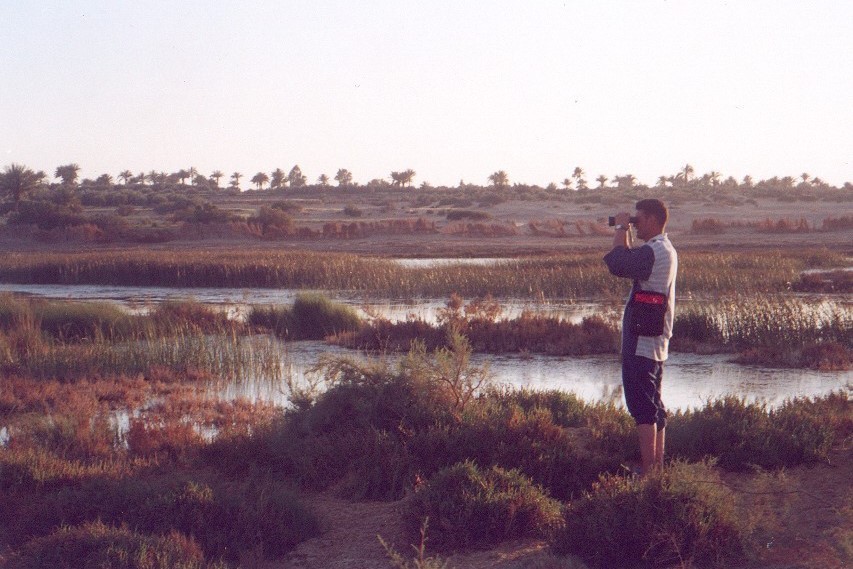
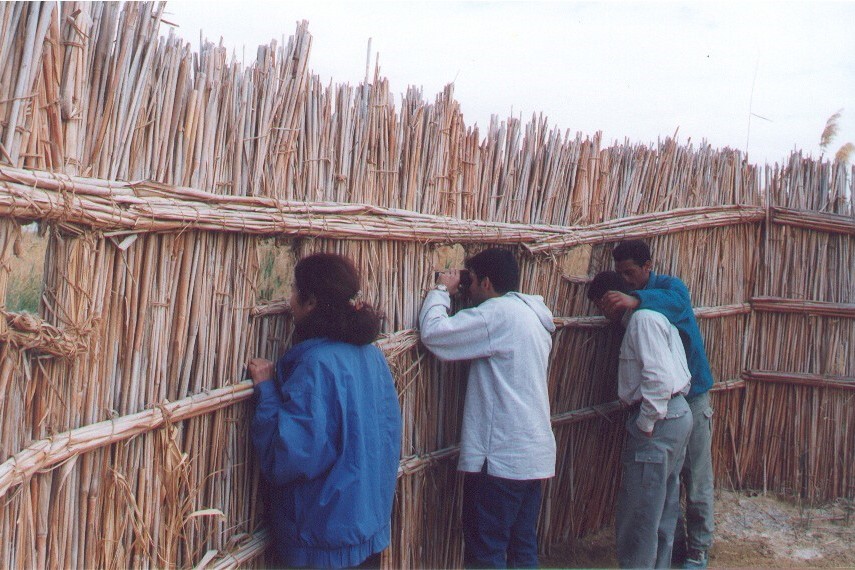
Do you know that you can get closer to the birds in Fayoum?
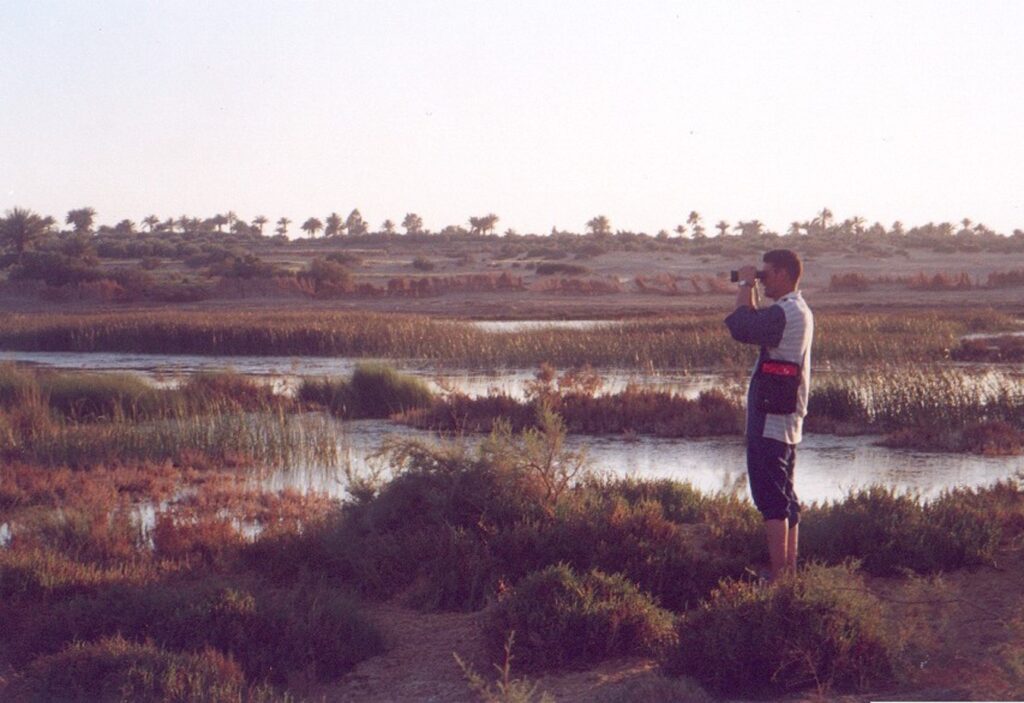
Birds are the most visible wildlife in the Fayoum. The area is a birdwatcher’s paradise. The shores of Lake Qarun and the Wadi Rayan lakes have been designated by BirdLife International as an Important Bird Area. These sites are all globally important for wintering water birds. Birds can be found almost anywhere in and around the lakes.
Camel Trekking in Fayoum and Wadi Rayan Protected Area
The spectacular Fayoum desert is one of the main reasons visitors come to the Fayoum. Exploring the desert on the back of a camel with a local guide is indeed an excellent way of escaping Cairo.
In the past, the Fayoum was an important point on the traditional caravan routes between the northern areas of Egypt. The most famous traveler in the Egyptian Western Desert was Alexander the Great. On his way back from Siwa to Memphis, he probably cut across the Nile Valley through Wadi Rayan. Today, you can follow the traces of Alexander the Great on camel in Fayoum.
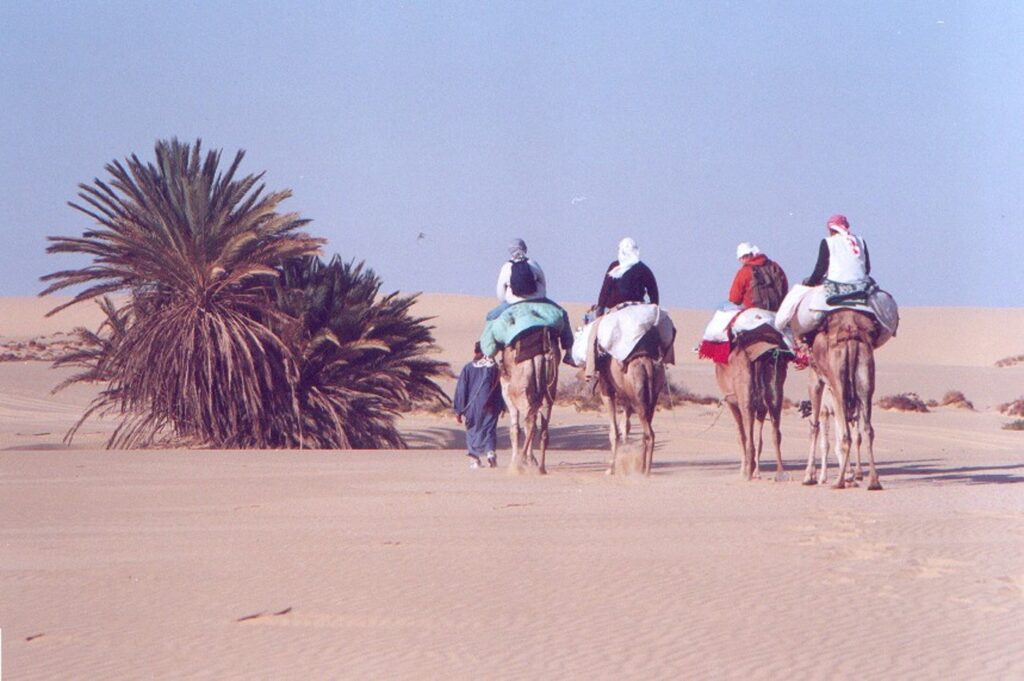
Do you know that you can follow the traces of Alexander the Great on camel in Fayoum?
Fayoum was an important point on the traditional caravan routes between the northern oases of Egypt. The most famous traveler in the Egyptian Western Desert was Alexander the Great. On his way back from Siwa to Memphis, he probably cut across the Nile Valley through Wadi Rayan.
Camels, are an attractive and local alternative to 4×4 cars for traveling in the desert. Even though the traditional camel caravans towards the other oasis of the Western Desert have ceased to exist, camels are still widely used for agricultural purposes.
Within the framework of the Preparatory Phase for Eco-Tourism in Fayoum Project, a family from the village of Qarun in south-western Fayoum has been encouraged to start up its own camel riding business. While the project provided the family with technical assistance in the form of visitor management, tour planning and language training, the camel owners invested in proper riding equipment (saddles). Last but not least, the staff of Wadi Rayan Protected Area introduced the camel owners to the area of Wadi Rayan to make sure that they get to know the area properly and respect the basic management rules of the protected area.
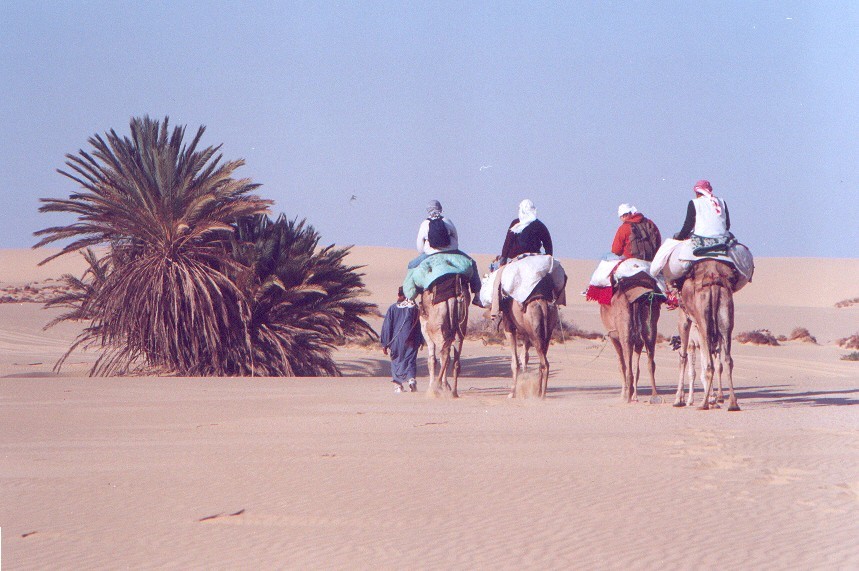
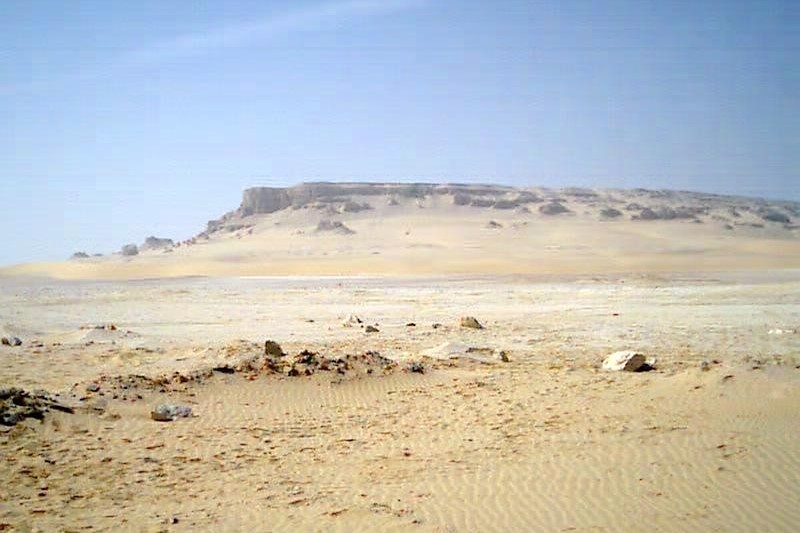

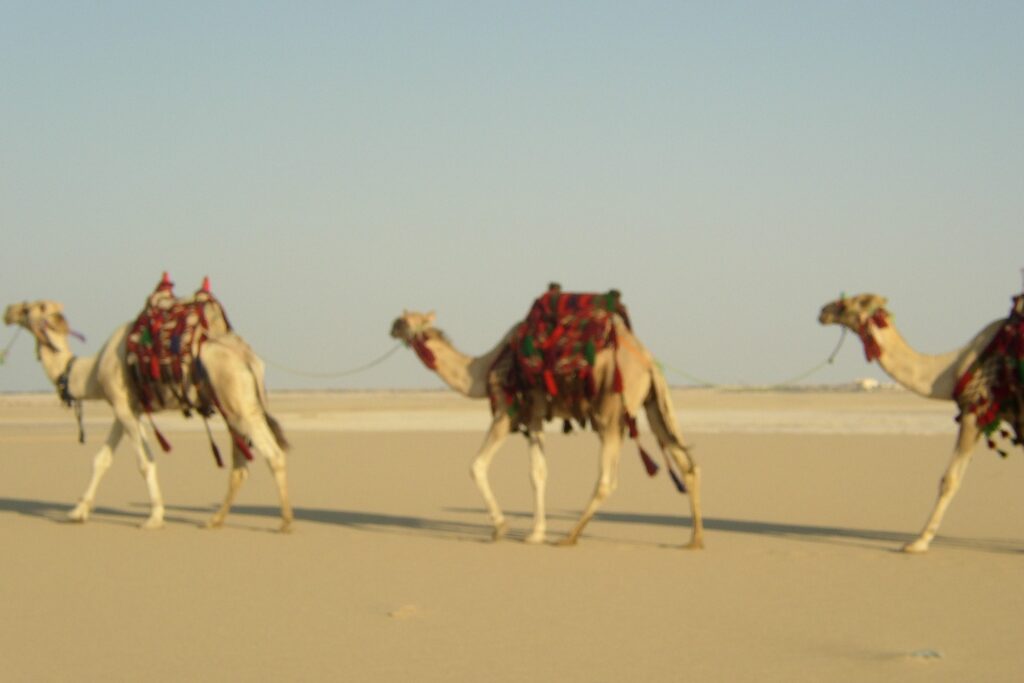
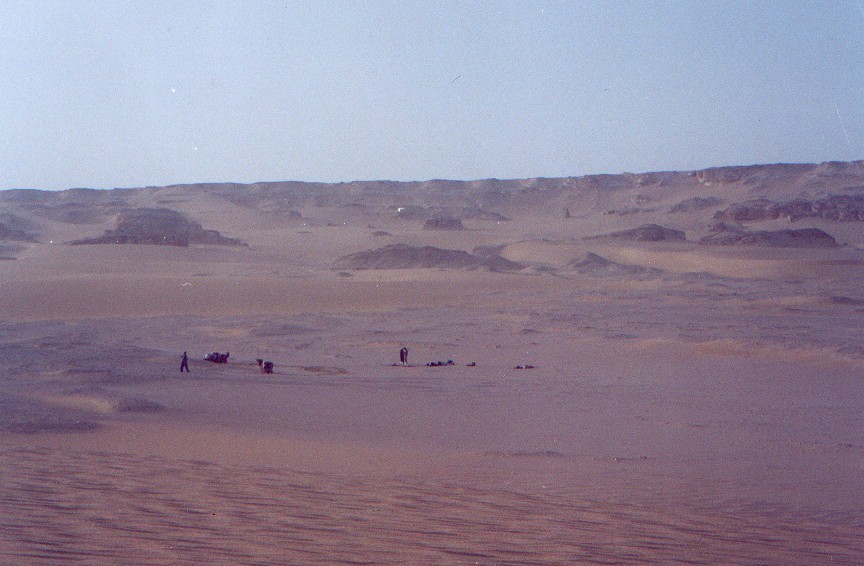

The camels are suitable for various exploration tours that last between 3 hours to 3 days. Visitors can discover the pristine desert and agricultural areas of southwestern Fayoum and of Wadi Rayan Protected Area where they will be able to ride through fields, along dunes, over escarpments and along the shores of the lakes. Short camel tours through the agricultural areas can also be combined with a visit of cultural heritage sites.
Mount the camels (or donkeys) and approach the Ptolemeic temple of Qarun along a road that used to link the Qarun temple with the shores of Lake Qarun, during ancient times. Through beautiful fields, passing small villages, reach the temple of Qasr Qarun.
Let a camel take you to an area of Wadi Rayan that is rarely visited, yet unique in its scenic and naturalistic value far away from beaten tourist track. South of the spring area of lake Rayan, the Wadi Rayan Protected Area is home to specialized fauna, including the near-extinct slender-horned gazelles and a rich variety of desert and wetland birds. The spring area has extended dunes, where a permanent water source is keeping alive lush vegetation.
Or follow instead the traces of Alexander the Great, one of the most famous travelers in the Egyptian Western Desert and discover Wadi Rayan Protected Area on the back of a camel. This tour offers a unique introduction to Wadi Rayan Protected Area and is a good opportunity to learn more about flora and fauna of the desert. You will be able to observe birds, monitor tracks of different mammals and reptiles and may even be able to spot a fox. If the weather allows, you will be able to venture out for a swim in the Wadi Rayan lakes. Mount the camels and ride uphill towards the spring area of Wadi Rayan, home to specialized fauna, including the near-extinct slender-horned gazelles and a rich variety of small mammals. After visiting the spring, cross over the dunes towards the shore of the second Wadi Rayan lake. There, you can go birdwatching, swimming or simply enjoy the peaceful scenery.
Ride along the beach and over dunes towards the fjord area in Wadi Rayan. Leave the lake and move up towards Gebel Meshgiga, one of the landmarks of Wadi Rayan Protected Area. The stunning rock formation of Gebel Meshgiga can be explored on foot.
DESERT HIKING
The Fayoum, a rural area only 90 km from Cairo, has a rich and varied cultural heritage. Beyond its history, the Fayoum has long been distinguished by its natural beauty, which is rare to the settled lands of the Nile Valley and Delta. With its lakes, palm trees, pristine desert areas, fossil remains, bird sanctuaries, and rural quietude, the area has much to offer to visitors.
Visitors to the Fayoum invariably list the spectacular desert of Fayoum as one of the main reasons to come to the area. The combination of stunning landscape and the proximity to Cairo make the Fayoum an attractive destination. All typical desert features of the Western desert can be found around Fayoum including the rocky desert, the sandy desert, and the gravel desert. Two large areas in the Fayoum consisting of lakes, adjacent wetlands and desert – Lake Qarun and Wadi Rayan – have been declared protected due to their geological and paleontological importance and unique biodiversity.
Hiking tours allow visitors to experience nature in an unobtrusive, quiet manner and take participants far away from beaten tourist tracks to a parts of Wadi Rayan Protected Area that are rarely visited, yet unique in their scenic and naturalistic value.
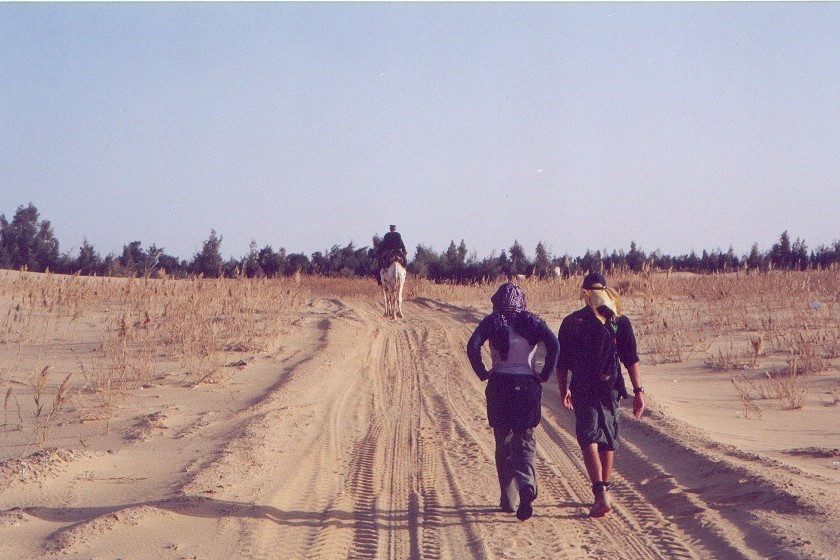
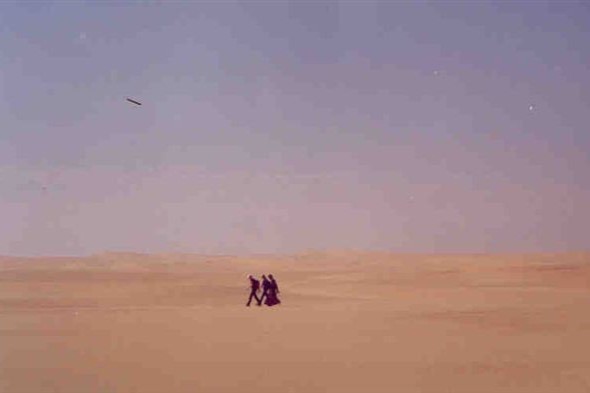
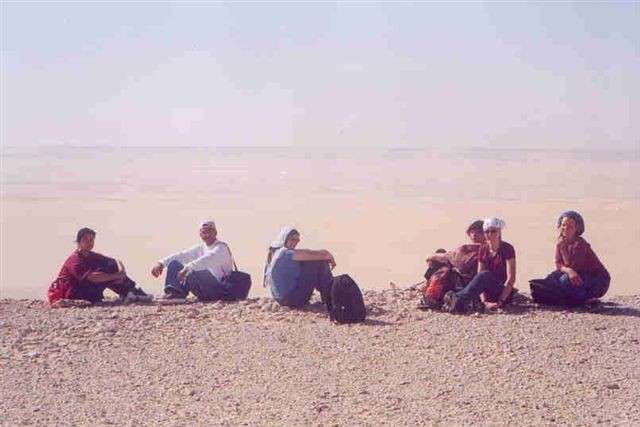
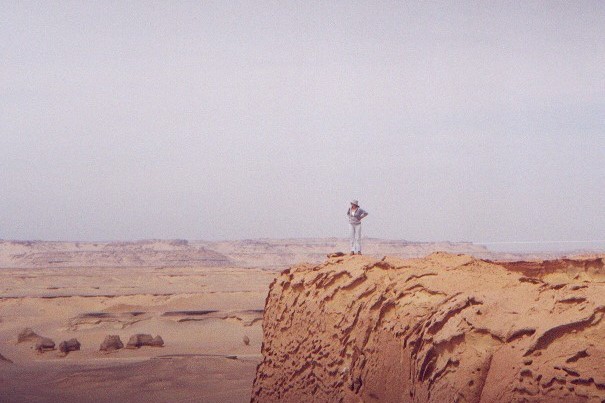

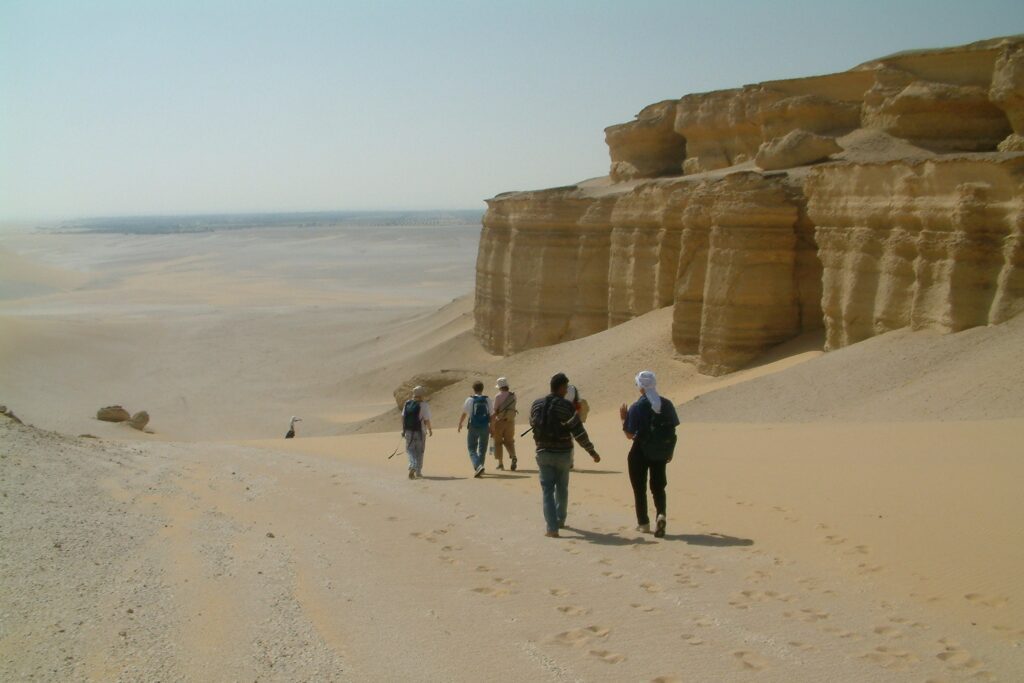
Ensure a minimal impact on the environment and guide yourself by a community guard of the Wadi Rayan Protected Area. Taking a hike close to the lake offers the possibility to swim or visit instead the local monasteries and land reclamation areas. Or hike to the Waterfall Area, the Park Visitor Center and to local handicraft producers.
Do you know that we have 600 km of desert hiking trails in Fayoum?
The spectacular Fayoum desert is one of the main reasons visitors come to Fayoum. The combination of stunning desert landscape and proximity to Cairo makes it an attractive destination. Hiking with a local guide is an excellent way of escaping Cairo. Come explore and experience the desert while learning more about the flora, fauna and history.
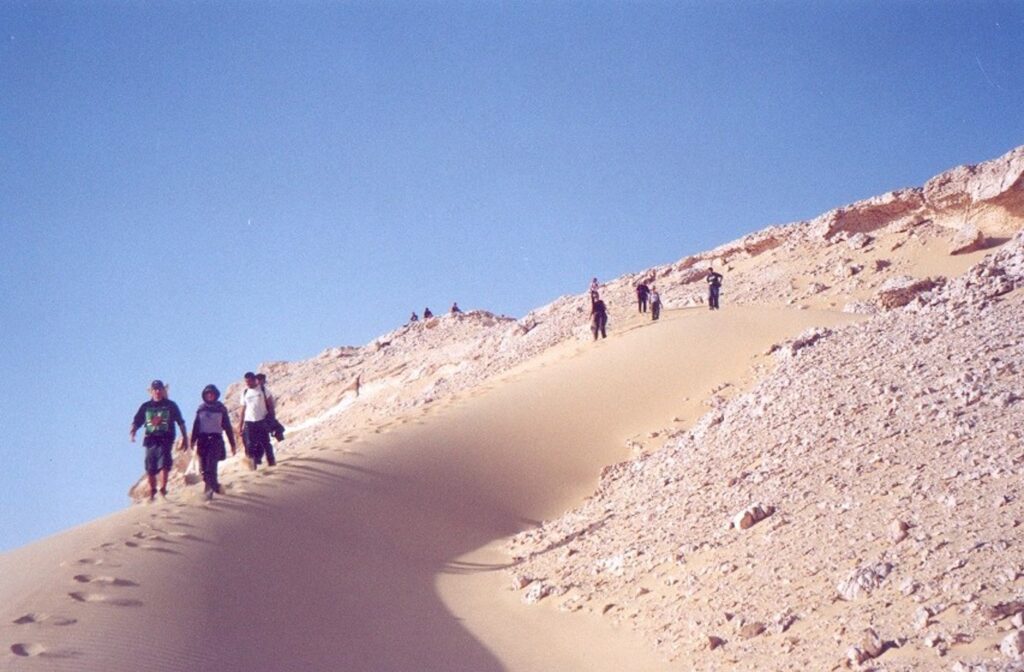
Desert, Lakes, Wetlands, and Land Reclamation
While hiking in a land reclamation area, one gains insight into the flora and fauna of the Wadi Rayan Protected Area. Visitors can learn how barren desert land is transformed into lush farmland. Start the hike at the Mudaware Mountain of Wadi Rayan, one of the most popular viewpoints of the park, which leads over a scenic escarpment that offers a unique view on the Wady Rayan lakes to a small hidden bay, where a clean and sandy beach invites people to swim and rest. After a short walk along dunes the land reclamation area of Saydna Khidr is reached, where one can walk along drainage and irrigation canals and fields before reaching the small cafeteria of the village.
Desert, Spring Area, Desert Monasteries and Protected Area Management
One of the most important natural habitats of Wadi Rayan is represented by the spring area of Wadi Rayan that is nestled between limestone ridges and dune fields of Wadi Rayan, off the main road west of the Lower Lake. It is an excellent example of an uninhabited Saharan oasis that contains four springs supporting the highest diversity of desert plant and animal life in the Protected Area. In the 1970s, Monks from Wadi Natrun came to Wadi Rayan to retake possession of an abandoned monastery located in a rocky hill above the spring area. Today, about twenty monks are living in the monastery. They have adapted to the harsh environment, built rooms and churches in the rocks. Drive to Wadi Rayan Protected Area and arrive at the Protected Area Outpost. Start heading over dunes into the spring area. The walk will lead towards the first and second spring and includes a visit of the monastery and a climb of the monastery mountain.
Wadi Rayan Protected Area to the Amba Samuel Monastery
This is a spectacular walk for experienced and trained hikers that takes participants from the green fiords of the Wadi Rayan lakes through a unique desert scenery consisting of white sand dunes, rocky escarpments with embedded fossils to a remote monastery 35 km south of Wadi Rayan. The hike covers one entire day. The walk is technically not difficult, but rather long and participants must be ready to walk for 6 to 7 hours.
LIVING CRAFTS AND RURAL LIFE
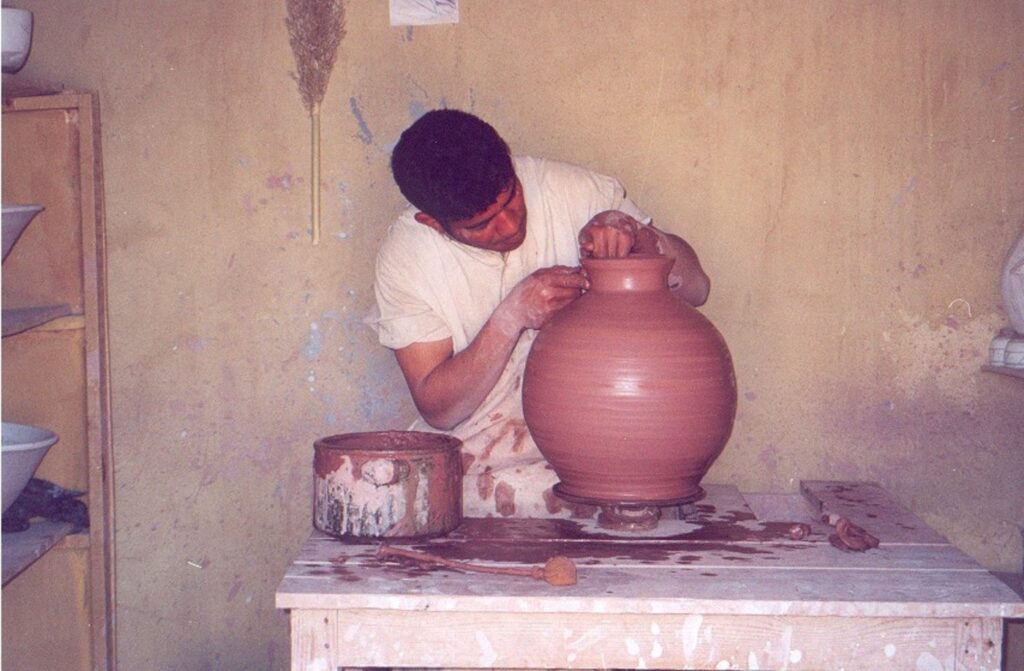
Do you know where to find the famous Fayoumi pottery makers?
Fayoum is the most populated, fertile and productive oasis in the Western Desert. It has a thriving handicraft industry that reflects the ecological diversity and abundance of the region. Visitors can see potters who follow the traditional methods of the ancient Egyptians as well as young artists who have begun to develop modern day artistic pottery reflecting rural scenes.
Being the most populated, fertile and productive oasis in the Western Desert, Fayoum has a thriving handicraft industry that reflects the ecological diversity and abundance of the region.
Baskets, made out of palm fronds in the villages of El-Alaam and Agamiyin, are among the most beautiful of Egypt. They can be found in all sizes and shapes and are produced by women at household level. The villages involved in basketry are currently producing for an increasing regional and national demand.
In Fidimin, a village just north of Al-Siliyin, a local crafts center serves as a training center for local children to become skilled in weaving, tapestry, embroidery or beadwork products and markets their products. The carpets woven by the boys are made of pure wool on cotton warp and come in many different abstract designs. The girls make intricate bead necklaces and produce fine tapestry and embroidery work.
Plain, utilitarian pottery goods are made in several places. But even though pottery making in Fayoum is distinguished by remarkable and unique methods that are following the traditional methods of the ancient Egyptian potters, only few traditional methods have survived until today in the Fayoum and several potter communities are threatened by extinction. Traditional potters in communities belong to the most marginalized and poorest groups of the Fayoum.


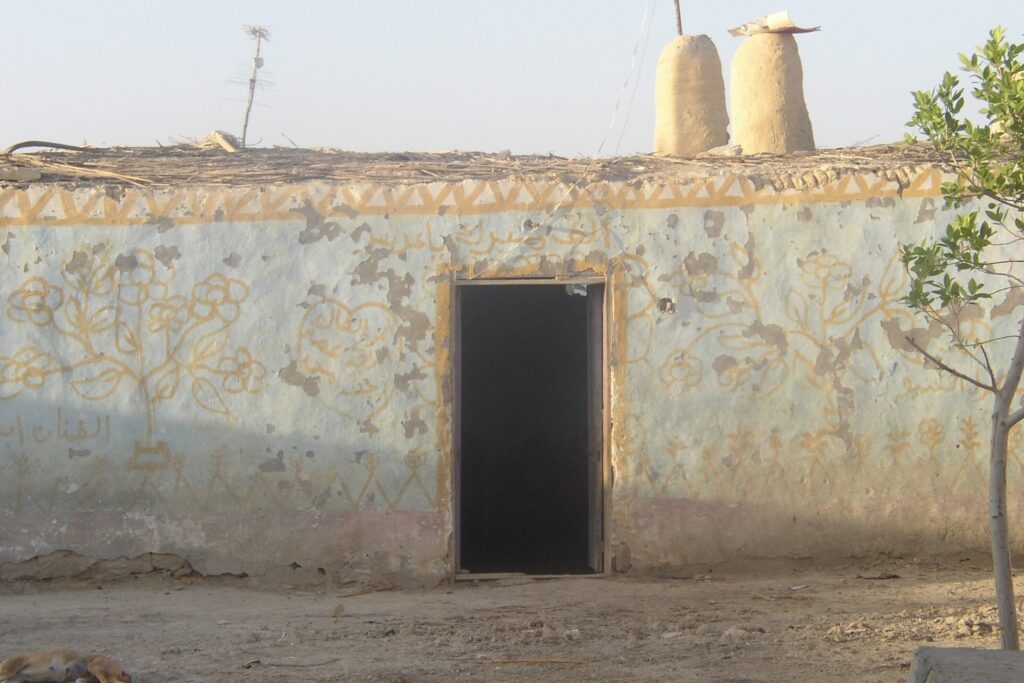

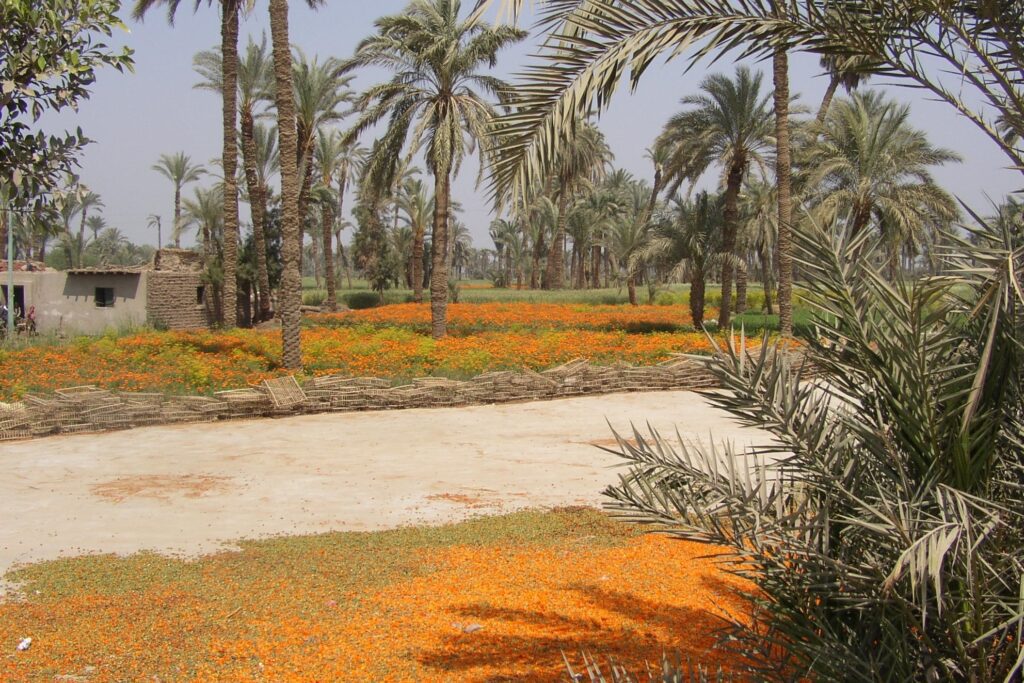
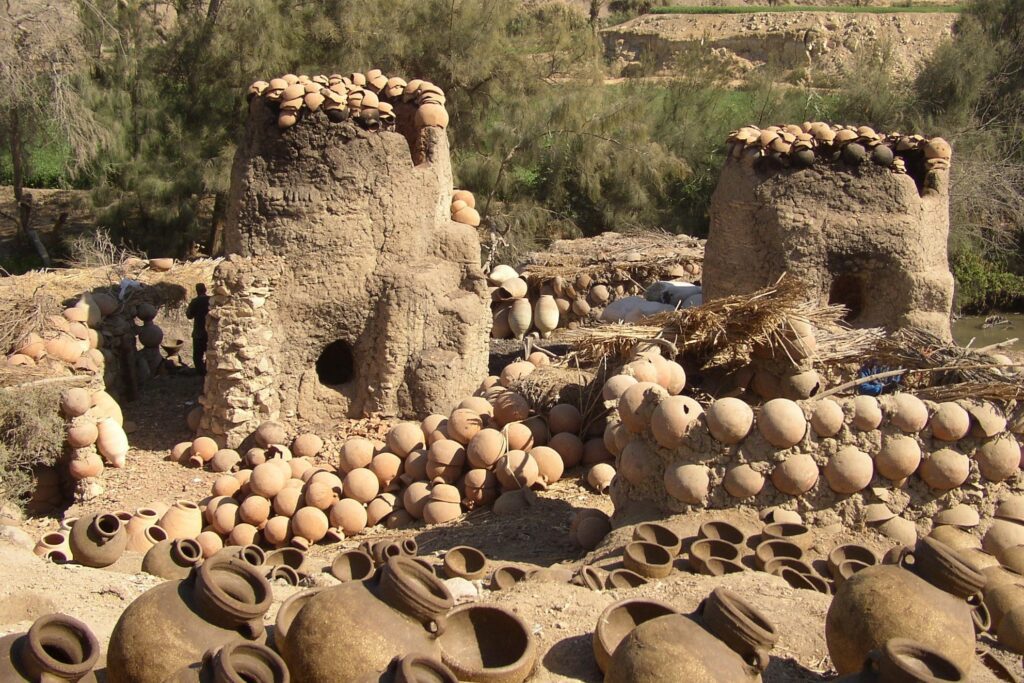
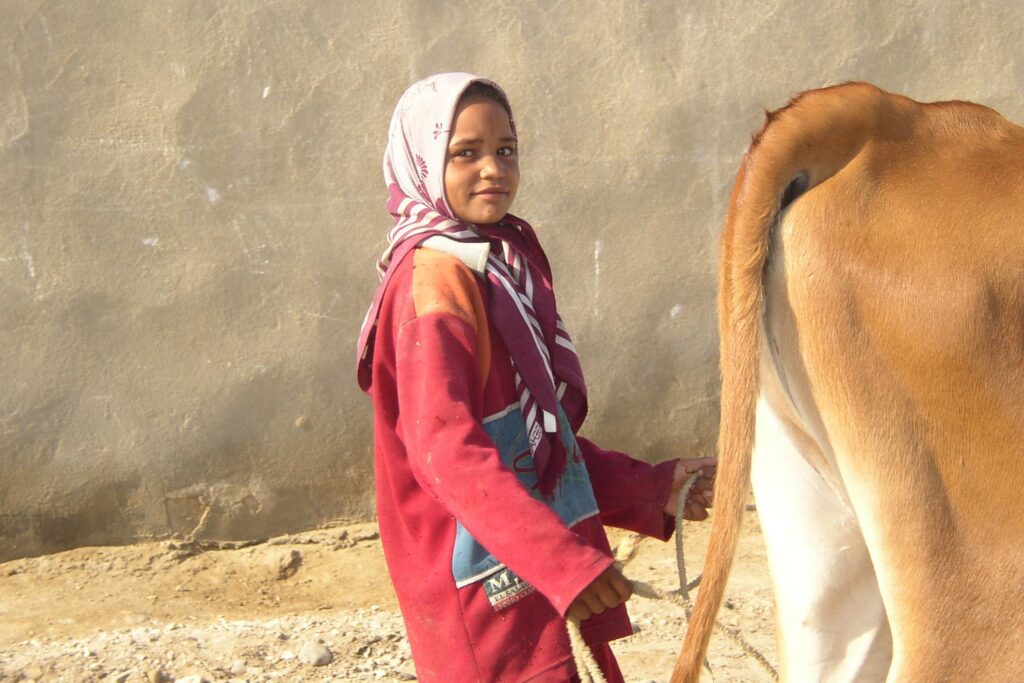


The Fayoum Ecotourism Project has developed a number of flexible itineraries that allow visitors to discover the traditional culture and life of the oasis through the theme of crafts. Pottery has been chosen as a sample craft.
The Potters of Nazla
The picturesque village of Nazla is a pottery paradise. Located about 35 km northwest of Fayoum City along the valley Masraf al-Wadi Canal, the village sits atop a narrow valley; cascading down the slopes are pottery ovens. Pottery is produced in open-air workshops in more then 15 pottery shops.
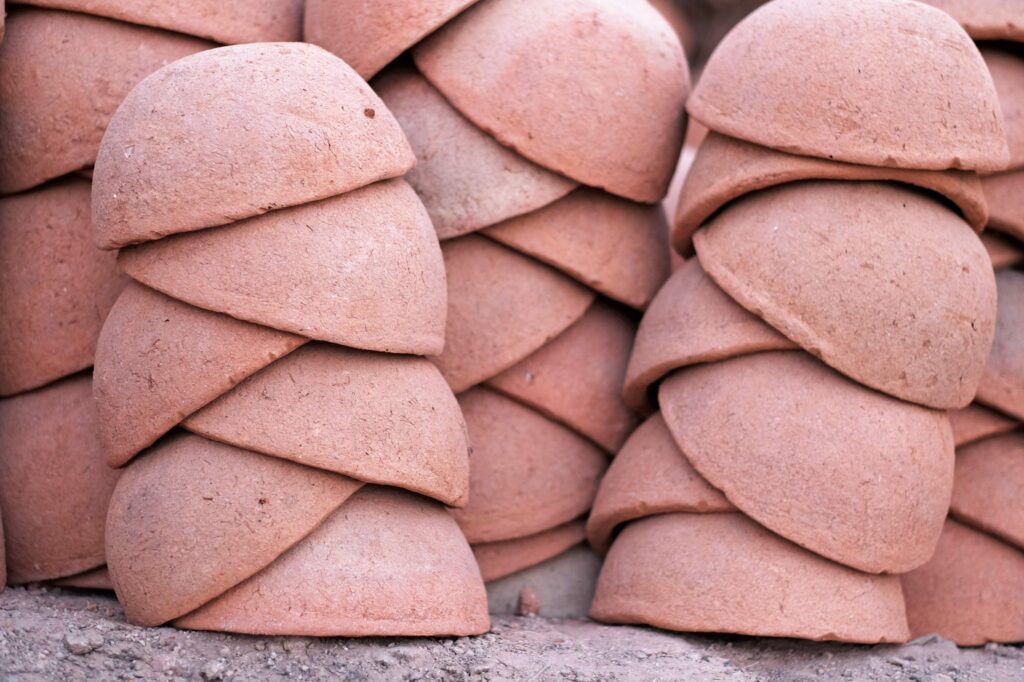
Nazla is famous for its combination of wheel-thrown and hammer-and-anvil technique pottery. Work is carried out according to very old and traditional methods that have not changed much since pharaonic times. Locally available clay is mixed with straw, ash, and grog to make the mud more comfortable and easy to handle during the forming process. The material is then shaped either free hand or with the help of a potter’s wheel into various forms and shapes. Eventually, the pots are dried for two to four days before they are put in a smeller where they are burnt.
Traditionally, the potters of Nazla have produced utilitarian goods for the local and regional market, such as bowls to feed chicken, containers to store water, butter, cheese etc. But with the appearance of cheaply priced plastic and aluminum goods, the local market has decreased dramatically in size and local demand for Nazla pottery is low. 15 years ago, about 150 local families were involved in the production and marketing of pottery. Today however, this number has decreased to 50 approximately. Revenues are low, the profession is socially not highly esteemed and is physically demanding. Alternative employment opportunities in Nazla are limited. A lot of people have shifted from pottery production to the manual and dangerous production of fireworks (bomba al farhat). The last remaining potters of Nazla are struggling to keep themselves and their ancient art alive.
Tunis
Tunis is a small village located on the south-western part of Fayoum, one of the most marginalized areas of the Governorate. The village is mostly populated by farmers that grow olives, onions, corn and bersim. But Tunis is also famous as an artist’s residence. The village is presently home to 5 pottery workshops that produce, sell and market artistic pottery – pottery that is very different from the rough and utilitarian work being produced in Nazla.
It all started in the 1970s when Evelyne Porret, a Swiss artist working with pottery came to live and work in Tunis. After she discovered that the children of the area, while tending their cows and sheep, made toys, such as water buffaloes, donkeys, riders, dolls etc with mud collected in the irrigation canals, she decided to establish a pottery training center for children. Freedom in creativity and respect of natural talents formed the basis of this project.
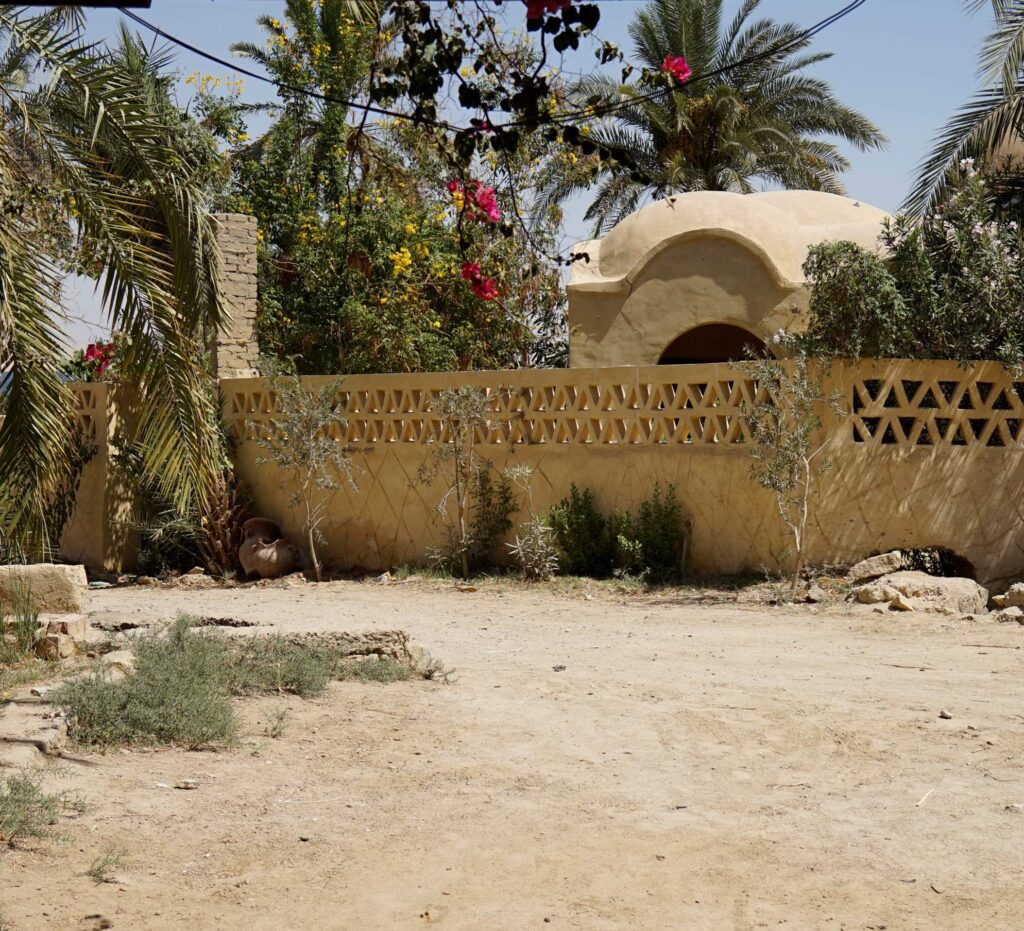
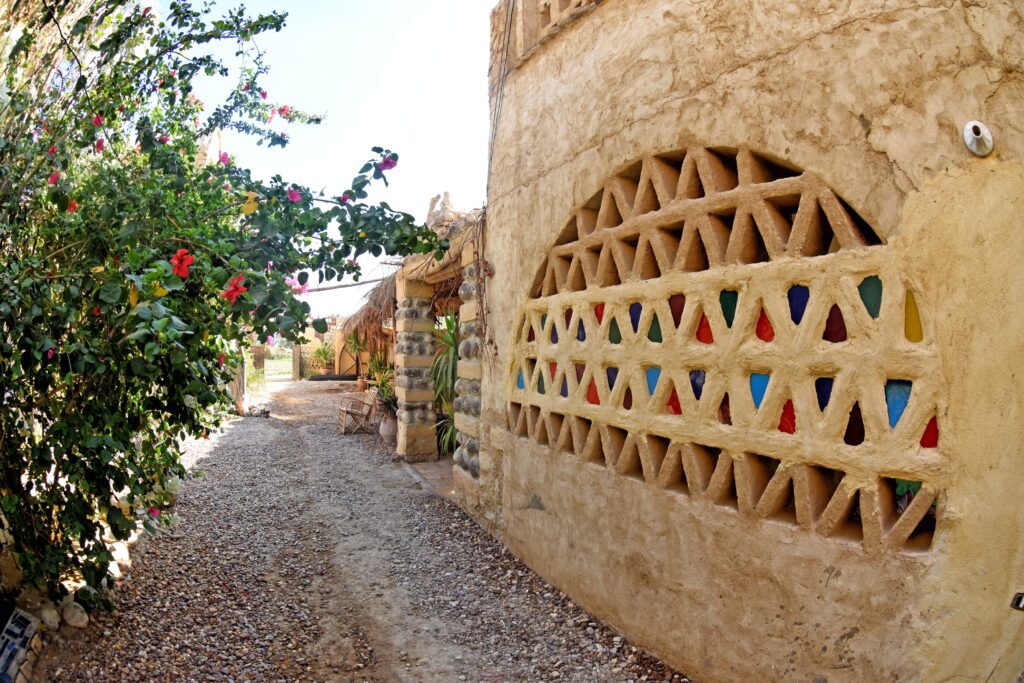
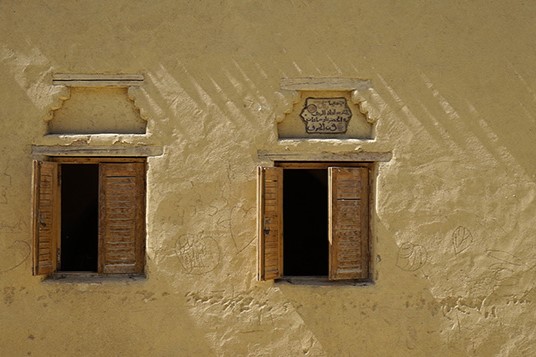
The pottery training center that was eventually established consists today of different buildings that are constructed with mud bricks, vaults and domes. Each student working at the school has a personal working space and a potter wheel. The glazing, firing and exhibition spaces are shared.
The presence of Evelyne Porret attracted during the past 20 years other artists and later on also Cairo residents that were in search of a rural and picturesque week end destination. Today, Tunis is home for more then 14 artists that live permanently or part time in Tunis and hosts 3 different pottery workshops that can be visited. 2 of the workshops are recent start-ups of people that were once students of Evelyne Porret.
Will visitors during their day see more then just pottery workshops?
The main “theme” of the tours that have been developed within the framework of the Fayoum Ecotourism Project is pottery and mud. Mud, clay and earth can be found allover Fayoum. Traditionally, people build their houses out of stones and a mixture of straw and mud, local food storage containers, heaters made out of clay, etc. Yet, the here described tour offers much more. It takes visitors off the beaten tourism tracks in Fayoum through wonderful green areas with lush fruit gardens and fields, and along the shores of Lake Qarun and provides them with a rare insight in rural traditions and life.
The module has been created to allow for flexibility and the integration of different visits. For example:
- A stopover at the historical Hotel Auberge du Fayoum can be used to introduce visitors to the history of the Fayoum.
- A stopover in a small fruit garden in the village of Aboxa will introduce them to the rural life, crop and irrigation system of the oasis.
- A stopover in a traditional farming house can be used to introduce visitors to local social structures and show them how farmers live.
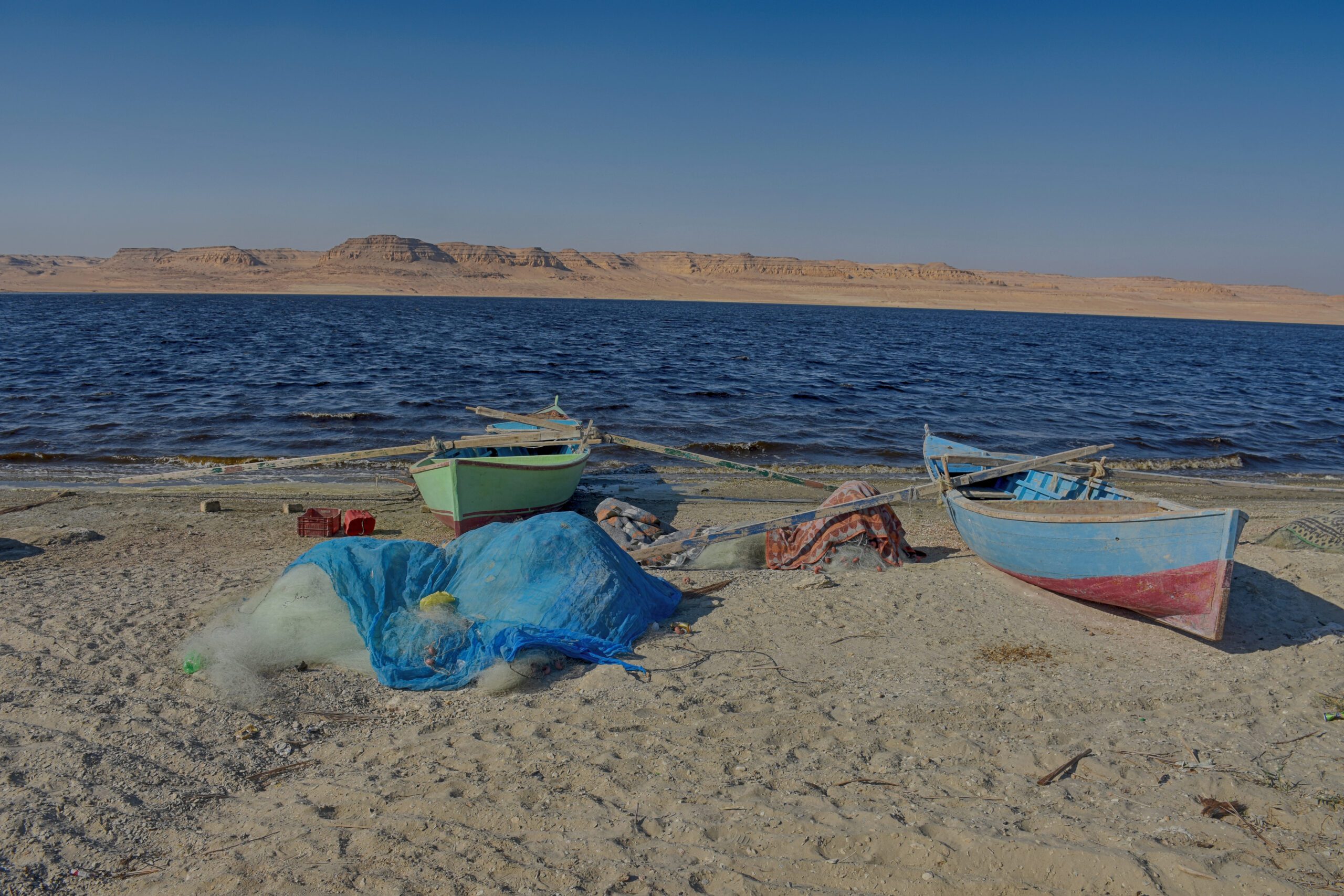
- A stopover along the shores of lake Qarun will give visitors the possibility to get to know some Fishermen, see how boats and fishernets are being constructed locally and learn more about the lakes.
- A stopover at a local olive oil and pickling company or at a fruit market can be used to explain agro economic system of Fayoum.
- A visit of the Ptolemeic temple of Qasr Qarun can be used to explain visitors Fayoum’s ancient history.
- A camel ride through the agricultural area of south-western Fayoum will provide visitors with a special experience. They can observe people working in the fields, seeing women fulfilling their household duties etc. The camel ride can be integrated with a visit of Qasr Qarun.
- A visit to Wadi Rayan Protected Area will offer spectacular desert views, and can be used to introduce visitors to the flora and fauna of the desert. The visit can include a guided tour through the Visitor Center of Wadi Rayan Protected Area and the Waterfall area.
- A visit at the shores of lake Qarun in the late afternoon can be used as a birdwatching stop to introduce visitors to the birds of Fayoum.
Are there any food and beverage services available during the tour?
We recommend you to bring a packed lunch with you. The garden of the Tunis Pottery School with its shaded veranda is a wonderful place to have lunch. The school has simple sanitation facilities and can prepare tea and provide soft drinks. In the Waterfall Area of Wadi Rayan, 2 cafeterias offer fish and meat menus.
WORLD CLASS HERITAGE SITES
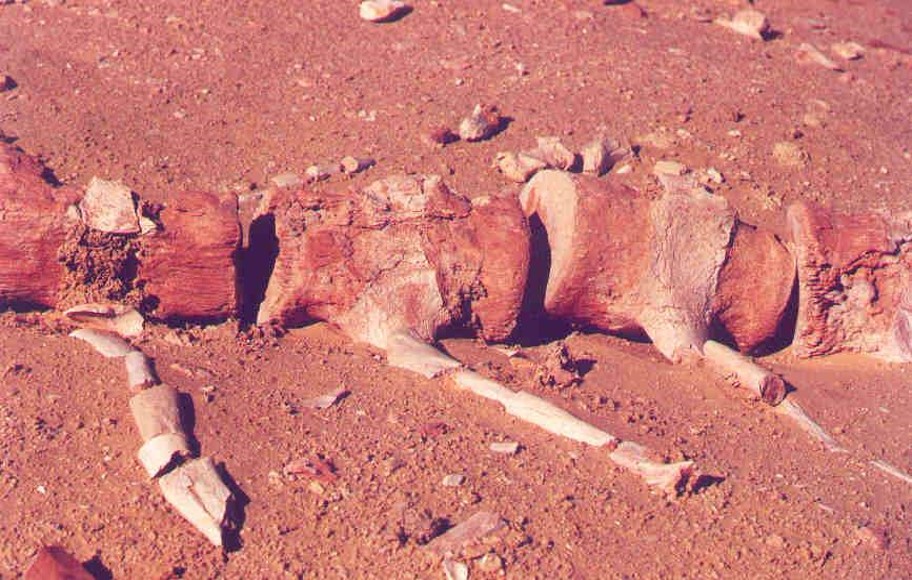
Do you know that you can swim with the whales in Fayoum?
The Greater Fayoum Basin holds a rich heritage of paleontological, archeological and geological exposures. The Whale Valley (Wadi el Hitan) and Gebel Qattrani vertebrate fossil sites are among the most important fossil areas in the world. They are being evaluated as potential UNESCO world heritage sites.
FAYOUM IN THE SPOTLIGHT
Exhibition: Fayoum there and back
To promote Fayoum as a destination for ecotourism, promote local handicrafts and create awareness about Fayoum’s cultural and natural heritage, a two-day exhibition titled “Fayoum there and back” was held in October 2003 in the Swiss Club in Cairo. The event featured ecotourism and tourism service providers, local craftspeople and handicraft producers, folkloric bands and a local singer, a bookstand on Fayoum, and information on Wadi Rayan Protected Area. It hosted also three artistic exhibitions consisting of a photo, a painting exhibition and an art installation. Participating artists were: Wageh Gerorge, Prunella Servatius and Roma Inderbitzin. The exhibition was a novelty for Cairo as it combined handicrafts, information on ecotourism activities and protected areas, art, cultural performances and children’s activities and was well received.

Ecotourism with a Social Dimension (2004-2007)
The Ecotourism for Sustainable Development in the Fayoum Oasis Project is building on the results of the Dutch funded Project “Preparatory Phase for Eco-Tourism in Fayoum”, which was implemented between 2001 and 2004, and laid some of the basic foundations for the development of sustainable, nature and culture-based tourism in Fayoum.
Project: Ecotourism in Fayoum with a Social DimensionThe “Ecotourism with Social Dimension” project aimed at developing the local capabilities both in the public and the private sector. This phase was funded by the Italian Ministry of Foreign Affairs and implemented by NSCE together with the Italian NGO CISS with as national counterpart the Fayoum Tourist Authority.
Fayoum Tourist Information Centre
General Information on Fayoum
Location : 90 km southwest of Cairo.
Description : A fertile depression 70 km wide and 60 km long fed by Nile water through the Bahr Yusuf canal which distributes water along an intricate network of irrigation canals supported by 200 wooden waterwheels.
Biodiversity : Lake Qarun – a salty lake, 2 man-made lakes in Wadi El Rayan, desert, canyons, waterfalls, natural springs, sand dunes, flora and fauna.
Designated Protected Areas : Lake Qarun (1985) and Wadi El Rayan (1985).
Archeological Sites : Medinet Madi, Karanis, Kom Umm al Atl, Qasr Qarun, Dimeh, Umm al-Burigat, Hawara pyramid, al-Lahun pyramid, Meidum pyramid
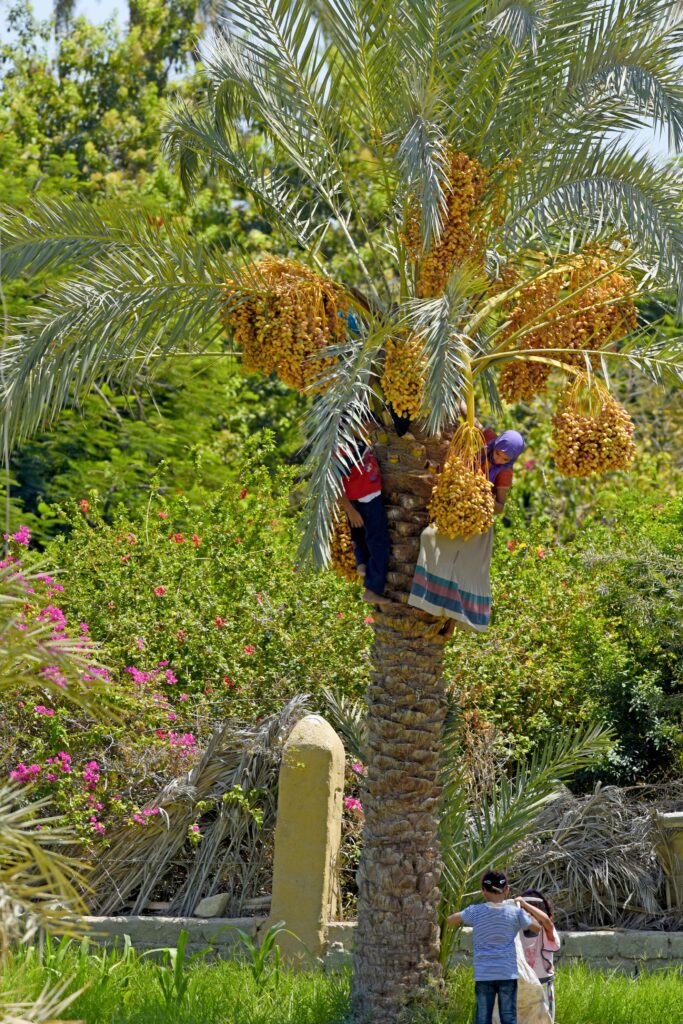
Agriculture : Wheat, corn, cotton, cabbage, onions, olives and tomatoes, plus a wide variety of fruit trees including dates and mangos.
Fishing : Mullet, sole, catfish, Nile perch, catfish.
Flora : Acacia, date palms, reeds, bulrush, tamarisk, salt trees around Wadi El Rayan
Handicrafts : Terracotta pottery, glazed pottery, palm-frond basketry, olive-oil soap, palm wood furniture.
Fayoum Tourist Information Centre
Where is the Tourist Information Centre located?
The Centre is conveniently located on the main road, in front of Lake Qarun, 150 m before the Auberge du Lac hotel.
What are the times of opening?
09:00 AM to 08:00 PM daily throughout the year.
What is the role of the Tourist Information Centre?
The Centre has been set up by the Fayoum Tourism Authority to provide a free information service to visitors, local residents and tour operators visiting the governorate. Visitors can pass by the Centre or phone before arriving to obtain details on tourist attractions and places of interest for sightseeing, contact local guides or book transportation within Fayoum.
What information can I find in the Tourist Information Centre?
The Centre offers a comprehensive database providing information on local hotels, restaurants, Protected Areas, historical sites, craft suppliers, local guides and other tourist and leisure facilities in Fayoum. The Centre is equipped with a computer, telephone and displays a wide selection of brochures, pamphlets, leaflets and maps on the different sites and monuments in Fayoum. Toilet facilities are also available at the Centre.
Which languages are spoken by the Tourist Information staff?
English, French, German and Arabic
Ecotourism has become the fastest growing segment of the tourism industry worldwide. The heavy burden of repetitive mass tourism in many holiday destinations worldwide has had a devastating effect on the environment. In so many areas, the prized attractions that once lured and mesmerized the traveler are being damaged, destroyed and abandoned.
Whilst travelers will never stop searching for new, out-of-the-way, untouched and adventurous destinations to visit, preventive measures have to be taken to stop unnecessary destruction of a country’s natural and cultural heritage. Responsibility rests on the travelers, tour operators, host country and all tourism service providers to ensure that tourism has a positive benefit on a destination and its inhabitants.
What are the benefits of ecotourism?
New niche markets in nature travel, culture and heritage tours and adventure trips are becoming popular around the world. Too often such tours are wrongly promoted under the ecotourism label and do not reflect the basic ‘eco’ principles.
Ecotourism
promotes respect for the natural environment and supports the conservation of sensitive natural areas, which often form the backdrop for outdoor activities and recreation.
preserves the cultures and traditions of the local people restoring pride and dignity to their heritage.
encourages close encounters between the traveler and the local community and creates an interesting interchange of ideas and better understanding of social habits.
improves the social and economic livelihood of the local people by opening up opportunities in tourist activities in which individuals develop new skills and training.
presents new possibilities to set up locally operated businesses or outlets to sell handmade crafts or food produce.
To care we must understand, to understand we must know, and to know we must have met.
Why is Fayoum an ideal ecotourism destination?
Fayoum combines unique ecosystems, picturesque rural villages, cultural attractions, historical monuments and warm Fayoumi hospitality – all the right components for ecotourism. Ecotourism is responsible travel to natural areas, which conserves the natural and cultural environment, improves the welfare of the local people and creates respect between visitors and the host country.
How can ecotourism benefit Fayoum?
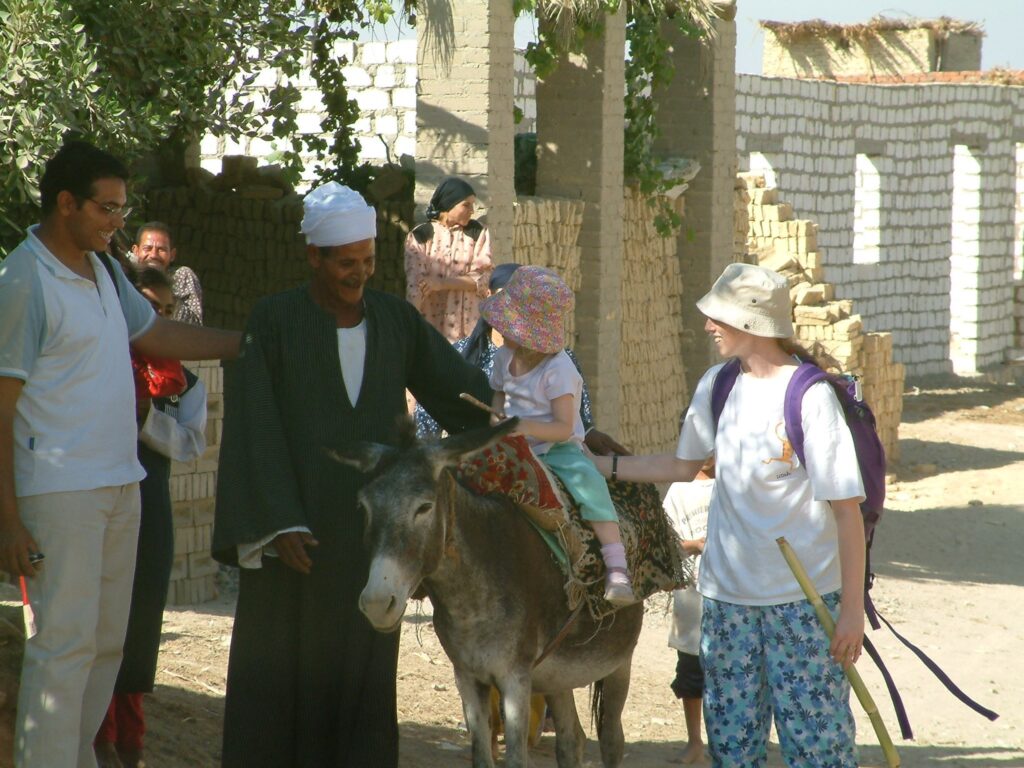
In Fayoum, the livelihood of local communities is being improved by helping people to get involved in ecotourism activities such as desert hiking, camel trekking, bird watching, donkey riding, fishermen boat trips, traditional craft making and food and lodging services.
What does Fayoum offer the ecotourist?
- Peace and quiet and fresh air – the perfect place in which to relax.
- Rural landscapes and glimpses into traditional life.
- Wadi El Rayan Protected Area with 2 man-made lakes, waterfalls and a Visitors Centre.
- Wadi El Hitan, an important open-air whale fossil museum.
- Pharaonic, Graeco-Roman and Coptic archeological sites and monuments.
- Displays of Fayoumi artifacts and Fayoum Portraits at the Kom Oshim museum.
- Beautiful scenic spots and picnic areas around Lake Qarun Protected Area.
- Camel trekking through soft yellow dunes and wadis.
- Hiking for casual walkers and experienced hikers.
- Fishermen’s boat trips on Lake Qarun.
- Donkey rides along shaded country lanes.
- Educational visits to farmer’s fruit and vegetable gardens.
- Variety of birding habitats for ornithologists and bird lovers.
- Visits to Nazla pottery village where terracotta pots are fired in towering kilns.
- Visits to glaze pottery workshops in the picturesque village of Tunis.
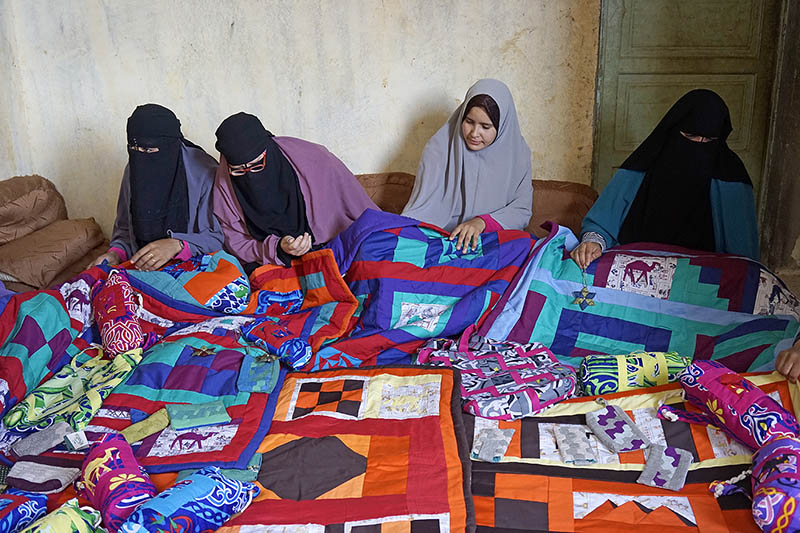
- Colourful array of handmade palm leaf baskets, rustic wooden furniture, olive-oil soaps, straw floor matting and woven carpets.
- Comfortable 4-star hotels overlooking Lake Qarun.
- Pleasant economy hotels in downtown Fayoum.
- Family-run guesthouse in Tunis village serving tasty Fayoumi home cooking.
- Safari camp overlooking Wadi El Rayan lake.
FAYOUM IN A SNAPSHOT
The Sound of Silence
The spectacular Fayoum desert is one of the great attractions for visitors who appreciate nature and want to escape to silent open spaces to gain an inner peace. You can explore the desert on foot, by camel or jeep. Plodding along at a leisurely pace, camels are a suitable means of transport to explore the unspoilt, pristine desert, sand dunes, canyons, agricultural areas and lakeshores of Fayoum. Hiking in Fayoum allows visitors to have a closer encounter with nature and reach the most remote places in the narrow wadis. Other areas of the desert can only be reached by jeep. Whether you choose to sit atop a camel and be swayed along by its rhythmic stride or hike to the summit of an escarpment, rest assured that the views will always be spectacular and memorable.
Fayoum a tapestry embroidered by nature
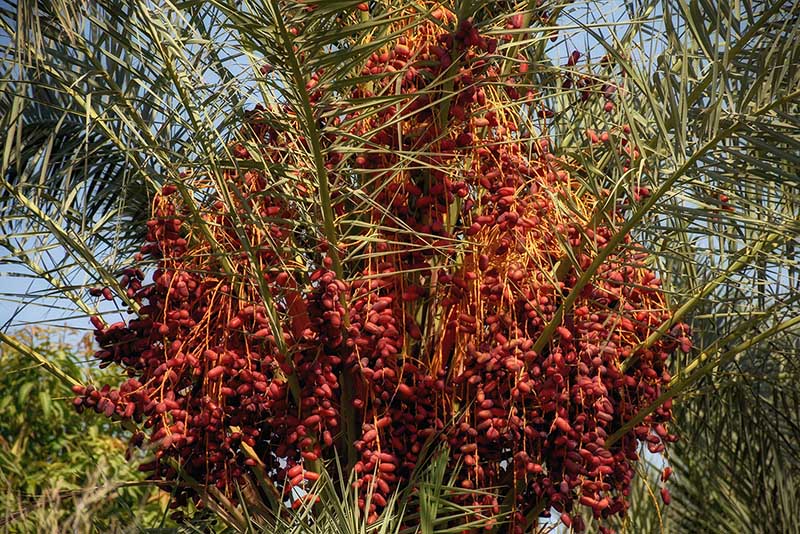
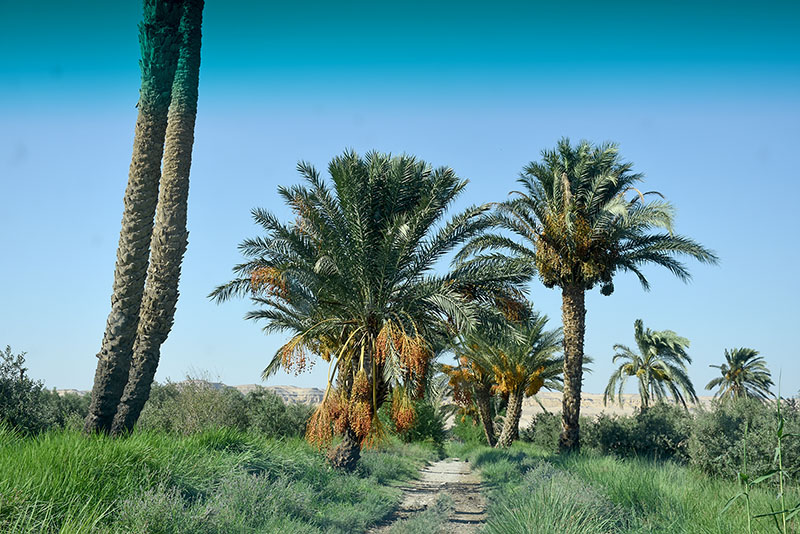
Over the centuries, Fayoum, a fertile agricultural area 90km from Cairo, has preserved its natural pastoral beauty and the local population still engages in traditional lifestyles. Resembling an oasis, Fayoum is a living canvas of rural scenes depicting images of farmers tilling the soil using age-old methods; of brightly-dressed children herding sheep and goats along the tranquil country lanes and buffalo resting contentedly under palm-frond shelters. Fayoum provides picturesque snapshots of silvery olive trees shimmering in the sunlight; golden sunflowers nodding towards the sun; drooping clusters of tender red and yellow dates; bales of hand-picked fluffy cotton balls; water birds wallowing in the cool lakes and churning wooden waterwheels, the emblem of the Fayoum Governorate.
Birds of a feather flock together
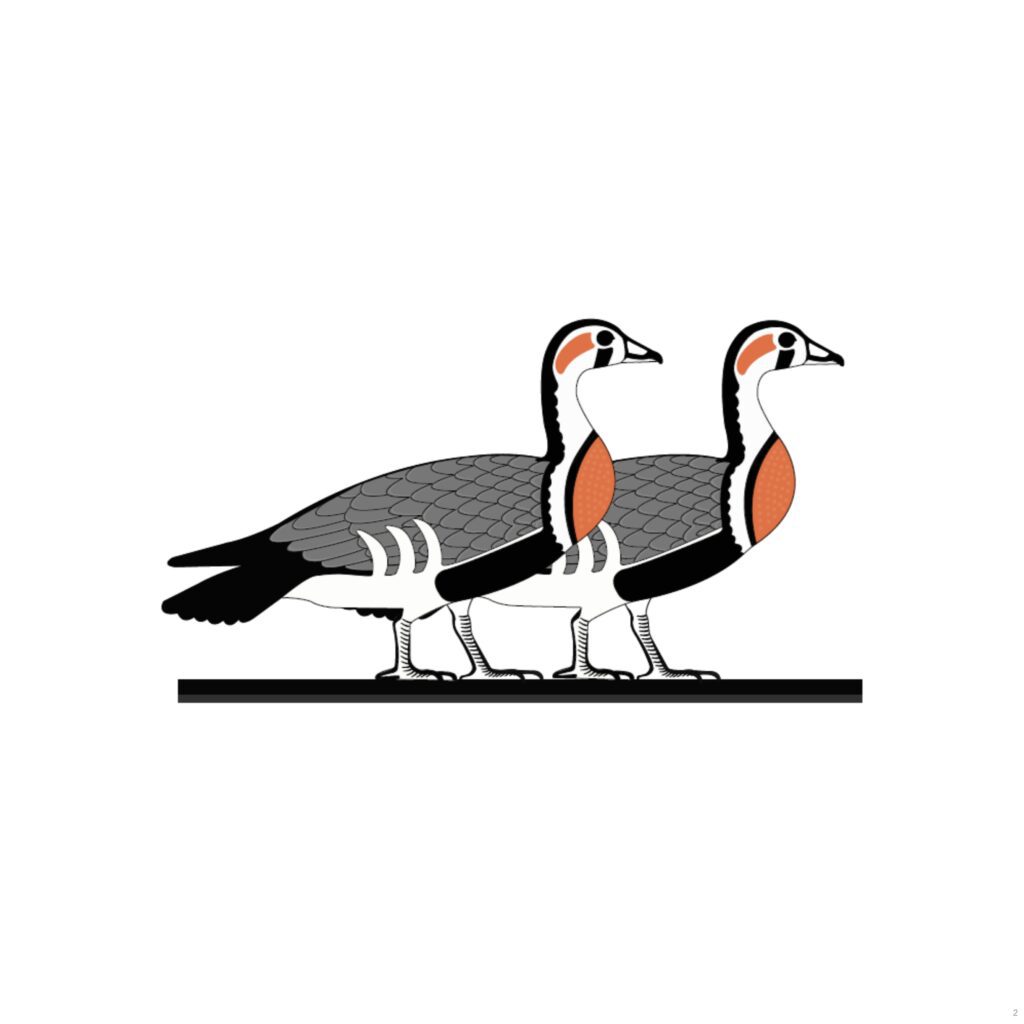
Birds have held a special significance for Egyptians since pharaonic times. The walls of many pharaonic temples and tombs depict a variety of scenes of birds, ducks and fowl. Well-known are the famous geese found on a wall painting in Meidun temple. Egypt lies on a major migratory route for hundreds of millions of birds passing through the country on their long journey from the cold climate of Europe and Western Asia to the warmer regions of Africa. Fayoum provides suitable habitats for local and migratory birds that include: cattle egrets, herons, ibis, Senegal coucals, hoopoes, graceful warblers, greater flamingos, purple gallinules, kingfishers and barbary falcons to name but a few. Lake Qarun and the Wadi El Rayan lakes have been listed as Important Bird Area (IBAs) by BirdLife International.