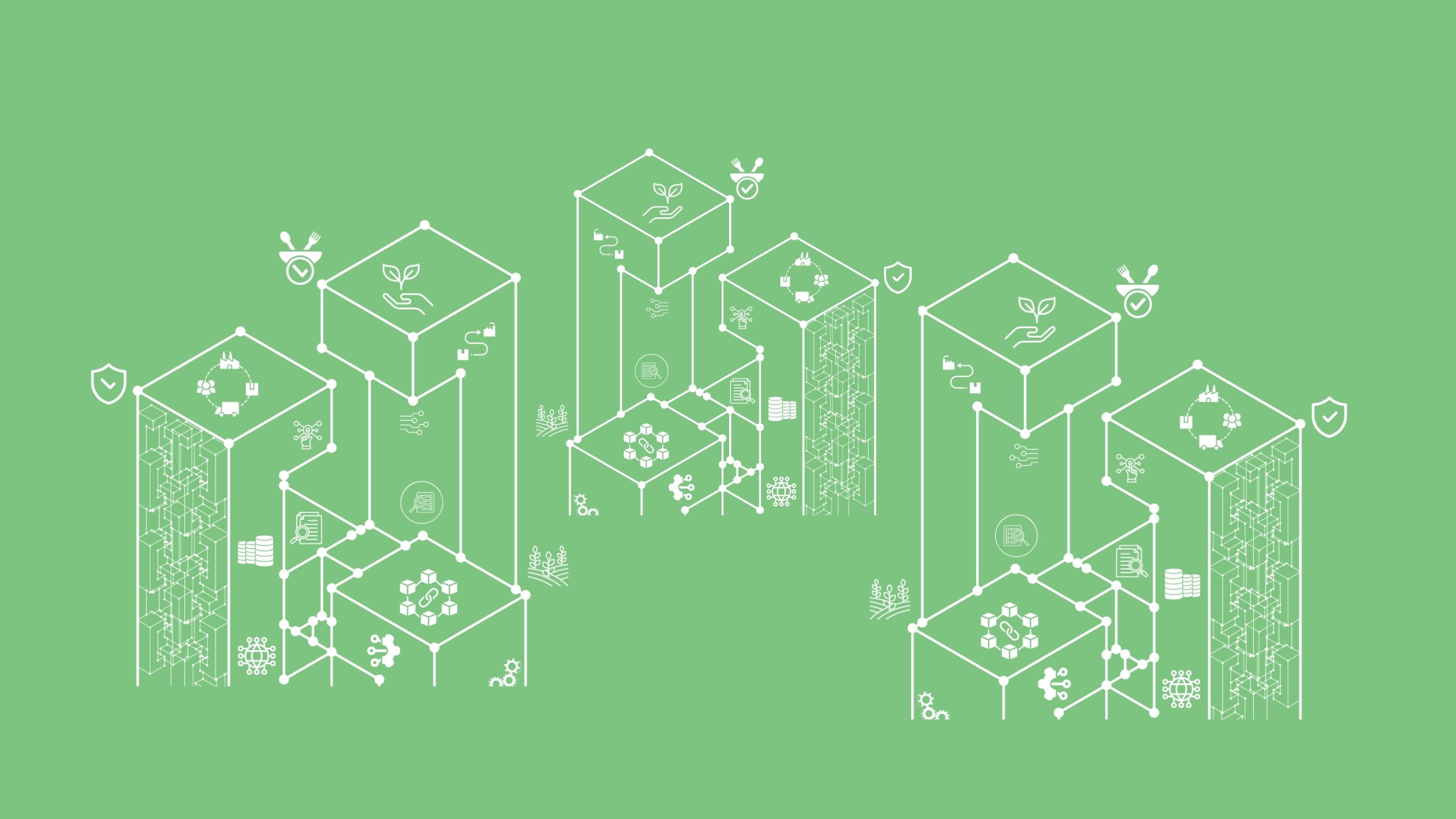
Blockchain promises transparency and sustainability, but high costs, regulatory uncertainty, and data quality concerns are slowing down its adoption. For instance, high set-up and maintenance costs holding back stakeholders, ambiguous regulations creating hesitation among technology adopters are examples of challenges that call for collaborative solution to unlock blockchain its full potential. North South Consultants Exchange (NSCE) therefore explores blockchain in Egypt’s agri-food sector in the context of the project “TRUSTyFOOD: Stakeholders-driven pathways for blockchain implementation in agri-food sector”.
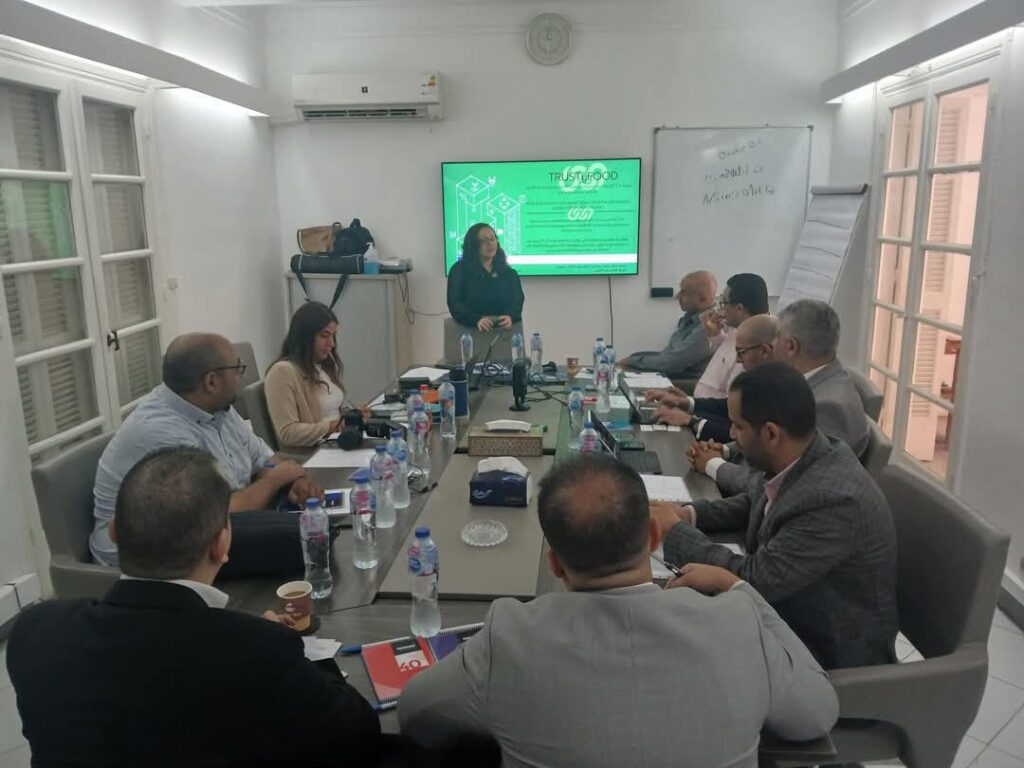
Project: TRUSTyFOODIn July 2023, NSCE held a Local Focus Group (LFG) with key stakeholders from Egypt’s agri-food system to gather insights and feedback on Blockchain Technology (BCT). This included regulators, agricultural players, exporters, and experts. The LFG’s aim was to discuss blockchain’s current use and potential in the sector in Egypt. The discussion was built around validating findings from previous EU workshops by focusing on national perspectives, exploring benefits, challenges, and barriers specific to the local context. Particular attention was given to contextual conditions that would affect the development and uptake of this technology.
See also: TRUSTyFOOD NewsletterInsights from these discussions will be synthesised with those resulting from the parallel LFGs held by the other members. A collection of the most salient barriers and drivers, both globally and domestically, will be presented and publicly disseminated by the EU after the project concludes. Participants also shared their firsthand experience with novel agri-tech practices, networked, and shared valuable experiences that could inform future business decisions. To date the project identified key barriers such as high costs, regulatory uncertainty, and data quality concerns. A set of drivers was identified as well including providing trustworthy information, aiding regulatory compliance as well as facilitating fair pricing and sustainable practices.
The project strives to develop a more nuanced and effective strategy for blockchain implementation across diverse regions and contribute to improve the agri-food system, while addressing any potential barriers to its adoption. These collaborative efforts aim to bridg the gap between the theoretical benefits of blockchain and its practical implementation.
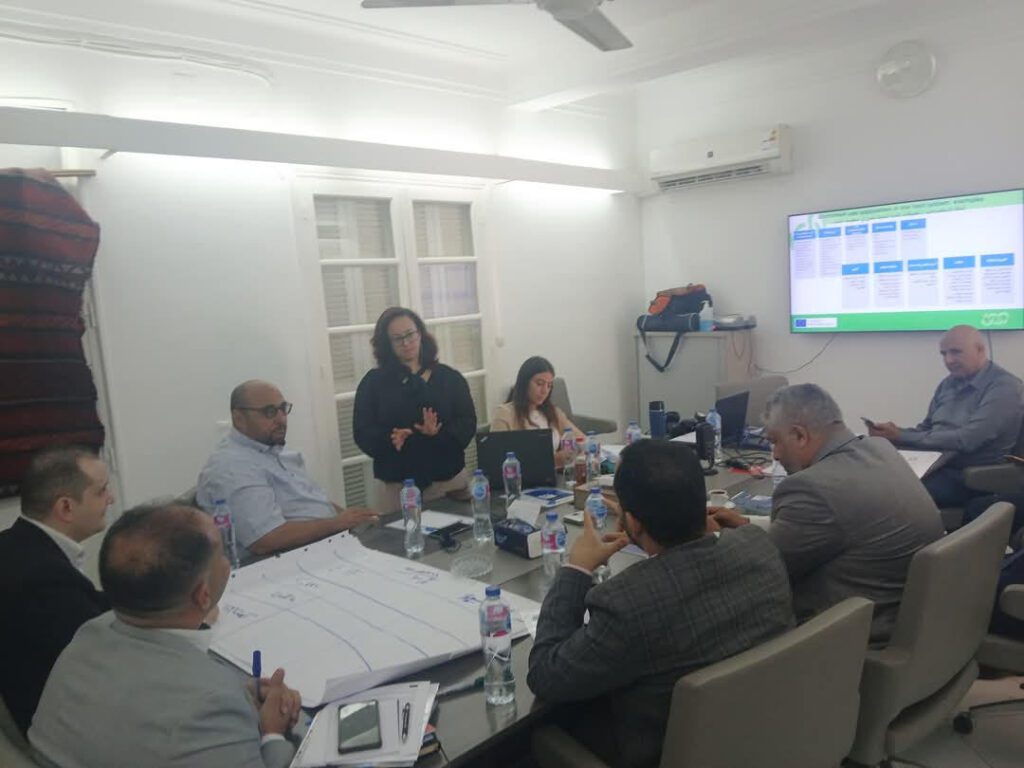
Through this workshop, participants got a chance to be exposed to novel insights on agri-tech practices from various organisations as well as to a network to cultivate social and business relationships and exchange experiences and understandings along the supply chain that could be useful in business development.