
Empower Female Farmers to implement initiatives to improve women’s livelihoods at the household level
Description
NDWM 2 implements activities in three subsectors:
- water supply and wastewater management,
- irrigated agriculture, and
- water resource and irrigation.
Its overarching goal is to enhance the framework conditions for the effective allocation, supply, and utilization of water in Egypt, following up on phase 1 (NDWM I).
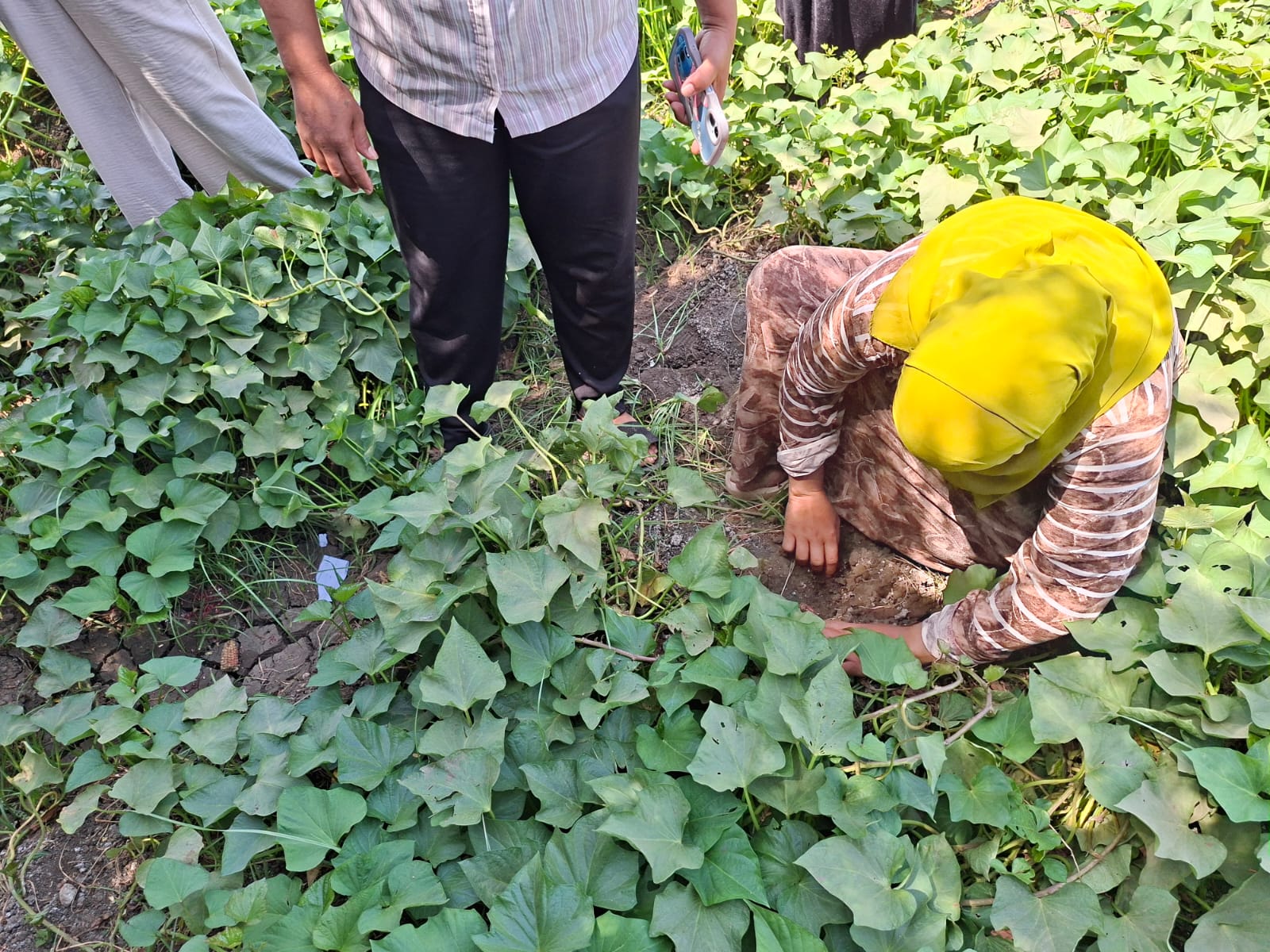
Project: Nile Delta Water Management Programme (NDWM) IThe overall objective of this Assignment within the subsector of irrigated agriculture is to enhance the technical knowledge, practical skills, and economic resilience of selected female farmer groups (8-12 women per group, total 160 groups, 40 groups per governorate, 1,600 women) through the introduction and adoption of proven, economically viable production techniques. The focus is on promoting modern production methods that utilize less water and smaller land areas, while simultaneously contributing to household food security and income generation. This initiative aims to empower female farmers to implement sustainable production practices that are both environmentally efficient and economically productive. Through targeted training and capacity-building, the consultancy ensures that these groups are well-equipped to apply the new techniques within their activities. The assignment incorporates integrated skill development in key areas such as business planning, marketing, water saving techniques, and understanding the feasibility of project development and management.
Services
- Needs Assessment and Community Engagement: Situation analysis and Stakeholder Map on rural development and agricultural extension services; beneficiary selection criteria development for 7-10 women initiatives; economic initiatives assessment (i.e. micro-scale revenue generating water-saving and food security-enhancing project models); economic feasibility analysis; matchmaking and ranking initiatives with women groups; On-site household capacity assessments on livelihood models; and primary data collection (exchange meetings, interviews, FGDs, field survey, field visits)
- Technical planning: technical designs; procurement; training material development for ToT; development of user-friendly training module and awareness raising materials
- Initiatives: barley germination units, hydroponic systems, quail mini-farms (poultry), mushroom cultivation units, food processing, dairy processing, azolla & duckweed
- Capacity Building & ToT (80 participants/multipliers (50% extension officers and 50% key community actors) for women trainings; 4 rounds of training, each round of 5 days)
- Topics: technical system overviews, assembly/disassembly, usage, maintenance, feasibility analysis, marketing, business model development, and adult learning principles
- Hands-On Women Groups Training (1,600 women; 2-day structured training sessions)
- Topics: installation, operation, routine maintenance, and production management of the selected systems (e.g., hydroponics, mushroom units, etc.), basic marketing strategies, local market access, and business model development
- Cross-Cutting: water-use efficiency, food safety, and environmentally sustainable practices
- Delivery and Installation of Systems at Household or Community Level: detailed delivery and installation schedule; transport and equipment delivery; Install system installments; system testing; basic orientation session; technical support
- Monitoring the impact and economic return